 Welcoming Baby
Preparing Your Dog for a New Baby: A Week-by-Week Plan
Bringing a newborn home reshapes your dog’s routine, noise level, and the space it used to own.
All guides grouped by the family situation they solve. Can't find it? Use the search above.
Preparing your dog or cat for a newborn and the transition after you bring the baby home.
Welcoming Baby
Bringing a newborn home reshapes your dog’s routine, noise level, and the space it used to own.
 Welcoming Baby
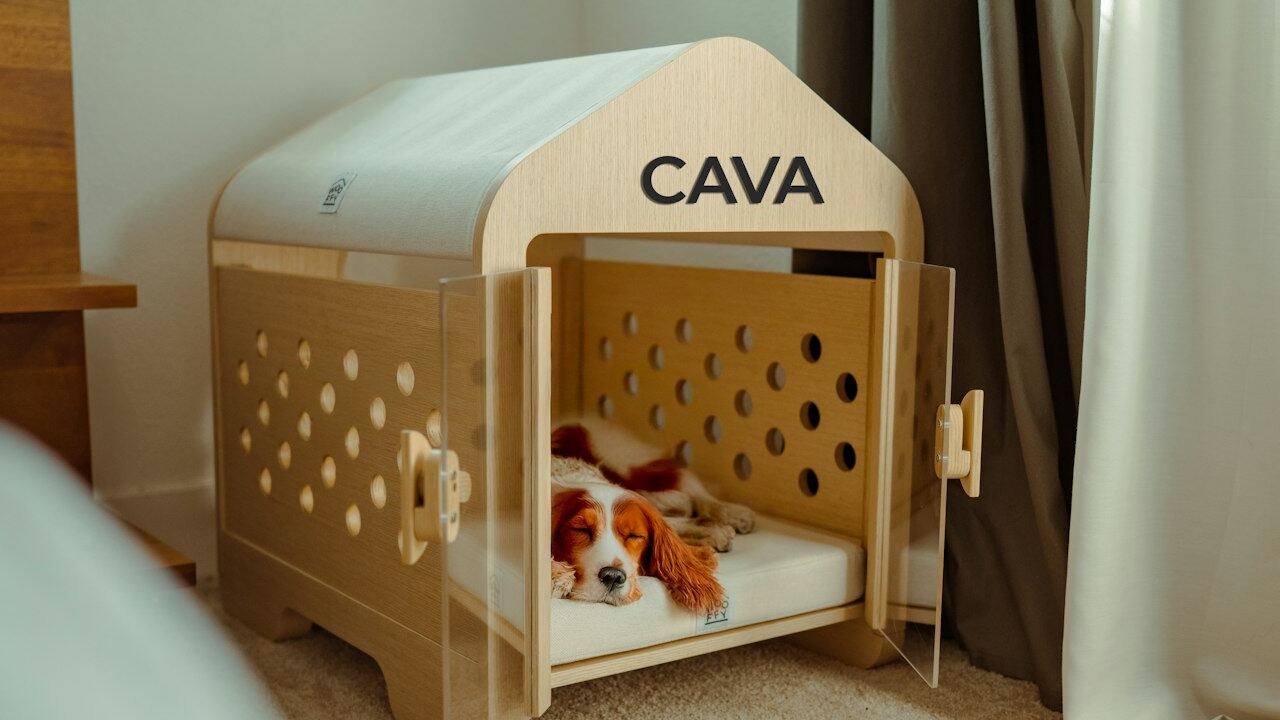
Cats respond to change through scent, routine, and safe space, and preparation means helping the cat feel secure rather than forcing contact with the baby.
 Welcoming Baby
The first meetings between a pet and newborn should be calm, short, and adult-controlled, for dogs and cats alike.
 Welcoming Baby
After a baby arrives, some pets seek attention, cling, act restless, or seem displaced.
 Welcoming Baby
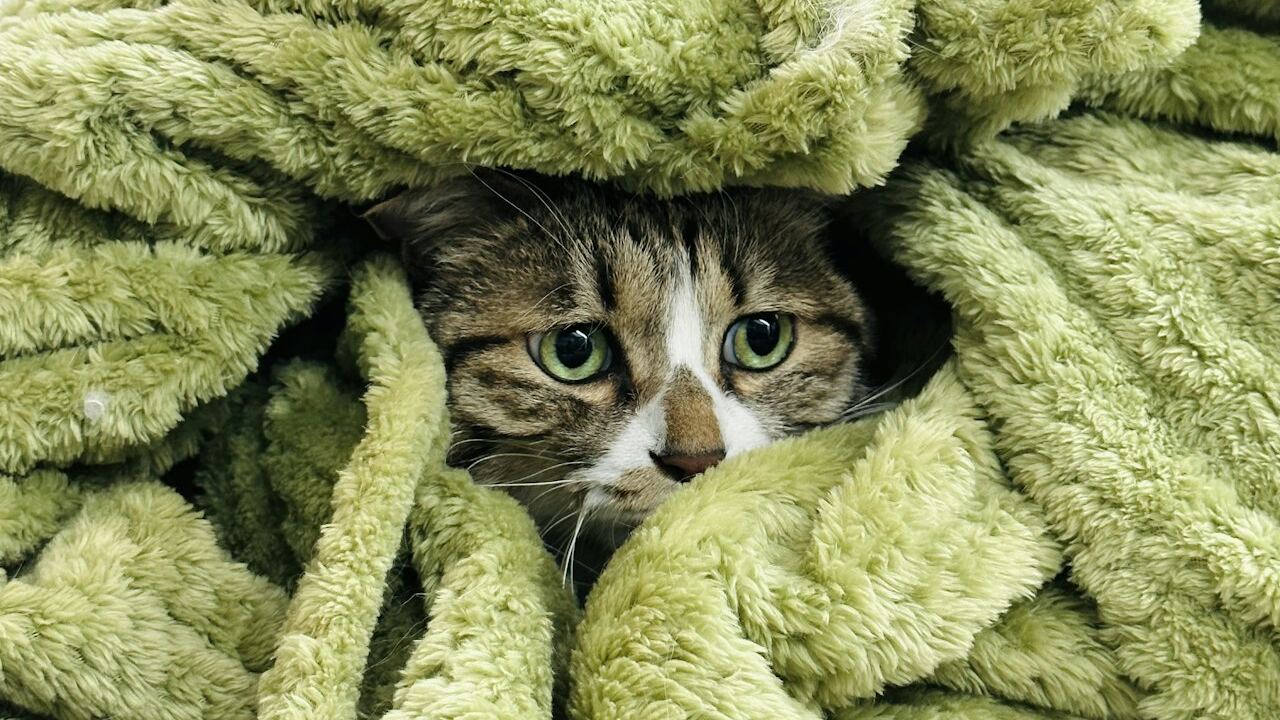
A newborn's demands can crowd out the walks, meals, and quiet time a pet relies on, but staying connected protects the animal's calm and the family's bond.
 Welcoming Baby
A new baby changes the household again, and a pet who settled the first time may still show stress, displaced behavior, or tension.
 Welcoming Baby
The nursery is the baby's protected sleep and care zone, and the setup must keep the pet out of the crib, bassinet, and sleep area while still letting the animal feel part of the home.
 Welcoming Baby
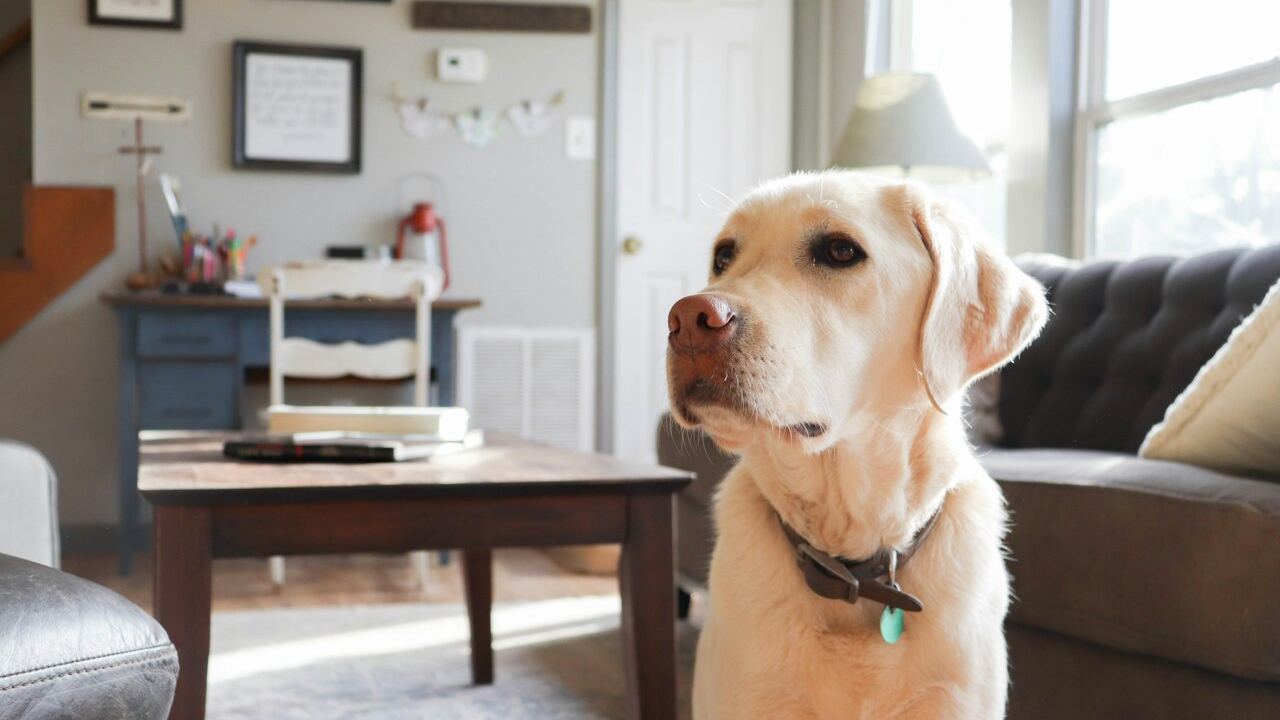
Labor, hospital time, and the first hours home need a plan for the pet so it stays calm, safe, and out of the way while the family focuses on the birth.
 Welcoming Baby
Deciding whether to add a dog or cat before a baby is a choice about lifestyle, budget, space, and long-term care.
 Welcoming Baby
Some dog breeds are known for calm, tolerant temperaments around children, but breed is only a starting point: individual personality, training, and socialization matter most.
 Welcoming Baby
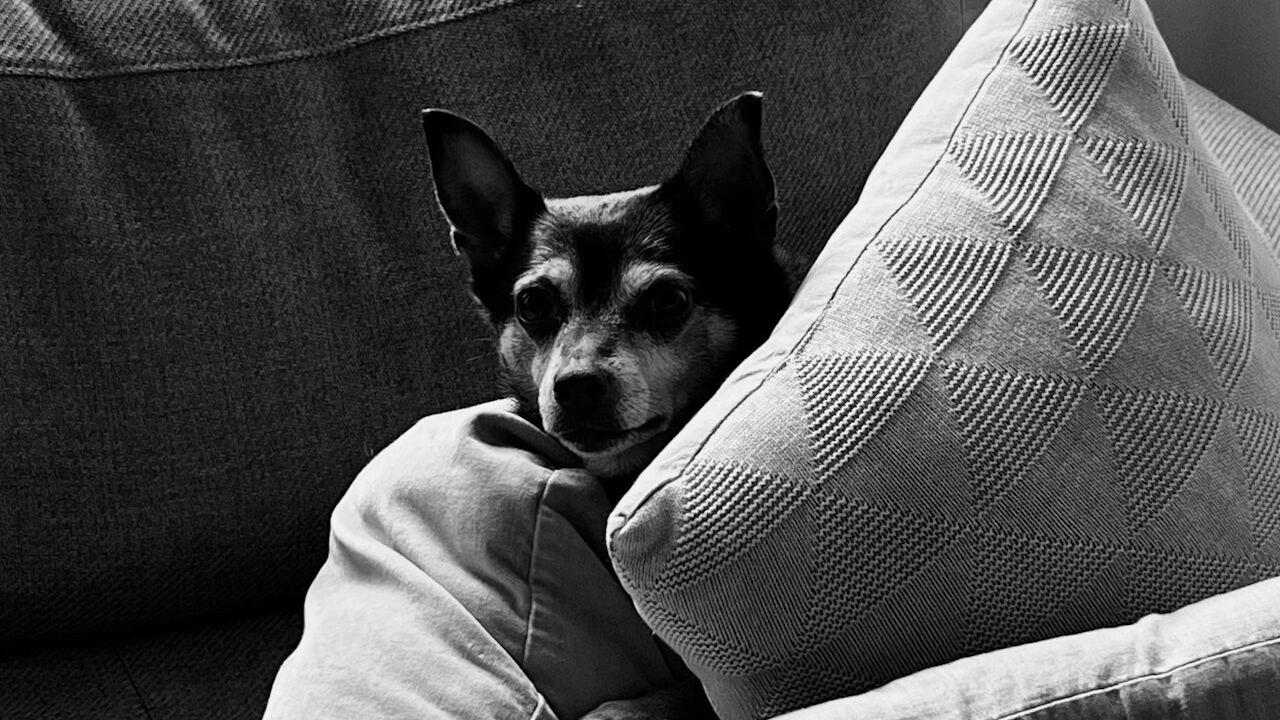
Some cat breeds are known for relaxed, sociable temperaments around children, but individual personality and past handling matter more than the breed label.
 Welcoming Baby
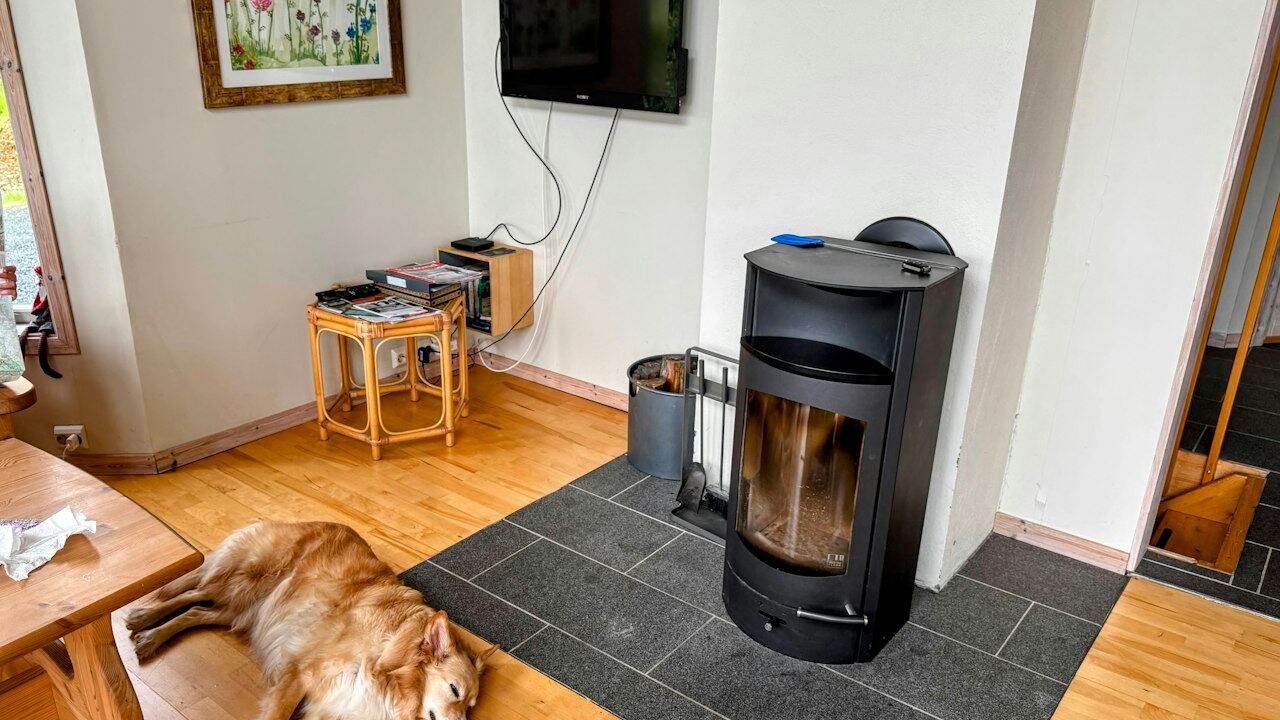
Before a newborn comes home, look honestly at how your dog or cat currently behaves around children, noise, and handling.
 Welcoming Baby
The months during pregnancy are the right time to steady the pet's routine, set boundaries, and fix any behavior gaps before the newborn arrives.
 Welcoming Baby
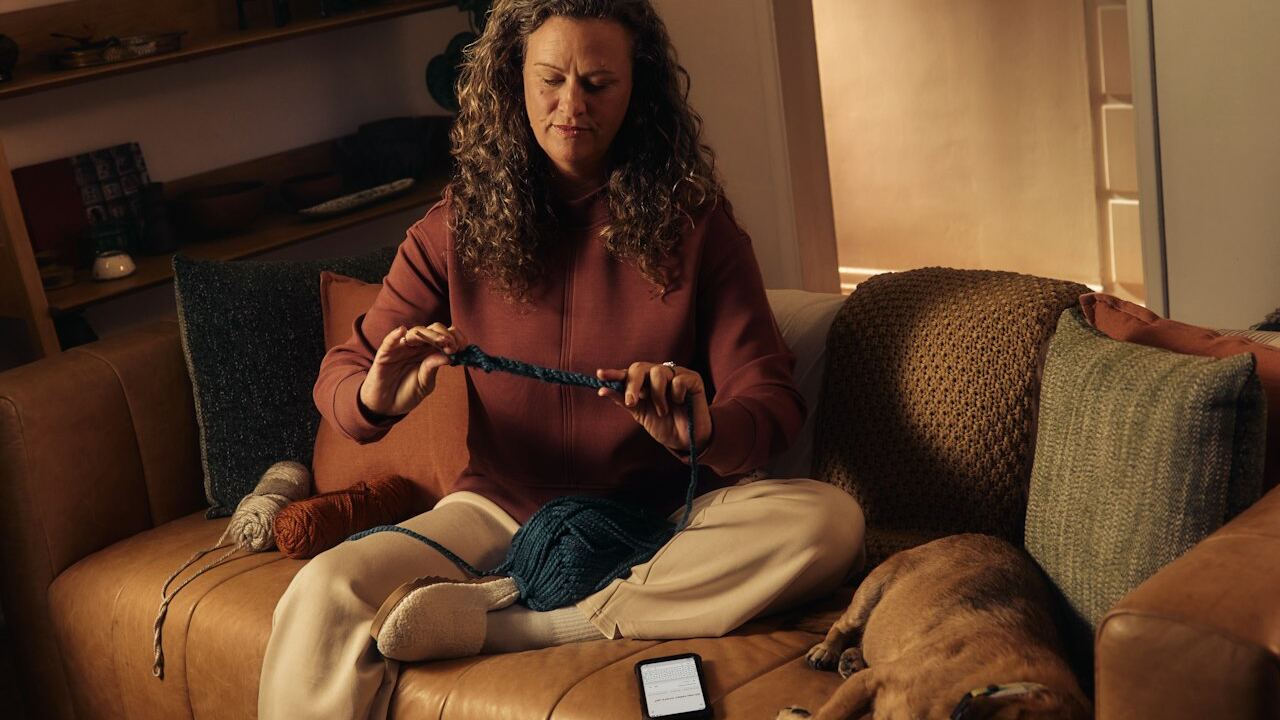
Pets read the home through smell and sound, so getting a dog or cat used to baby scents and noises before the newborn arrives helps the first meeting feel less startling.
 Welcoming Baby
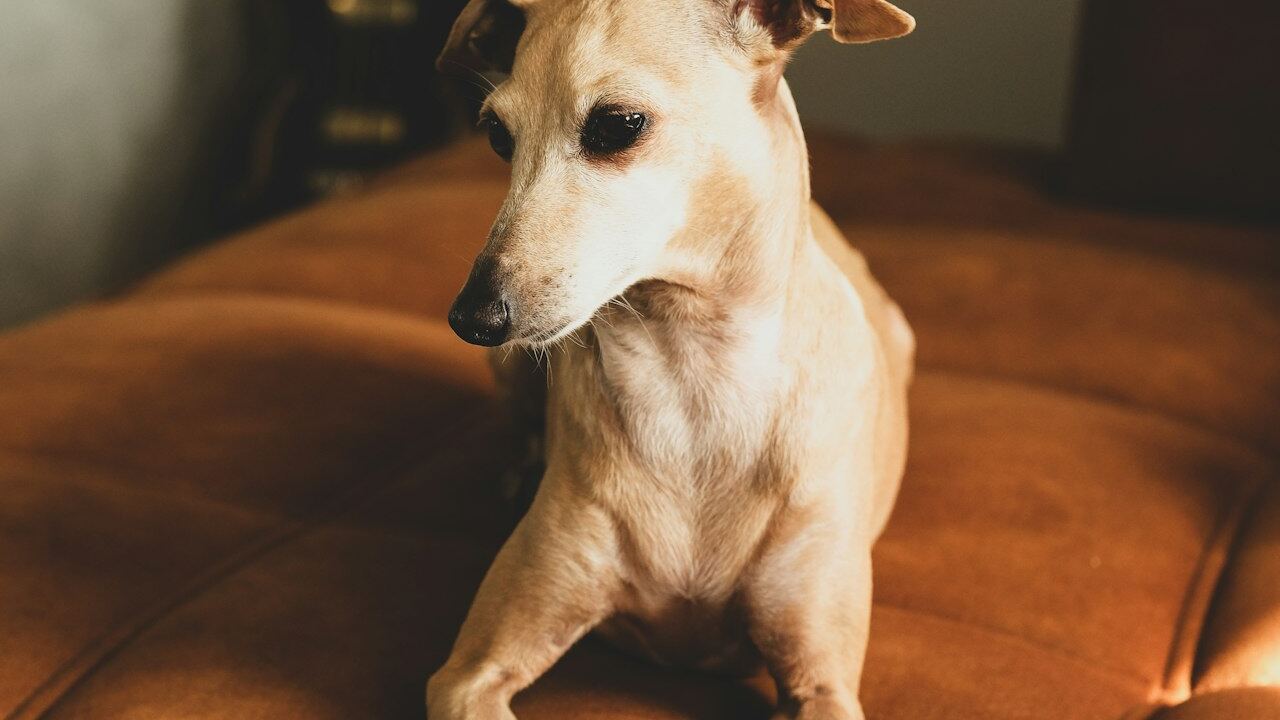
The first week after bringing the baby home sets the tone for how the pet settles in.
 Welcoming Baby
After a baby arrives, some dogs push for attention, follow closely, act restless, or guard space around the newborn.
 Welcoming Baby
Cats can show displacement through hiding, withdrawal, attention-seeking, or changes in litter habits after a baby arrives.
 Welcoming Baby
Many parents worry the pet will feel replaced when a baby comes.
 Welcoming Baby
Clear nursery boundaries protect the baby's sleep and care area while helping the pet know which spaces are off-limits.
 Welcoming Baby
Cries, coos, and sudden baby sounds can surprise a dog or cat, and reactions range from curiosity to stress.
 Welcoming Baby
A second arrival resets the household again, and the pet now shares space with a newborn and an older child.
 Welcoming Baby
A newborn’s sleep schedule and a pet’s rest habits live under one roof, and unclear boundaries can leave everyone unsettled.
 Welcoming Baby
Some pets do not settle after the newborn comes home, showing persistent stress, guarding, avoidance, or warnings.
 Welcoming Baby
Family and friends coming to see the baby may not know your pet's boundaries, and their children may approach freely.
Supervision, animal body language, and fair boundaries between children and pets.
 Safety & Rules
No matter how gentle a dog or cat seems, young children should never be left unsupervised with an animal.
 Safety & Rules
Dogs signal comfort and stress through posture, ears, tail, eyes, and mouth.
 Safety & Rules
Cats show comfort through a relaxed body, soft tail, and open face; stress appears as flicking tail, flattened ears, dilated pupils, hissing, or withdrawal.
 Safety & Rules
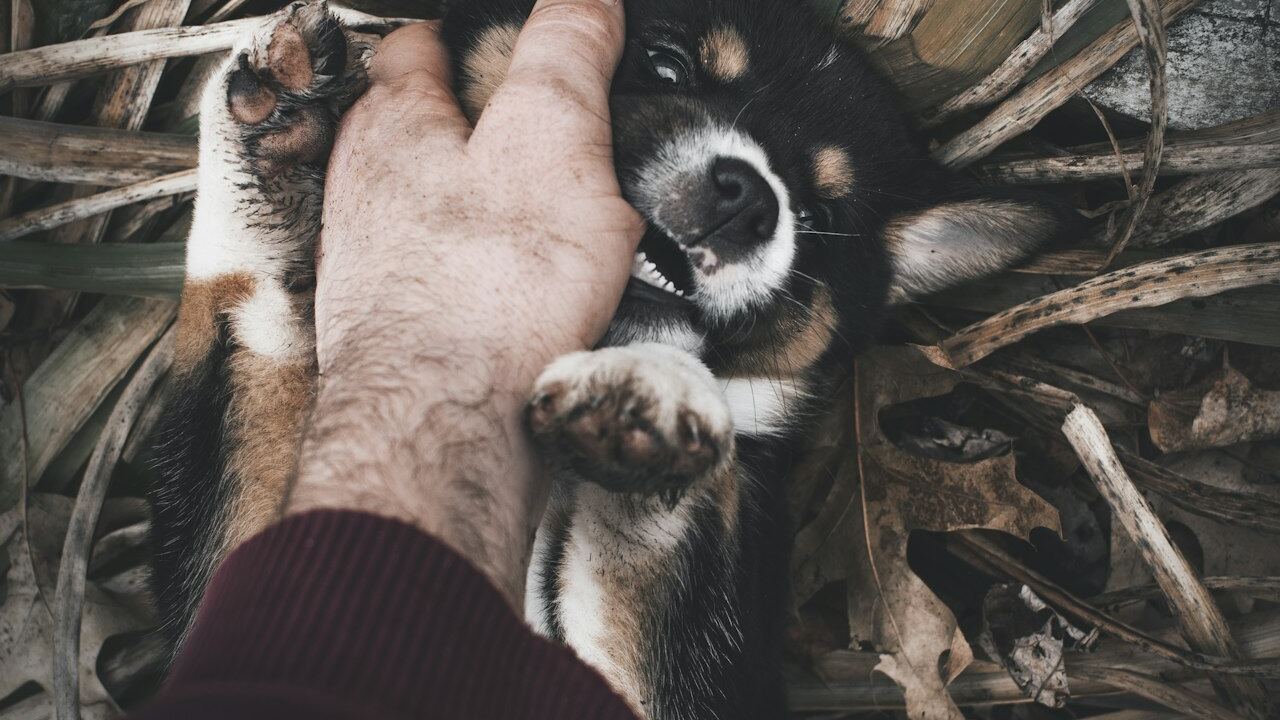
Clear, simple rules help children treat animals gently and predictably.
 Safety & Rules
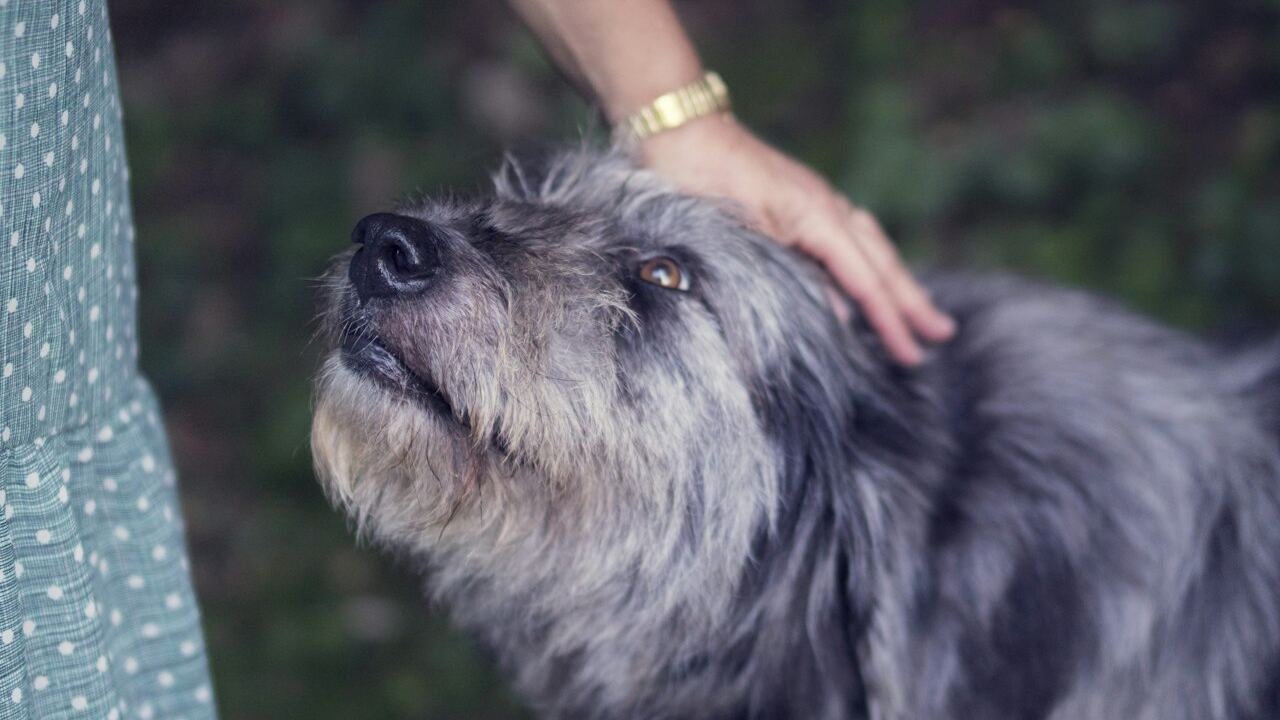
Toddlers move suddenly and grab without understanding that animals feel touch.
 Safety & Rules
A growl is a warning that the animal feels trapped, scared, or overhandled.
 Safety & Rules
Visitors and their children may not know your pet's boundaries, and your pet may be unsettled by new people and noise.
 Safety & Rules
Active supervision means watching and being ready to step in; secure separation means using gates, doors, or rooms when no adult can watch.
 Safety & Rules
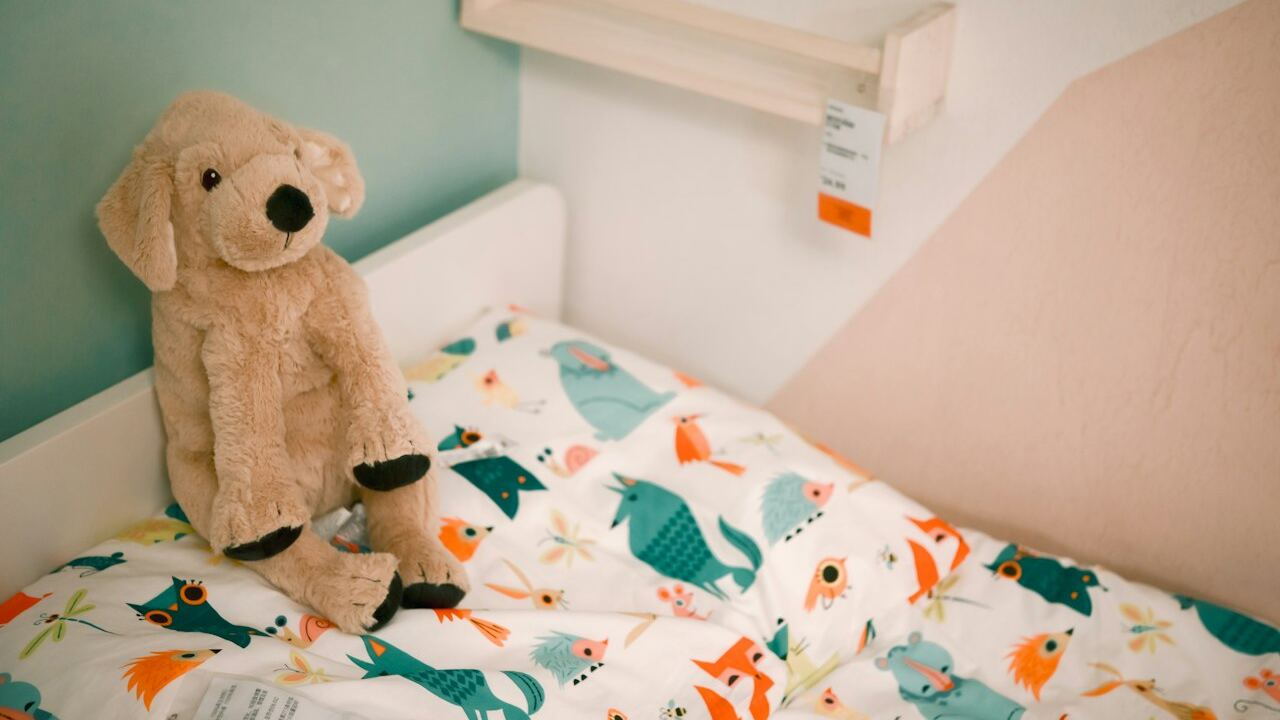
Common beliefs about pets and babies — that animals steal breath, or that every pet must leave a newborn home — are mostly myths.
 Safety & Rules
Toddlers move suddenly, grab without reading signals, and need full adult supervision around any pet.
 Safety & Rules
Preschoolers (3–6) can follow simple rules and read basic signals, but they still need adult watch around pets.
 Safety & Rules
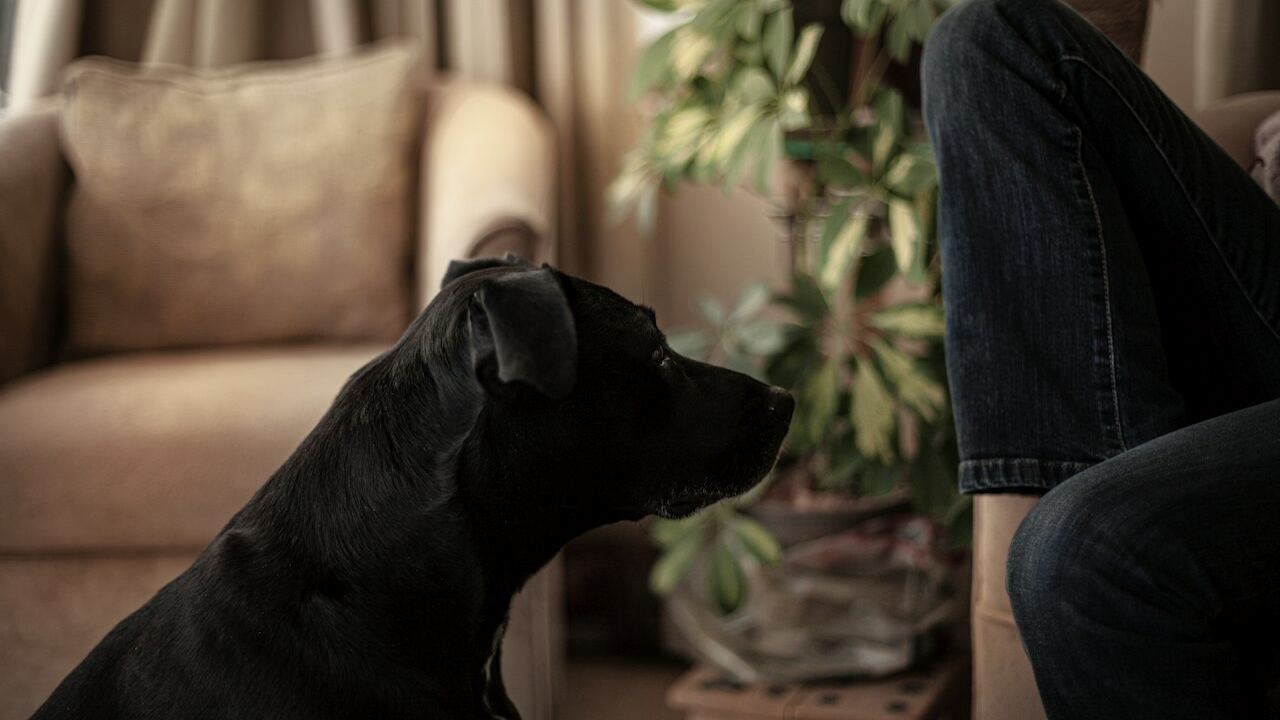
Dogs signal comfort and stress through posture, ears, tail, eyes, and mouth.
 Safety & Rules
Cats show comfort through a relaxed body, soft tail, and open face; stress appears as a flicking tail, flattened ears, dilated pupils, hissing, or withdrawal.
 Safety & Rules
How a child approaches a pet sets up whether the interaction stays calm.
 Safety & Rules
Most bites and scratches follow a build-up of stress signs that adults missed, and contact that did not stop in time.
 Safety & Rules
Guarding is a dog’s effort to keep a valued resource away, and it can appear near food, chews, beds, or people.
 Safety & Rules
Children and pets should never be left unsupervised in a car, closed room, or during busy household moments, even with a familiar family animal.
 Safety & Rules
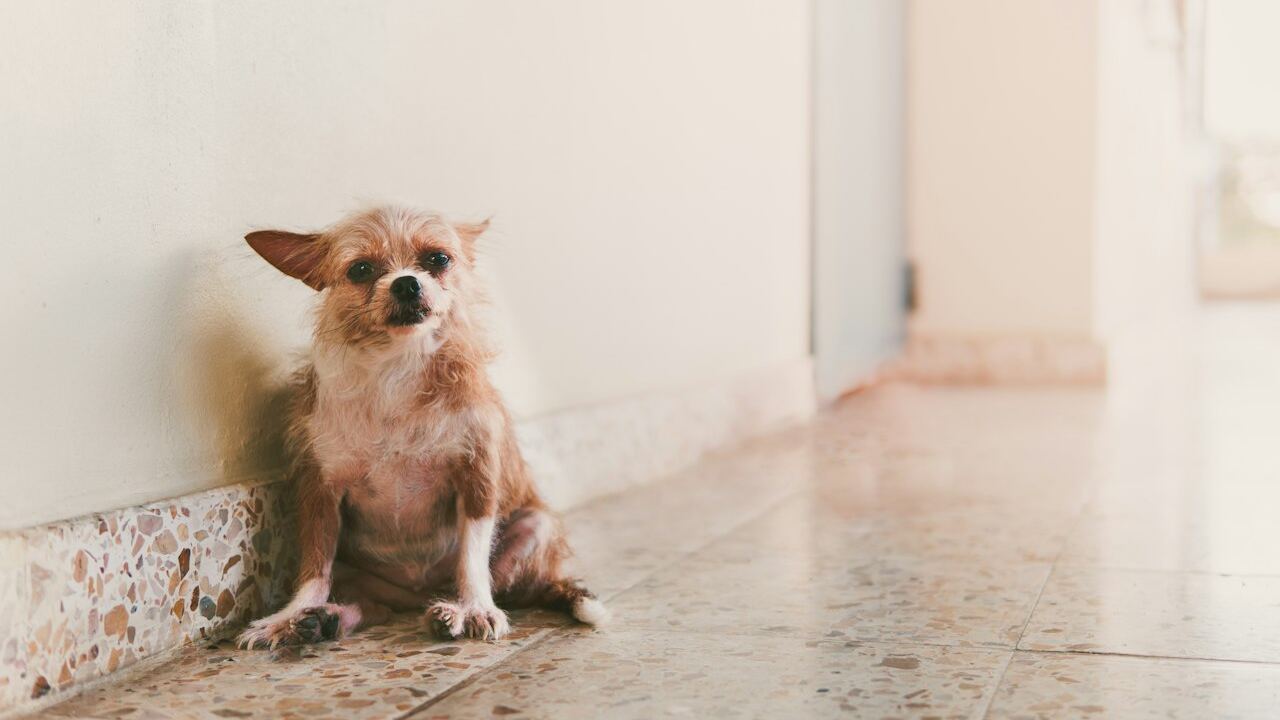
Reading a dog takes one glance at the whole body: ears, eyes, mouth, tail, and posture together.
 Safety & Rules
Cat comfort and stress show in ears, tail, eyes, whiskers, and posture, often in subtler ways than dogs.
 Safety & Rules
A growl is a warning, not the start of an attack, and it gives parents a chance to remove pressure before a snap or bite.
 Safety & Rules
Pets that are resting, napping, or asleep should not be touched, hugged, or surprised, whether in a bed, crate, or corner.
 Safety & Rules
A dedicated greeting spot gives children and dogs a clear place for calm touch, away from food, toys, and busy play.
 Safety & Rules
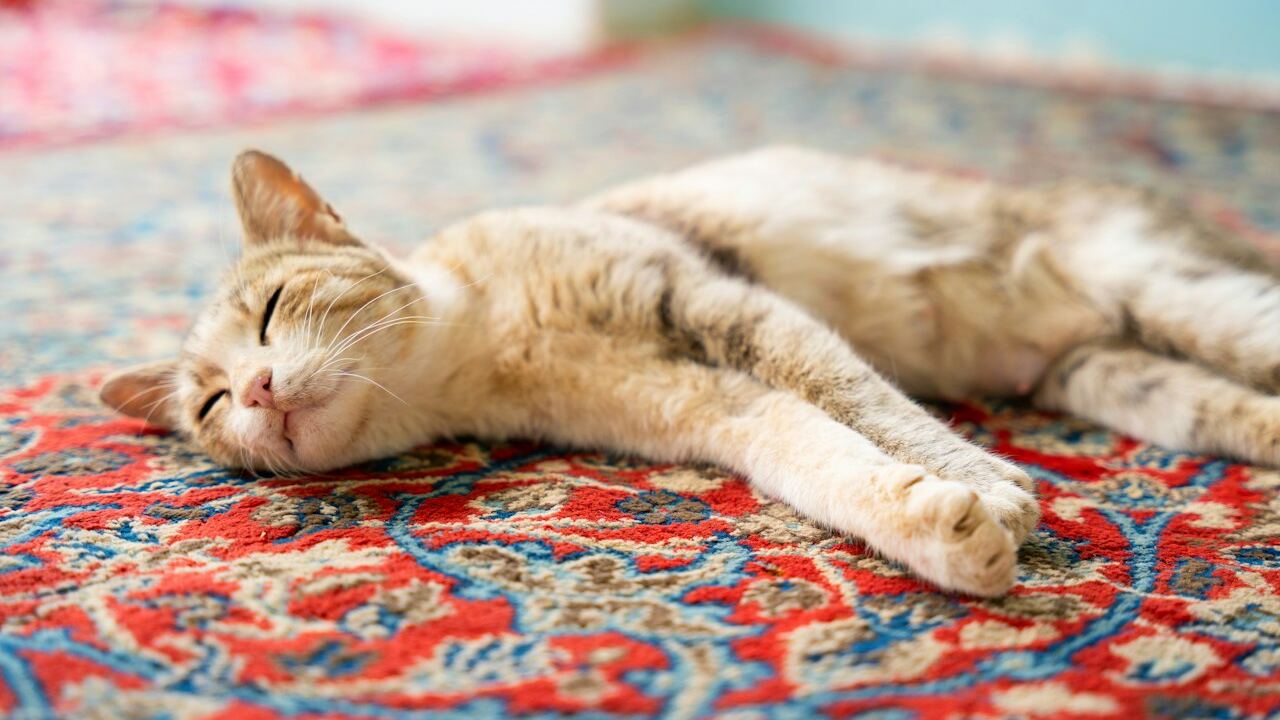
Cats choose closeness on their own terms, and a child who follows, lifts, or corners the cat can trigger swatting or hiding.
 Safety & Rules
Roughhousing, tugging, chasing, and wrestling can escalate fast, turning a playful moment into a bite or scratch.
 Safety & Rules
An unfamiliar animal has unknown temperament, stress triggers, and comfort level, so children should follow a stricter approach than with the family pet.
 Safety & Rules
Gates are a simple separation tool that keeps child and pet apart during busy moments, giving both sides space.
 Safety & Rules
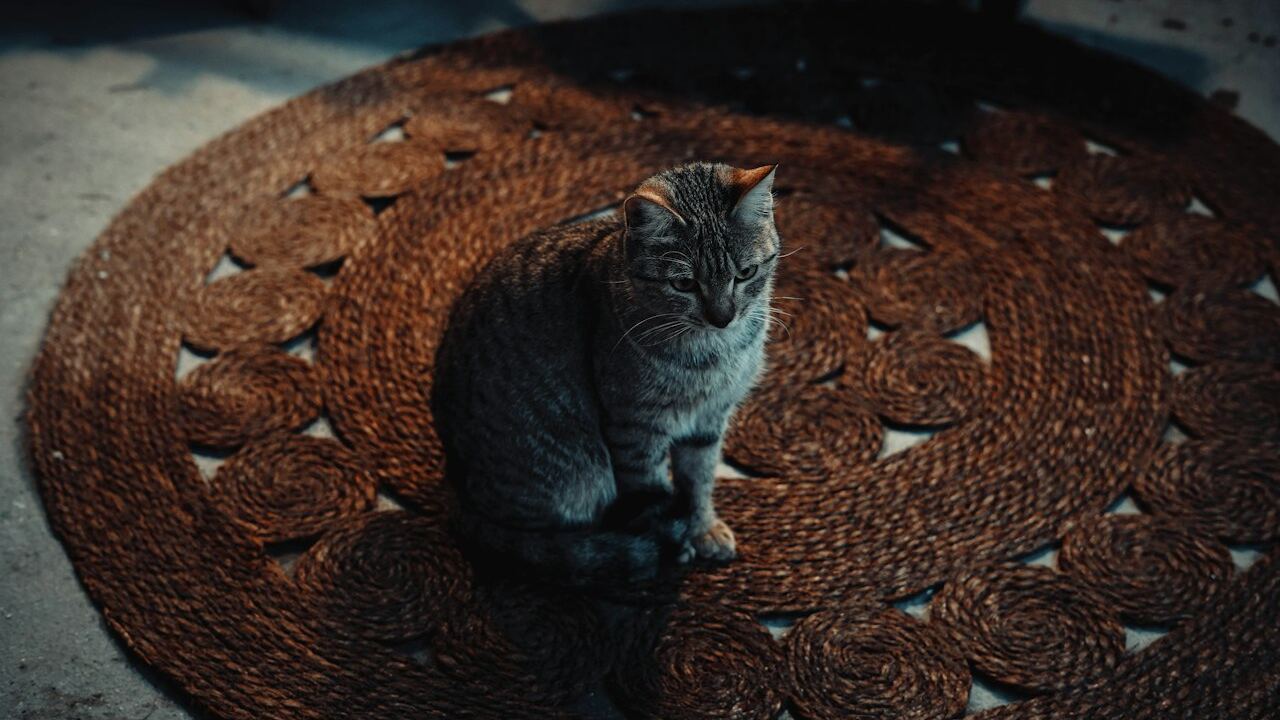
Cats climb shelves, curtains, counters, and furniture to escape a busy toddler, while young children may reach, chase, or try to lift the cat.
 Safety & Rules
Crying, cooing, doorbells, play toys, and sudden household sounds can stress a pet, especially one unused to a baby.
 Safety & Rules
Toddlers learn kindness through short, guided, successful moments with animals.
 Safety & Rules
Popular beliefs about pets and children often underestimate risk, assuming affection, age, or breed guarantees safety.
Zones, gates, litter boxes, pet beds and household setups that work with kids.
 Home & Gear
A home with kids and pets works best when zones are clear: the baby's sleep area, the pet's retreat, and a shared family space.
 Home & Gear
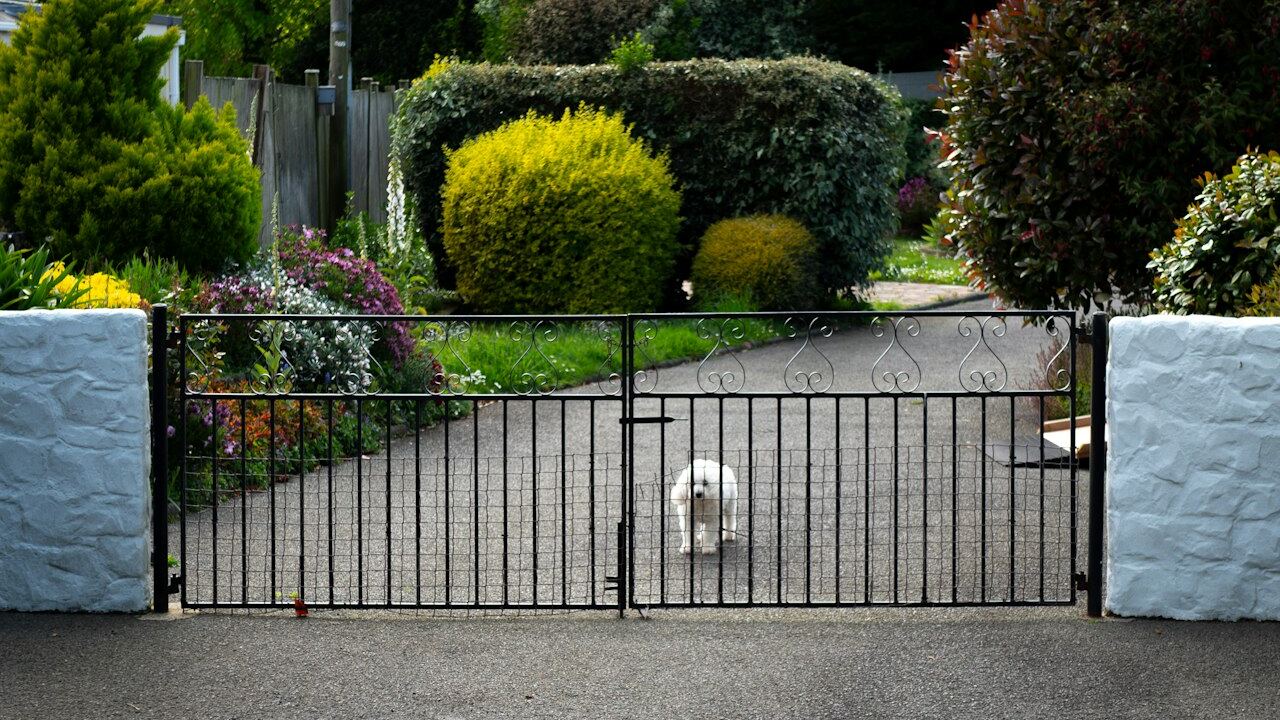
Gates and barriers are the physical layer of a safe home: they separate child and pet when an adult cannot watch, and give the animal a retreat.
 Home & Gear
The litter box needs a spot that is private for the cat, easy to clean for the family, and out of reach of small hands.
 Home & Gear
Pet food, treats, and trash are common hazards for small children: choking, upset stomach, and spoiled food all come from unsecured access.
 Home & Gear
Every dog and cat needs a space it can use without pressure: a quiet bed, crate, or room where the child cannot crowd or grab.
 Home & Gear
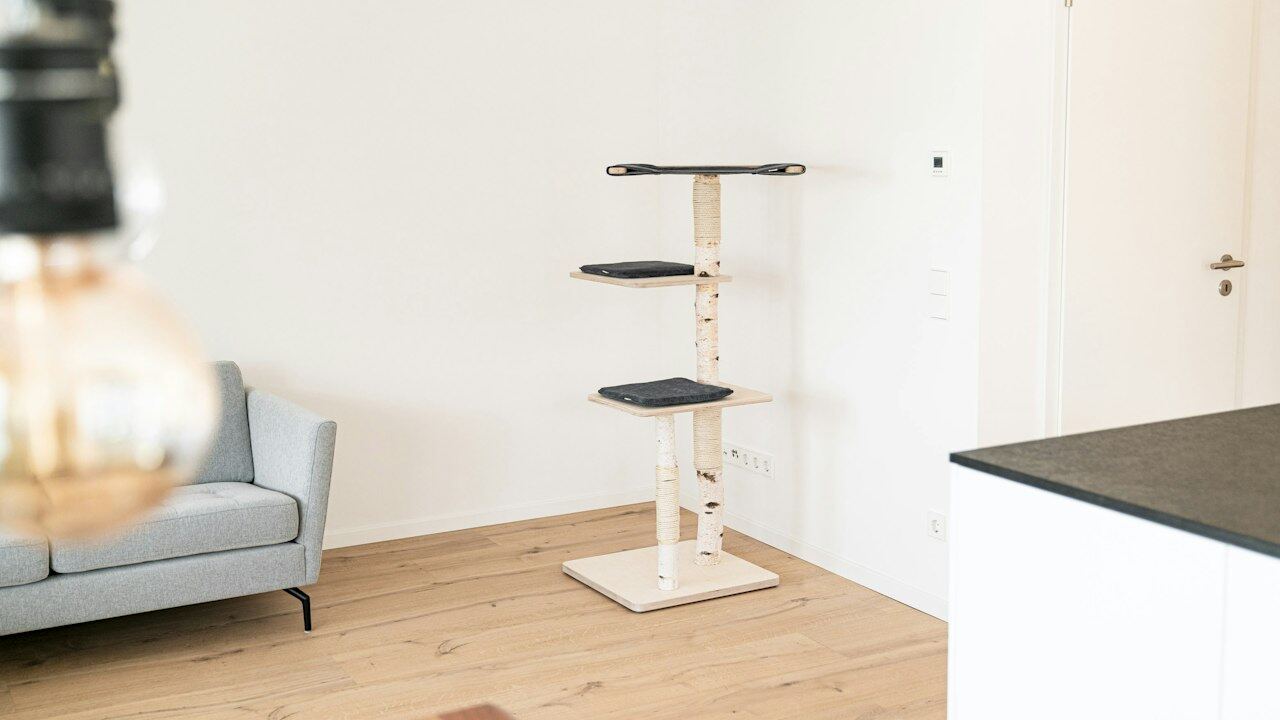
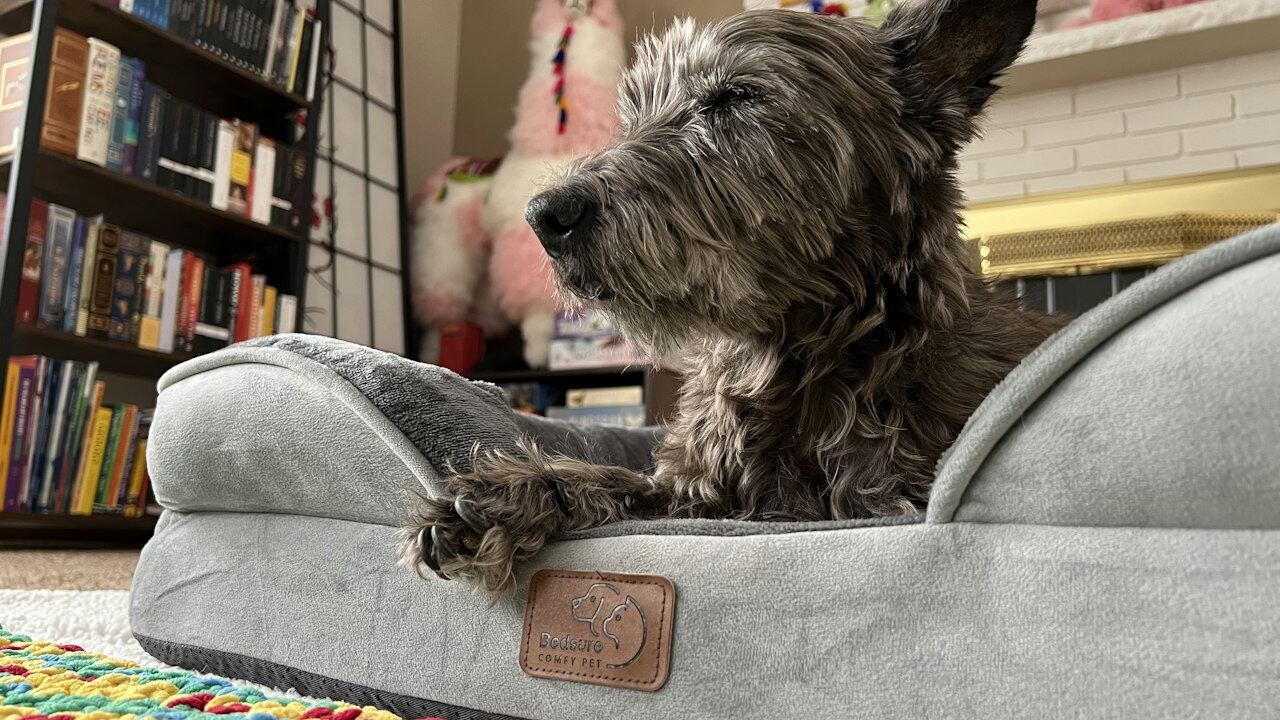
A pet's bed is its resting space, and where it sits affects safety, cleanliness, and the animal's calm.
 Home & Gear
A small apartment can work for a family with a dog or cat, but it needs smart zoning, clean-up habits, and enough activity.
 Home & Gear
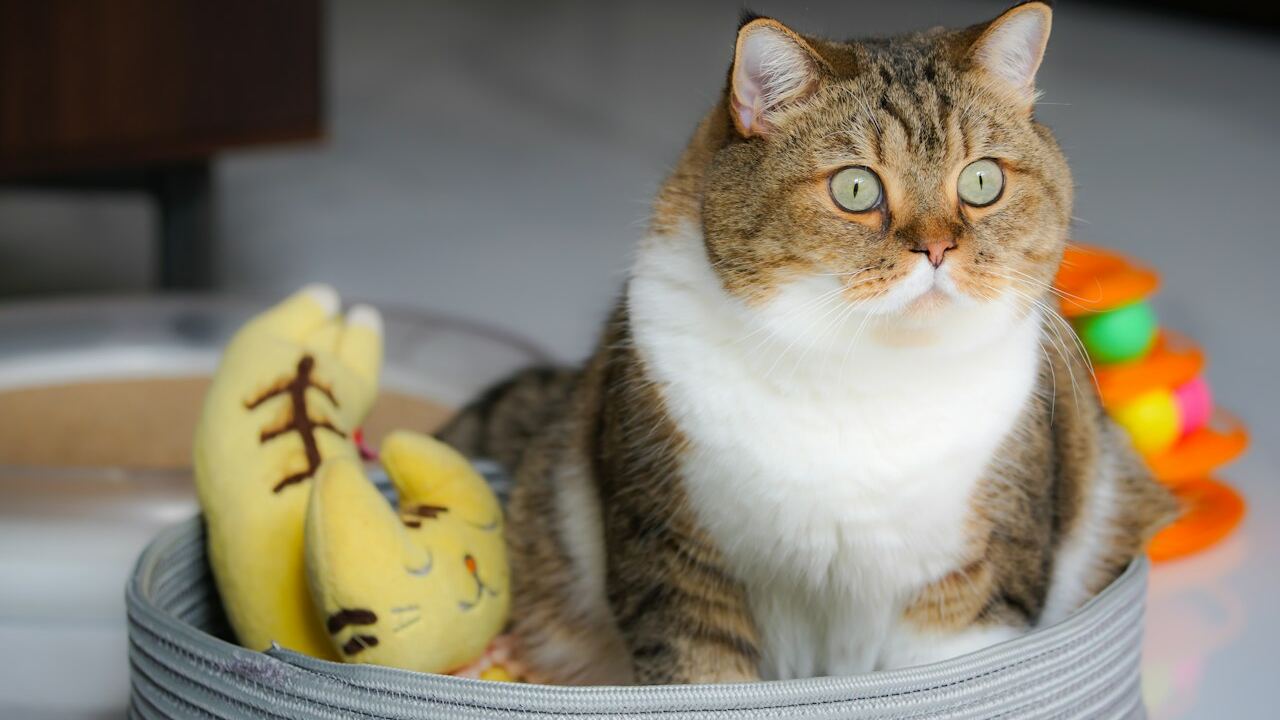
Cribs, strollers, high chairs, playpens, and carriers hold a baby's space and can attract pets curious by smell and habit.
 Home & Gear
Helping with the pet teaches responsibility and care, but chores must match the child's age and keep the animal safe.
 Home & Gear
A dedicated play area separates children's activity from the pet's food, rest, and supplies, reducing grabs, spills, and crowding.
 Home & Gear
Gates come in pressure-mounted, hardware-mounted, tall, and wide styles, each fitting different spots and pet sizes.
 Home & Gear
Pet food, treats, litter, grooming tools, and medications are stored out of children's reach to prevent spills, choking, and unsafe handling.
 Home & Gear
Open kibble bags, treats, and chews attract children and can cause choking, upset stomach, or unsafe eating.
 Home & Gear
A stable water bowl in a quiet, easy-to-reach spot keeps the pet hydrated and out of the children's play path.
 Home & Gear
A pet's bed should sit in a quiet, protected corner away from running toys and high chairs, so the animal can rest undisturbed.
 Home & Gear
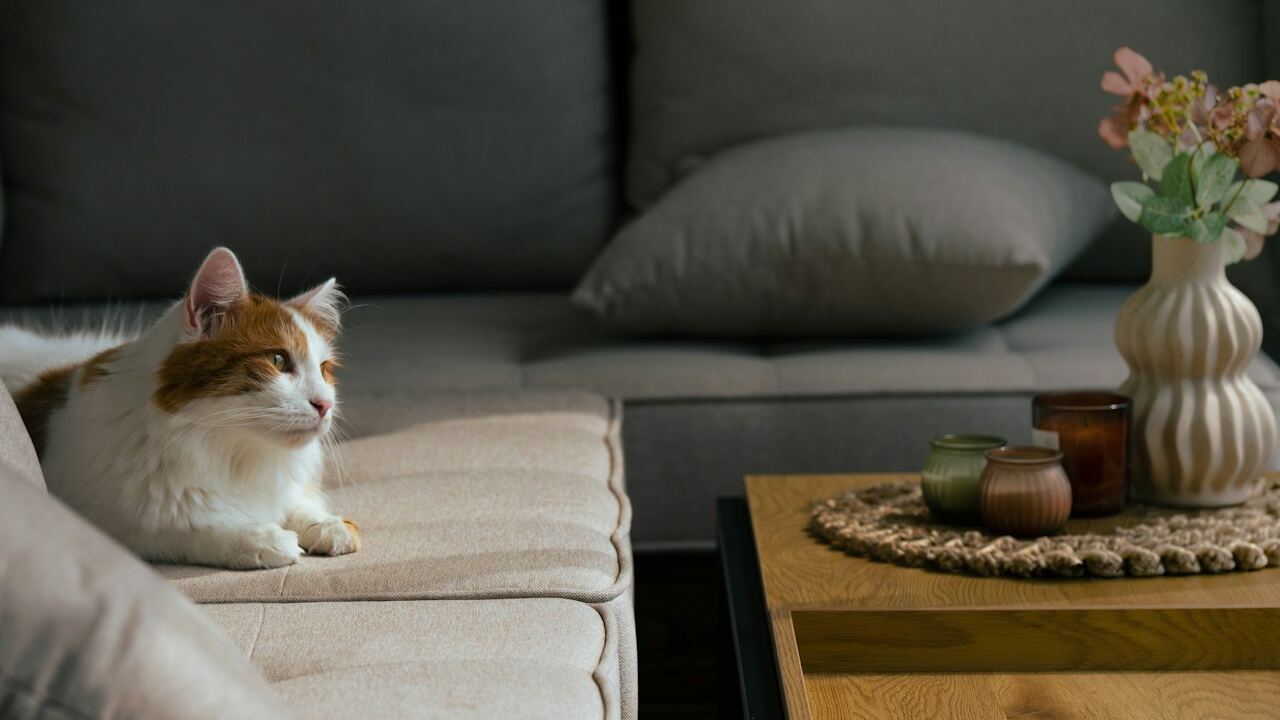
Pet toys, bones, and chews look like children's playthings but carry choking and food-access risks.
 Home & Gear
Hair, dander, spills, and tracked-in dirt build up fast in a busy household.
 Home & Gear
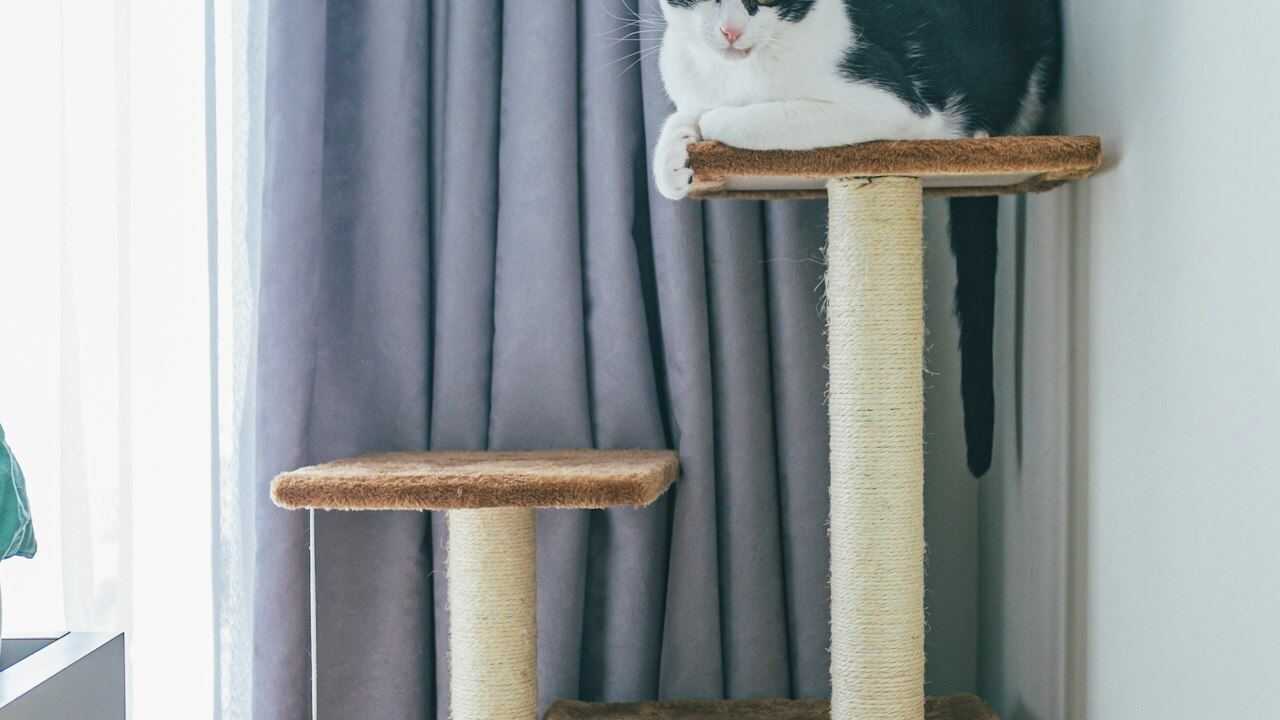
Compact space means child play, pet rest, and supplies must share every room without crowding.
 Home & Gear
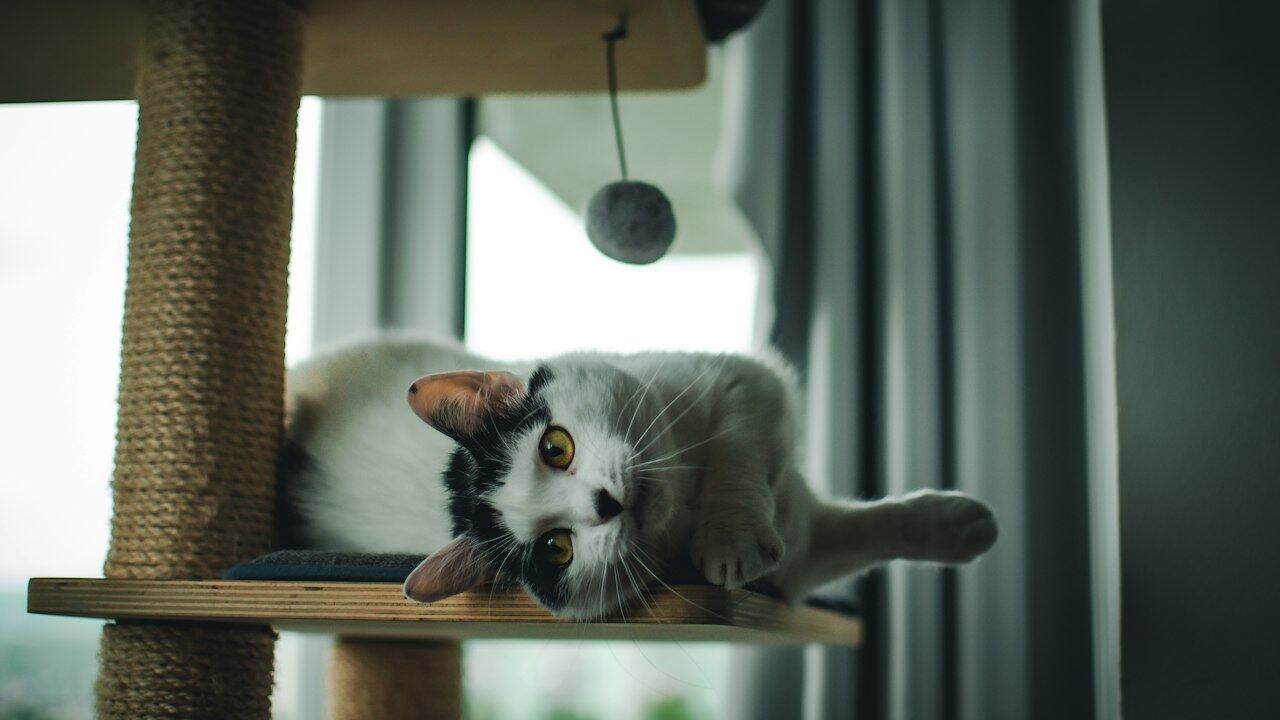
The nursery and crib are protected baby spaces that pets must not enter, whether the door is closed or a gate guards the opening.
 Home & Gear
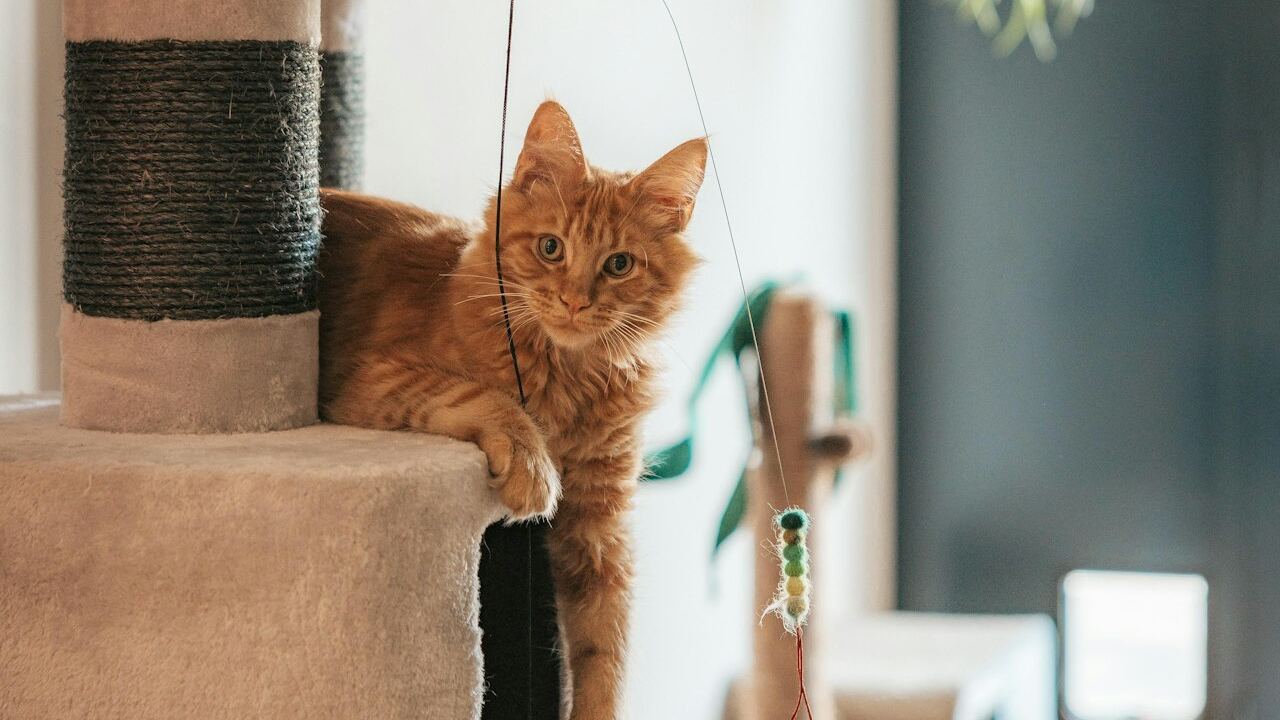
A crate or den gives the pet a protected retreat, but it must stay off-limits to children so the animal can rest undisturbed.
 Home & Gear
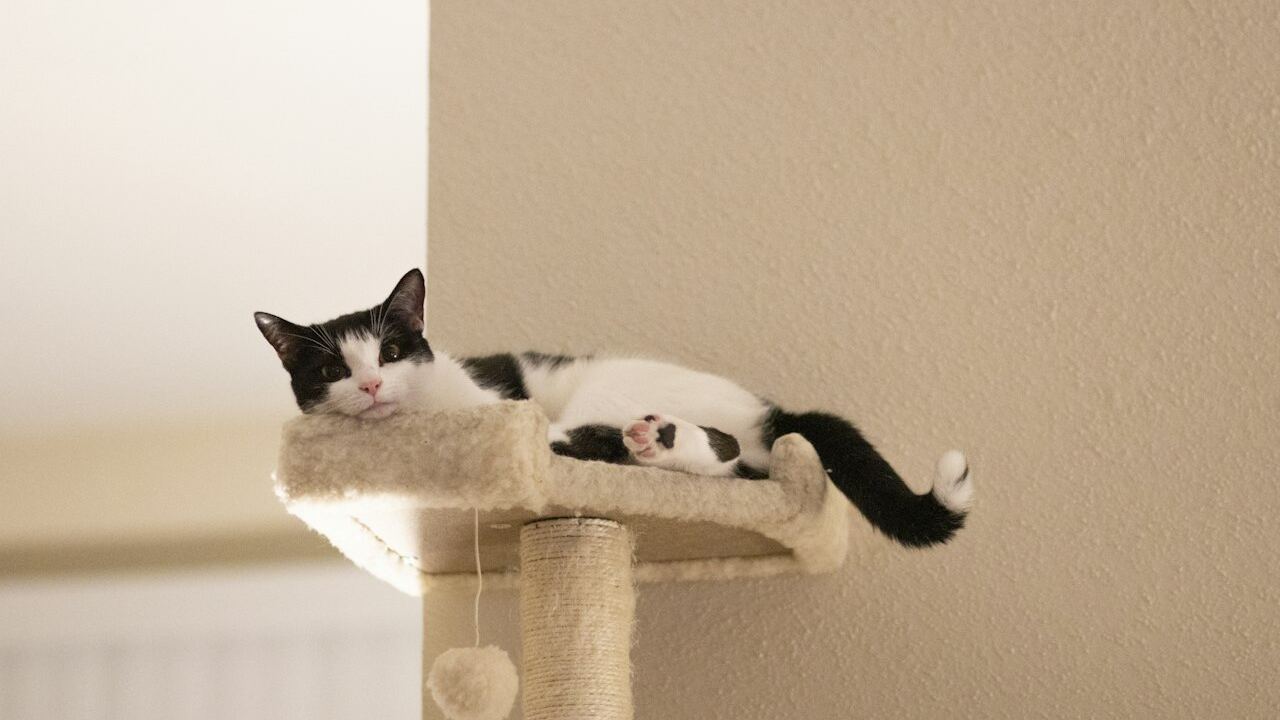
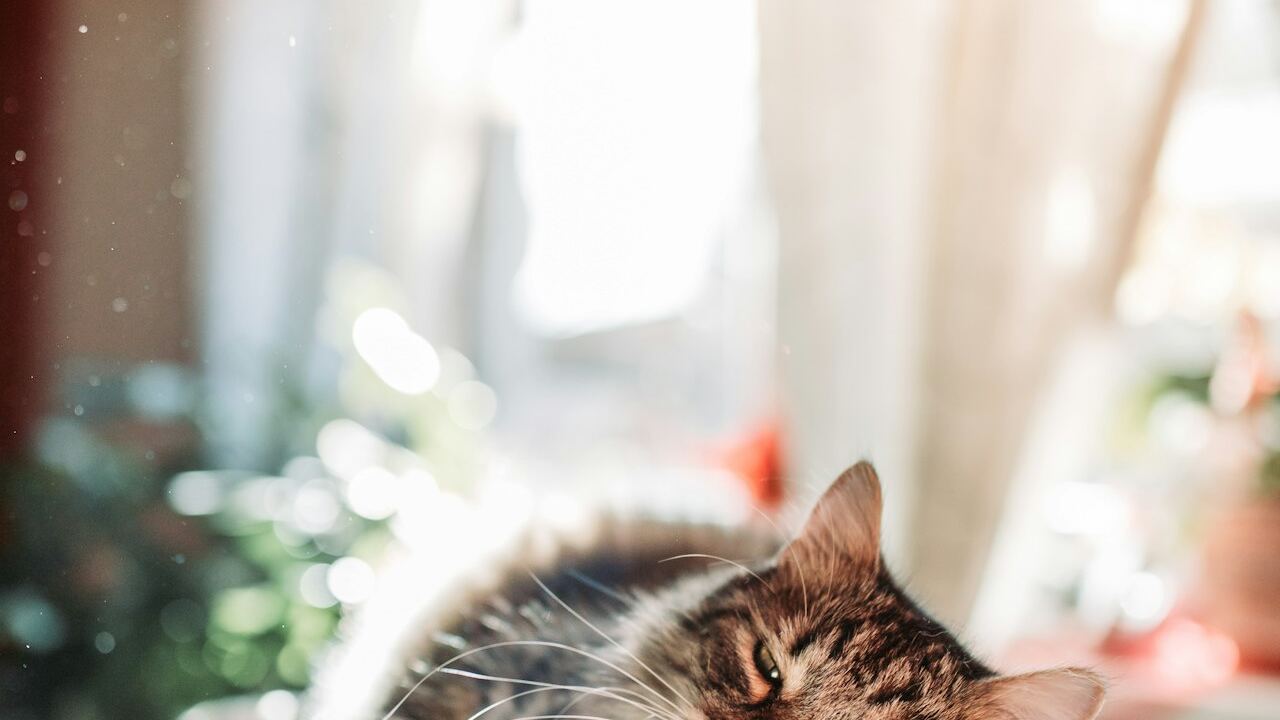
High chairs, strollers, playpens, and carriers are child spaces that pets should not climb onto or crowd around.
 Home & Gear
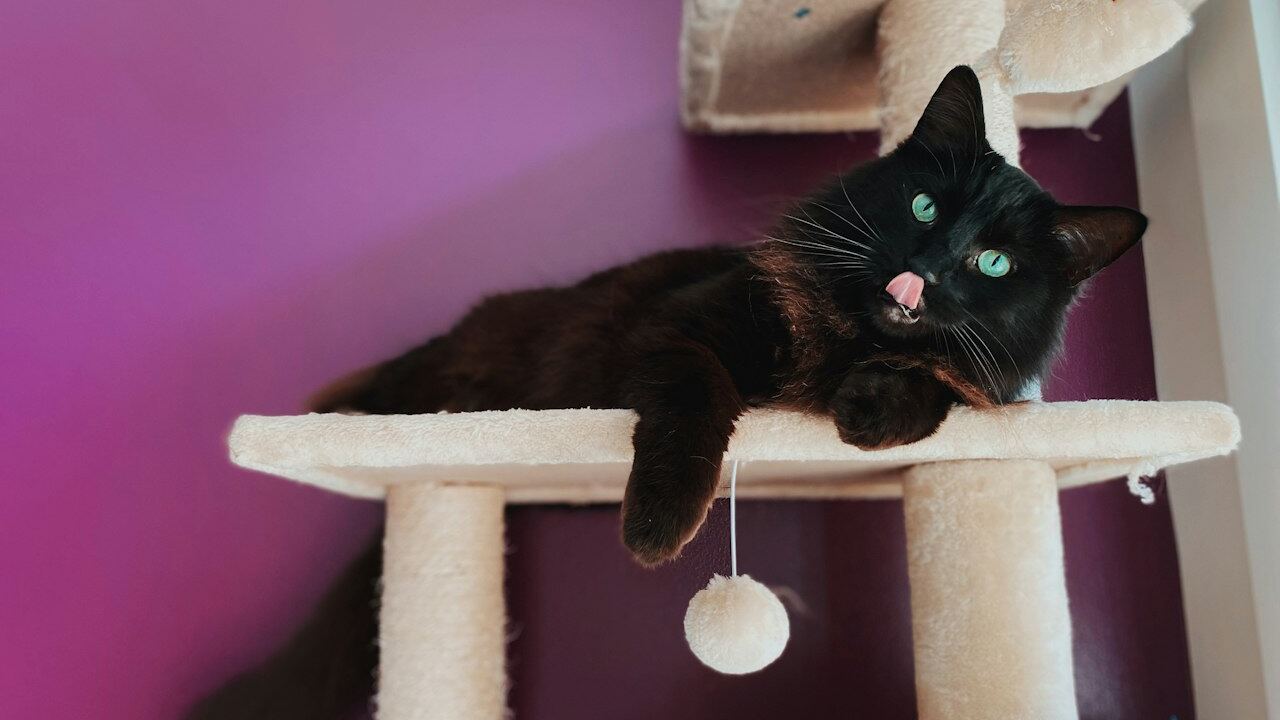
Washable mats mark play zones, cushion falls, and catch spills and tracked-in dirt, but they must stay easy to clean and out of the pet's rest path.
 Home & Gear
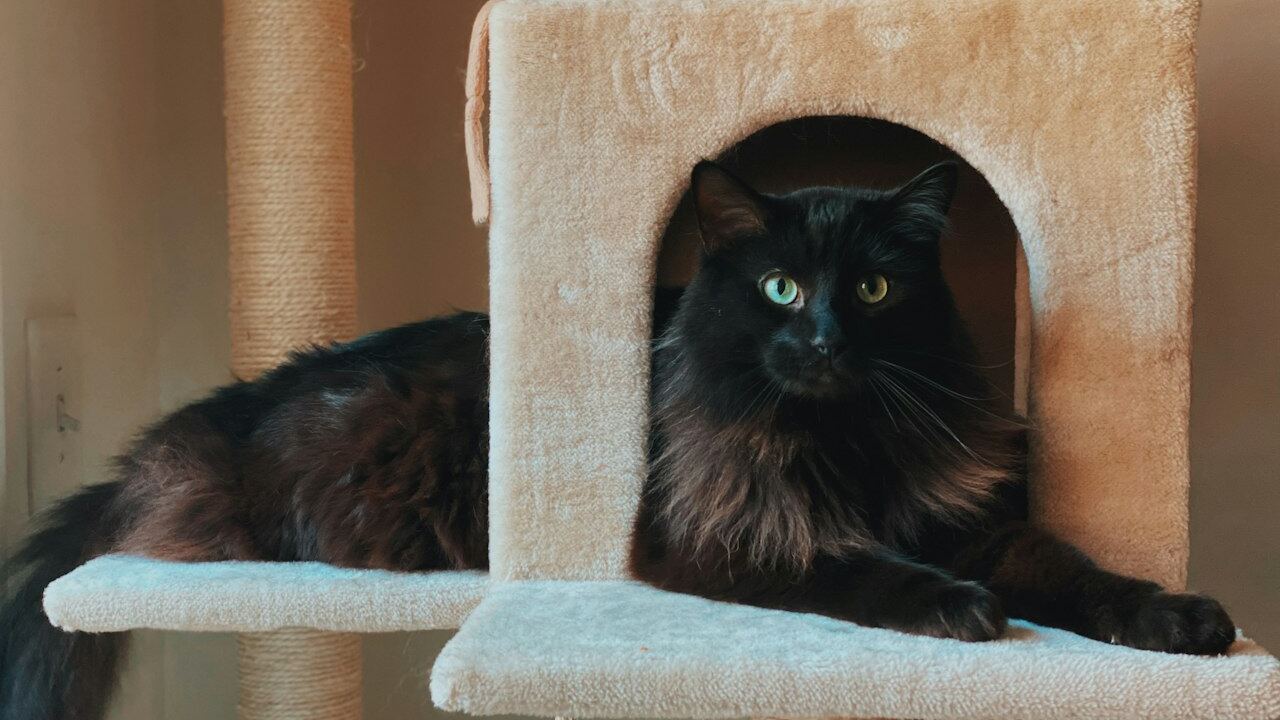
A dedicated grooming spot keeps brushing, nail care, and baths contained, with supplies stored out of children's reach.
 Home & Gear
A basic emergency kit keeps pet essentials ready during a power outage, storm, or quick evacuation, with records, supplies, and contact information in one safe spot.
Hair, dander, parasites, allergies, grooming and keeping children and pets healthy.
 Health & Hygiene
Pet hair and dander are manageable with routine cleaning and clear boundaries.
 Health & Hygiene
Parasite prevention protects both your pet and everyone in the home.
 Health & Hygiene
Pet allergy shows up as skin, breathing, and eye irritation, often clustered around contact with the animal.
 Health & Hygiene
Cat litter needs extra care during pregnancy.
 Health & Hygiene
A sick pet needs rest and space, and some illnesses call for temporary separation.
 Health & Hygiene
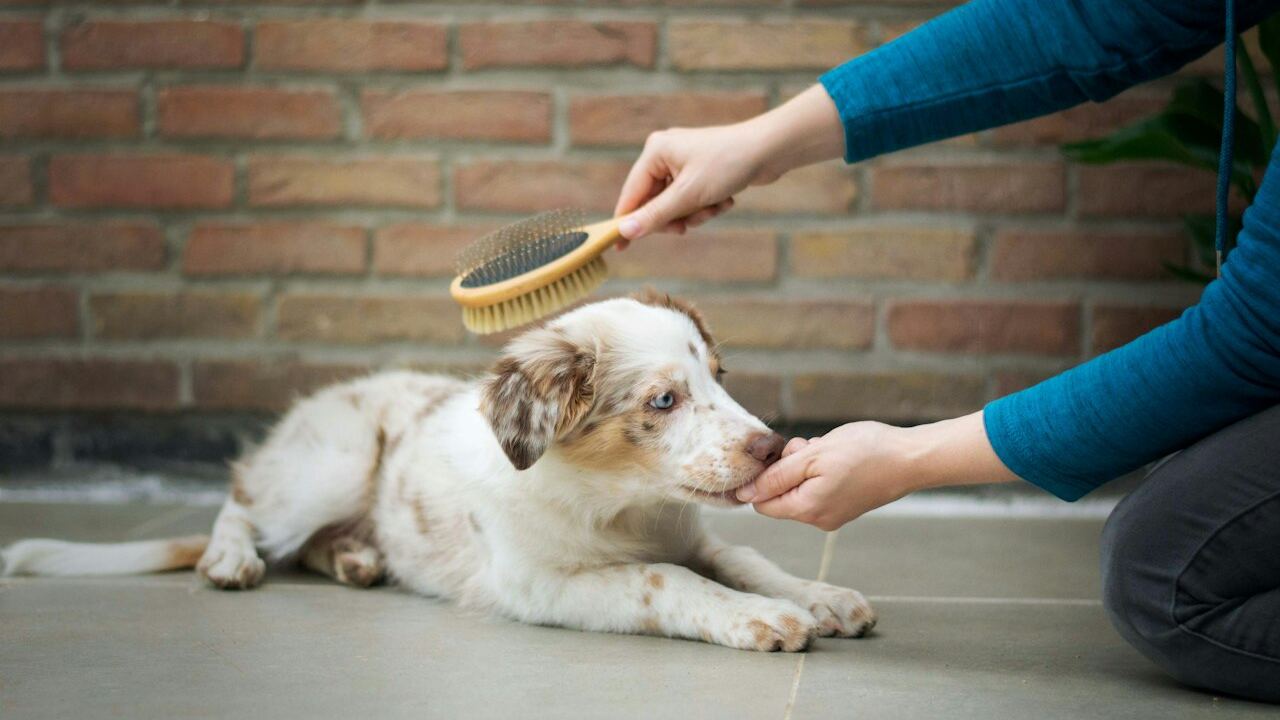
Regular grooming cuts loose hair, keeps the coat healthy, and makes cleanup easier for the whole family.
 Health & Hygiene
Household prevention covers the pet, the living spaces, and hygiene habits.
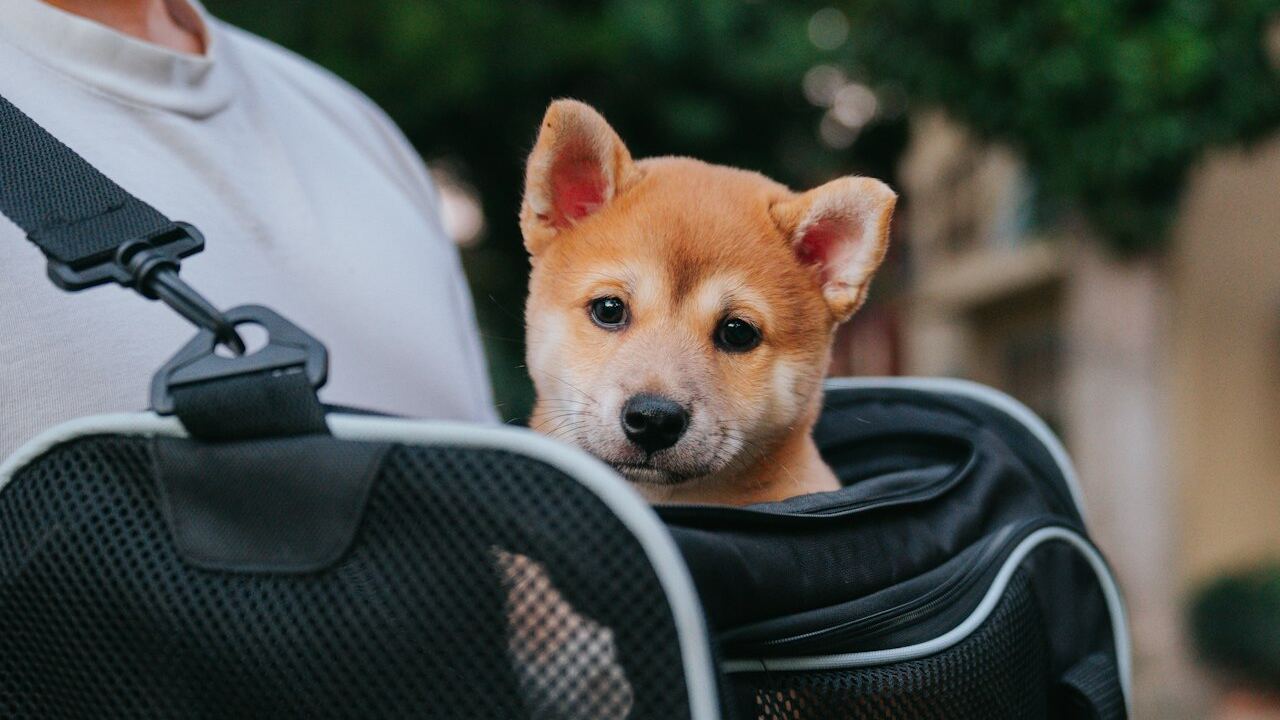 Health & Hygiene
Keeping vaccinations and check-ups current protects the pet and the household.
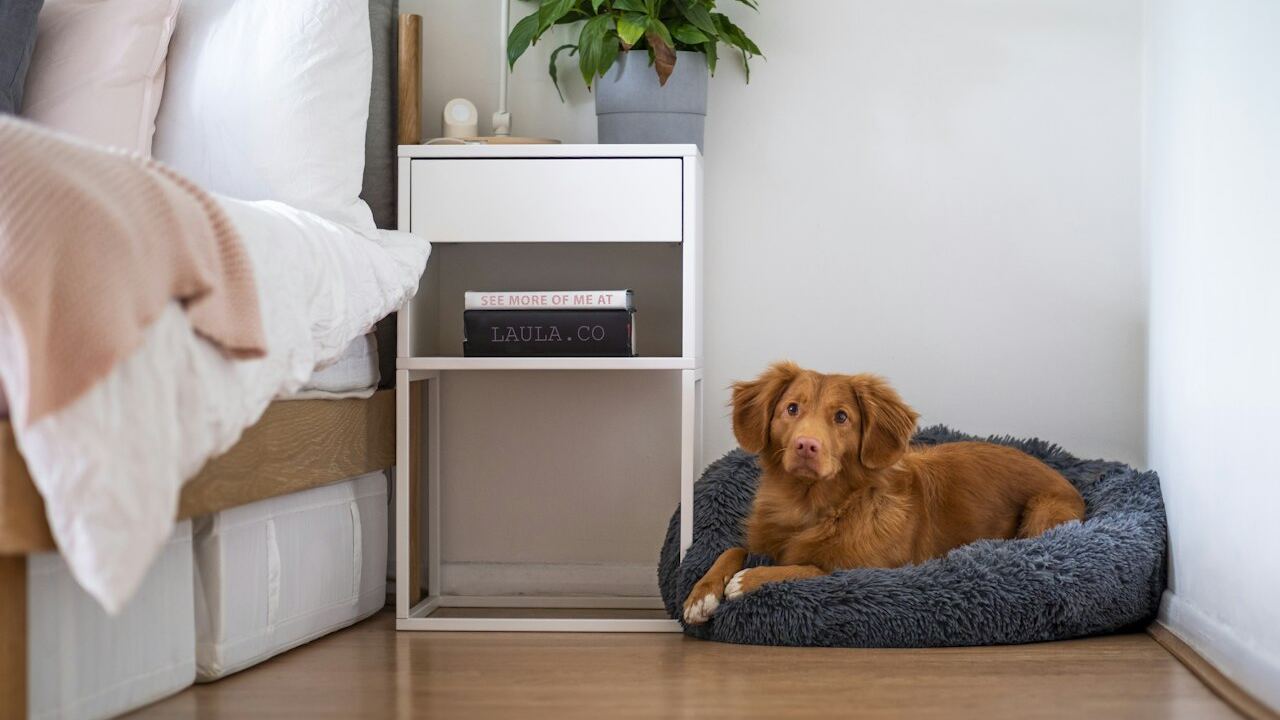 Health & Hygiene
For children with allergies or asthma, a clear home plan reduces exposure and makes symptoms easier to manage with medical guidance.
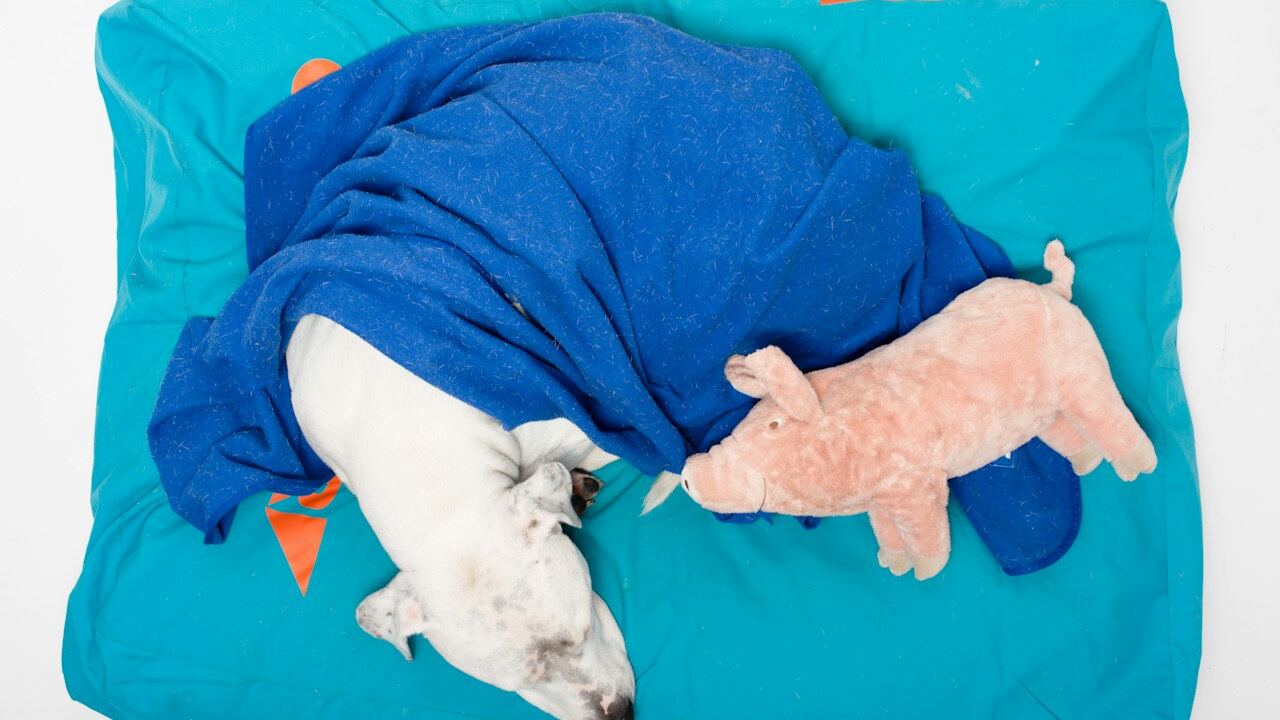 Health & Hygiene
Pet allergy can look like a recurring cold, eczema flare, or breathing discomfort around the animal, and it often needs a clinician to confirm.
 Health & Hygiene
Pet allergens can trigger nose, eye, and airway reactions, and in children with asthma they may bring on cough, wheeze, or tight breathing.
 Health & Hygiene
Dander and hair collect on fabrics, floors, and furniture, and regular cleaning lowers the allergen load around children.
 Health & Hygiene
Fleas spread through the pet and into carpets, bedding, and furniture, and prevention protects both animal and family.
 Health & Hygiene
When a pet is unwell, a quiet separated space protects the animal's rest and keeps children away from stress, shedding, or possible infection.
 Health & Hygiene
Ticks latch onto pets outdoors and can carry illness to animals and people, so checks after walks, protective care, and prompt removal matter around children.
 Health & Hygiene
Internal worms spread through pets and can affect people, especially children, so routine worming, hygiene, and clean-up of waste protect the household.
 Health & Hygiene
Fleas, ticks, worms, and other parasites can affect a pet's comfort, coat, and appetite, and early recognition helps the family act before a problem spreads.
 Health & Hygiene
Vaccinations protect young pets against serious diseases, and following the clinic's early series builds immunity before the animal meets the wider world.
 Health & Hygiene
Routine veterinary checkups catch illness, dental issues, and parasite risks early, when care is simpler and less stressful for the pet.
 Health & Hygiene
Shedding coats leave hair and dander around rugs, furniture, and play areas, and regular grooming keeps the household cleaner for kids.
 Health & Hygiene
Bathing keeps coat and skin clean, but wet pets, slippery floors, and grooming products need a controlled setup away from children.
 Health & Hygiene
Dental disease builds quietly in dogs and cats, causing odor, tartar, and discomfort, and regular at-home care plus vet checkups protect the animal's mouth.
 Health & Hygiene
Before a baby arrives, a vet review of the pet's vaccinations, parasites, behavior, and health helps prevent surprises once the newborn is home.
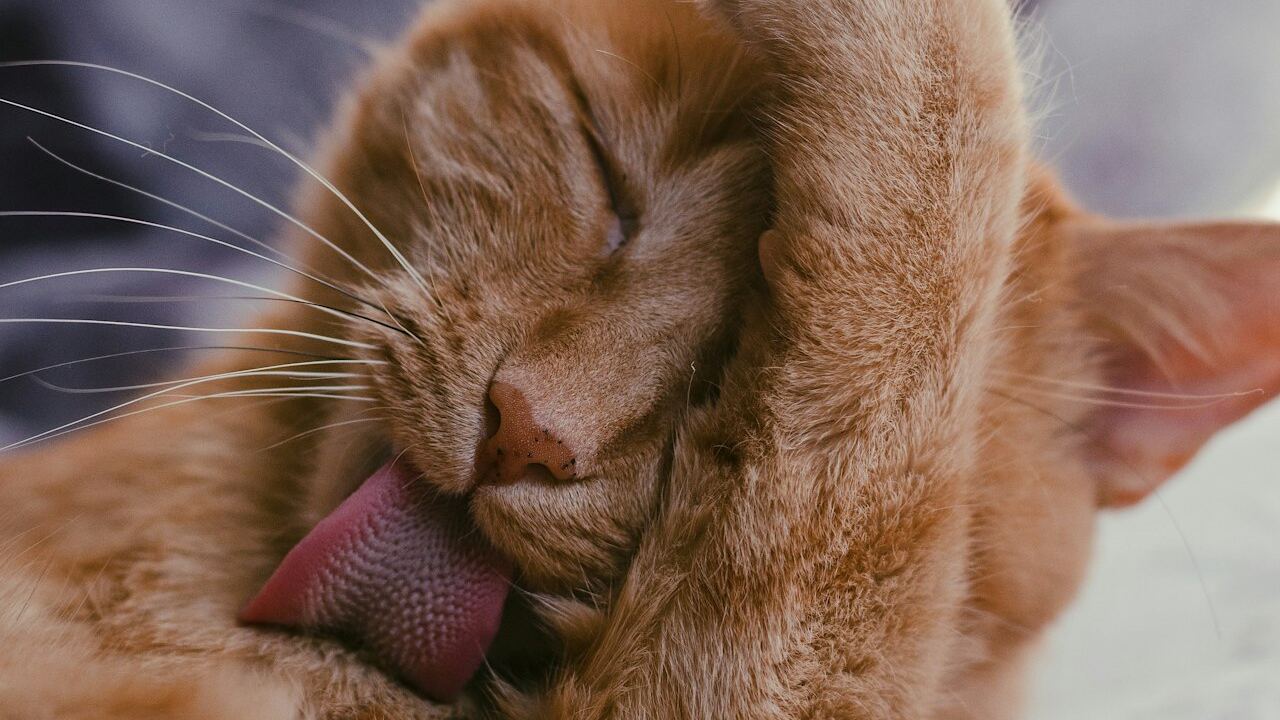 Health & Hygiene
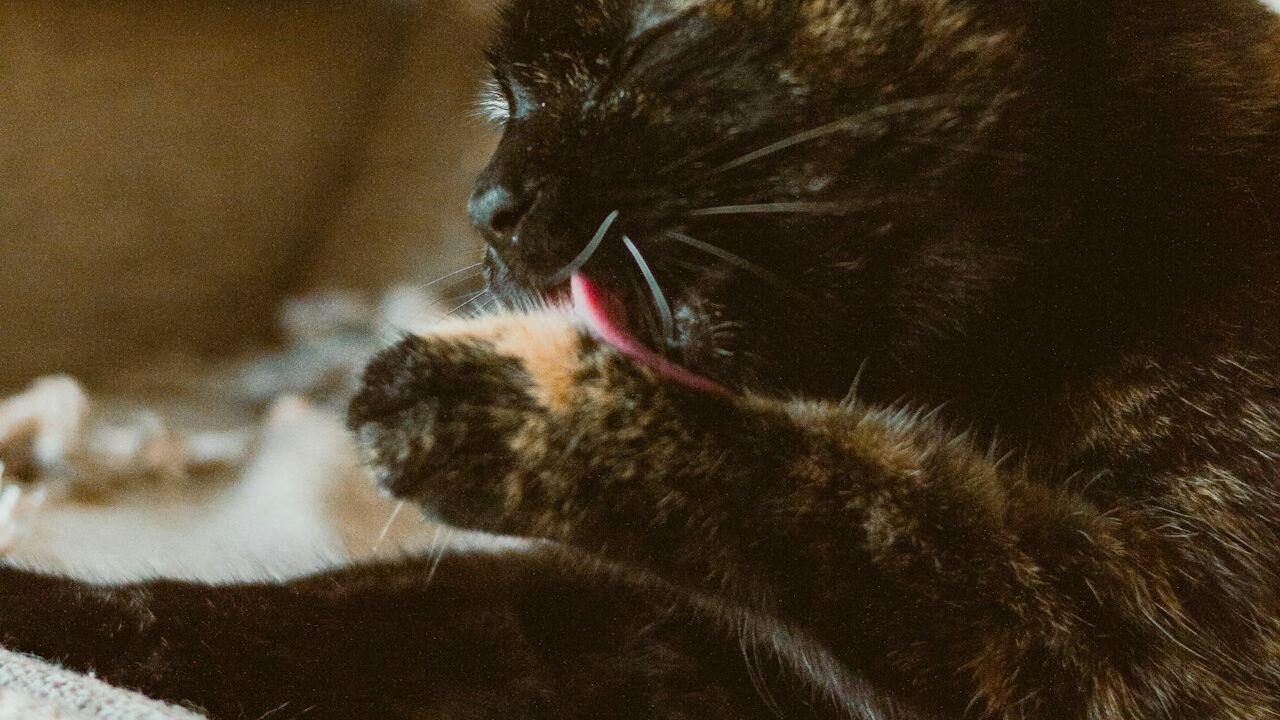
Older pets need gentler handling, protected rest, and closer health checks as their mobility and tolerance change.
 Health & Hygiene
Pet hair and dander circulate in room air and settle on fabrics, which can worsen allergy or asthma symptoms in sensitive children.
 Health & Hygiene
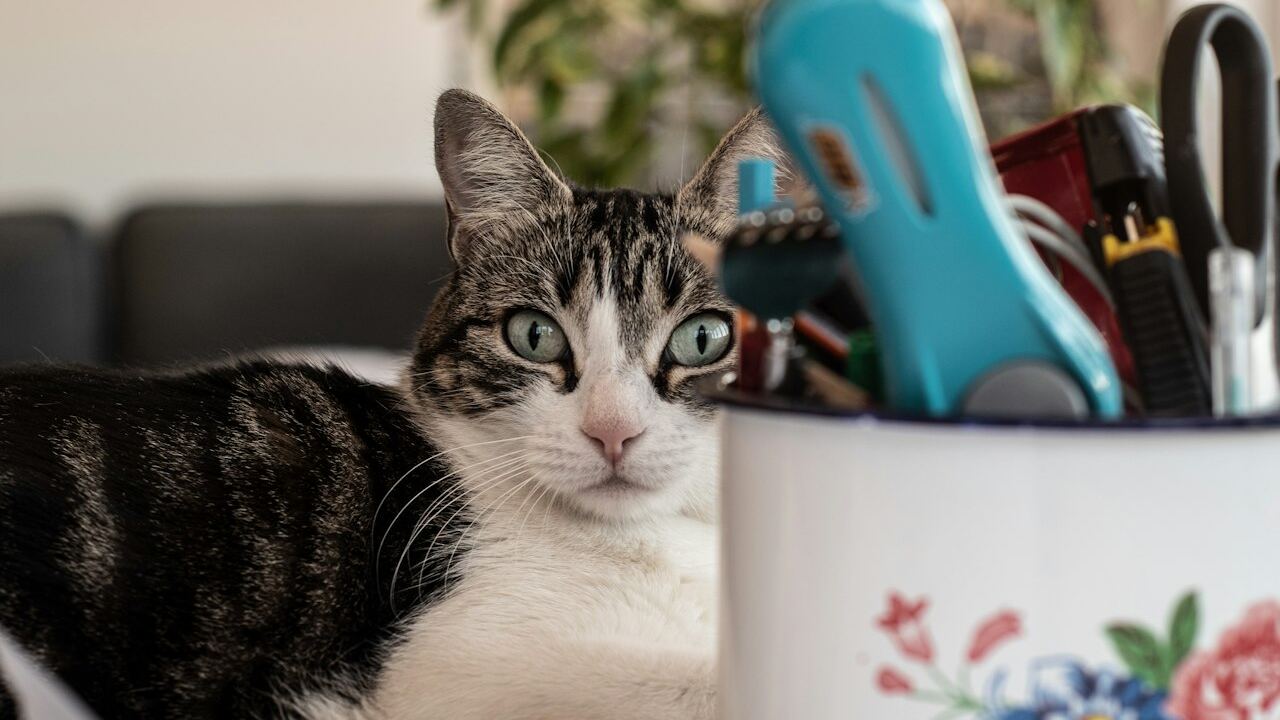
A pet-free room gives a sensitive child a low-dander place to sleep and rest, especially the bedroom.
 Health & Hygiene
Some pet symptoms need immediate veterinary care rather than waiting for a routine checkup.
Daily exercise, anxiety, multi-pet peace, and plans when parents work or travel.
 Routine & Behavior
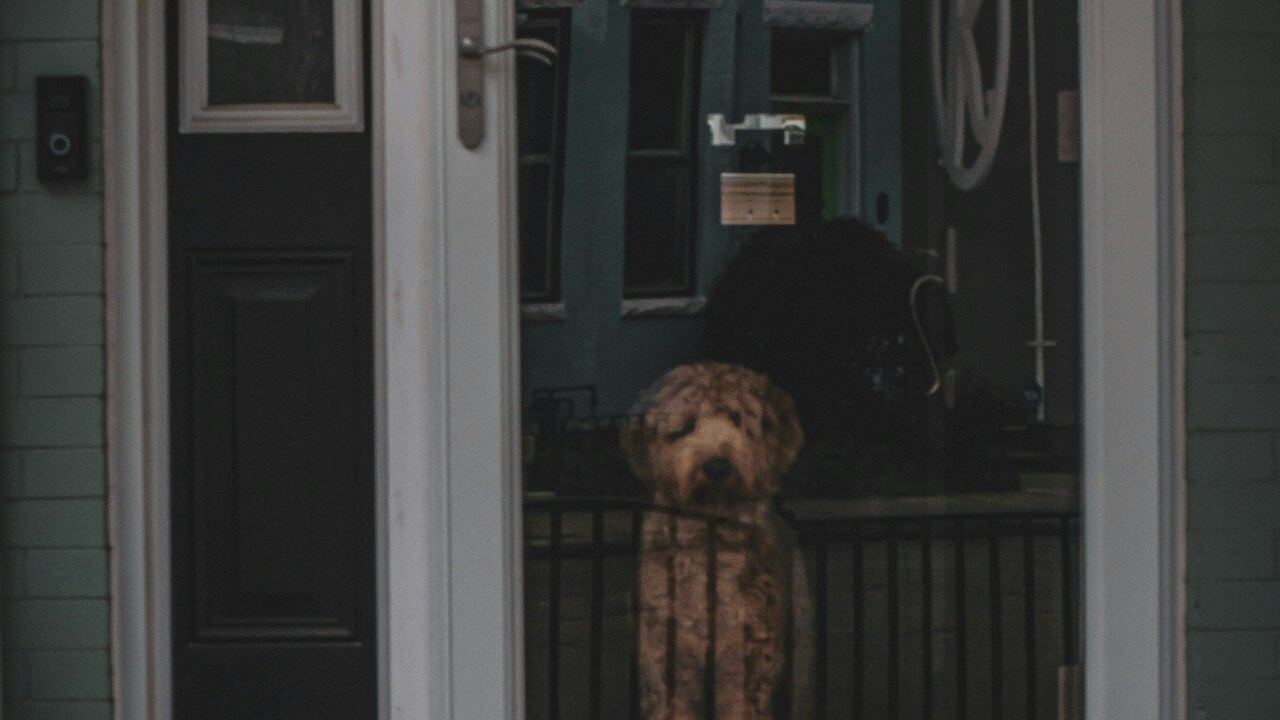
Daily exercise keeps dogs and cats settled and calm around children, and a workable routine fits the baby's schedule and the pet's energy level.
 Routine & Behavior
A new baby shifts routines, attention, and the home's noise level, and some pets show stress through clinginess, pacing, barking, or unwanted accidents.
 Routine & Behavior
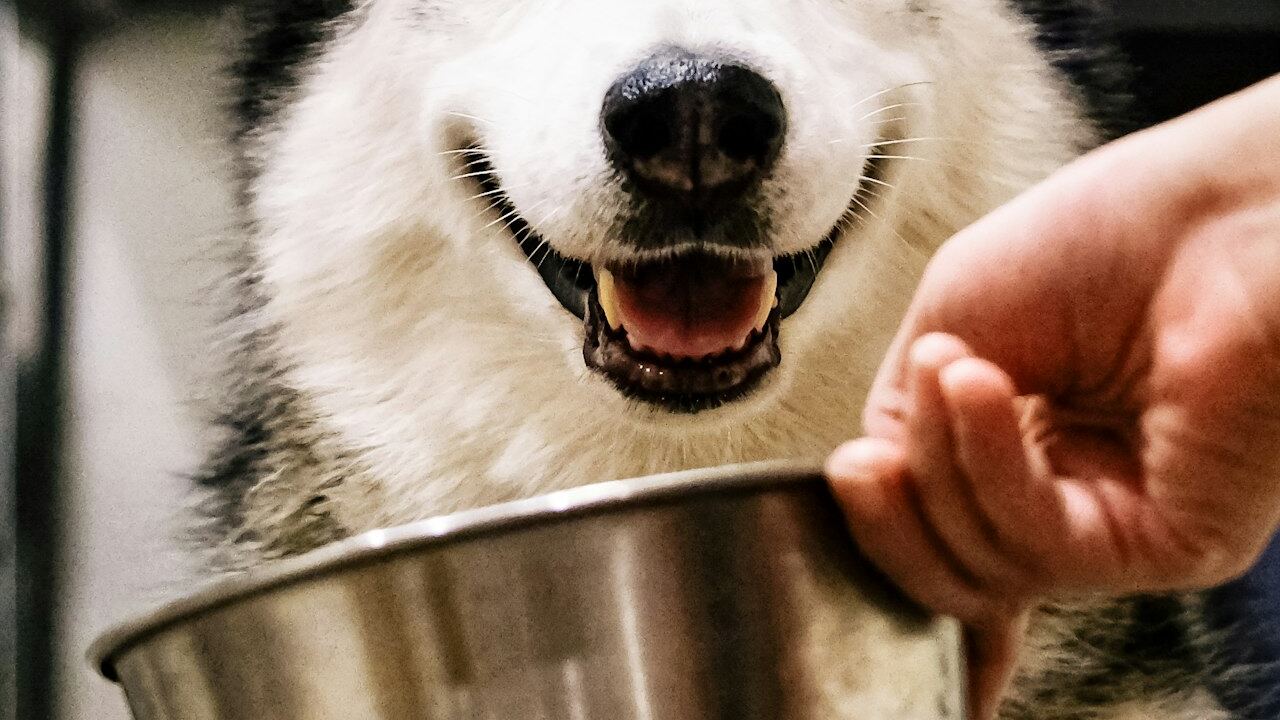
A predictable day keeps a pet calm and secure, and a newborn's demands can easily crowd out the walks, meals, and rest an animal relies on.
 Routine & Behavior
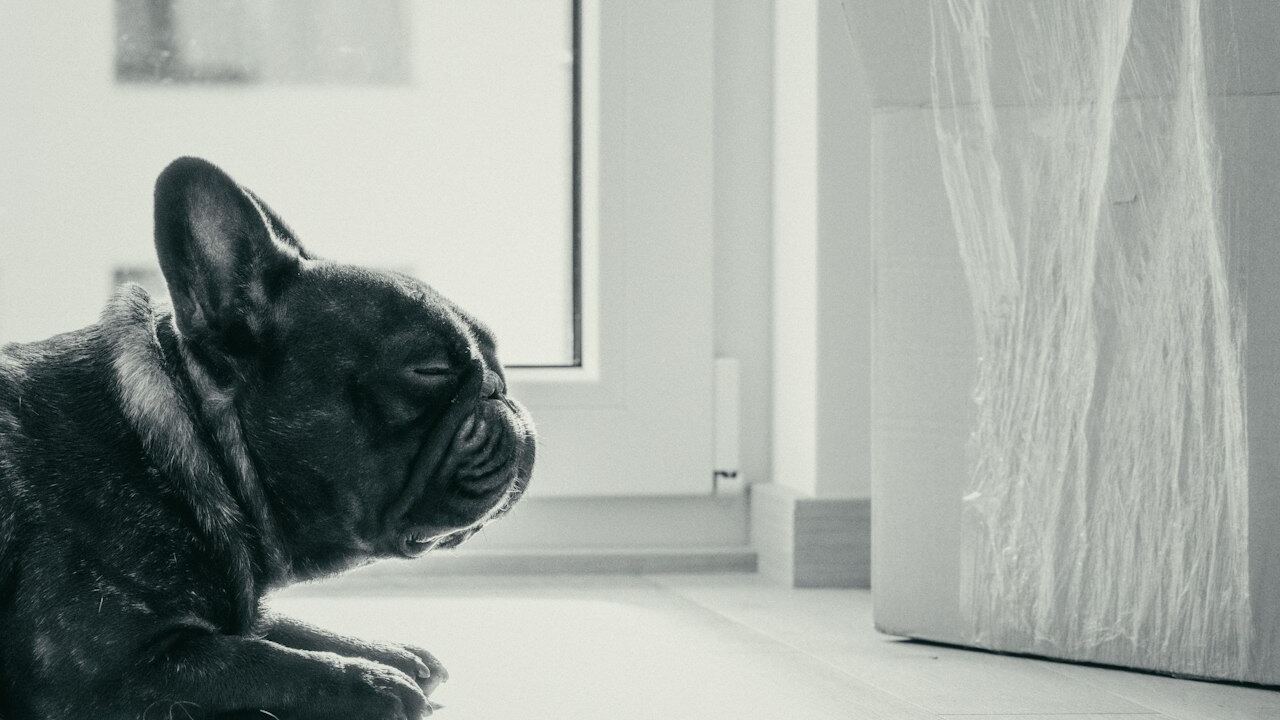
A home with two or more pets adds resource guarding, competition, and play that can turn rough around small kids.
 Routine & Behavior
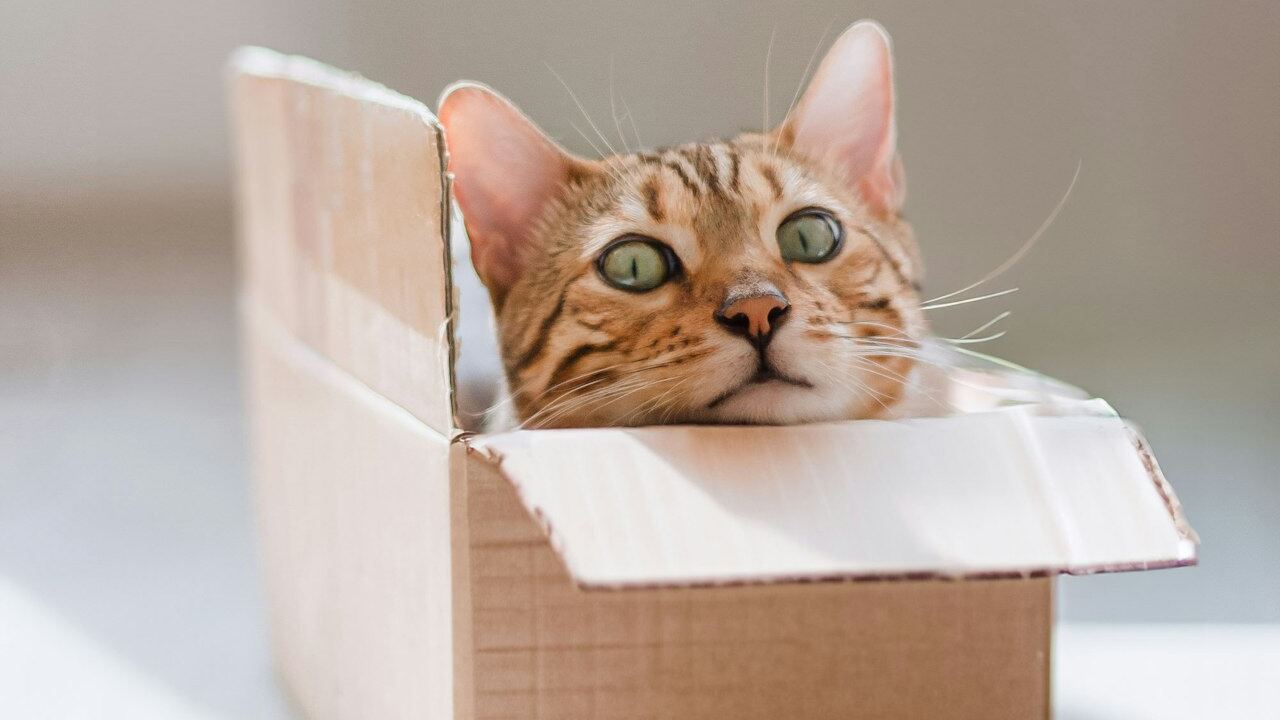
When parents are out for work, the pet's daytime needs meals, movement, company, and a safe space that does not compete with the child's home.
 Routine & Behavior
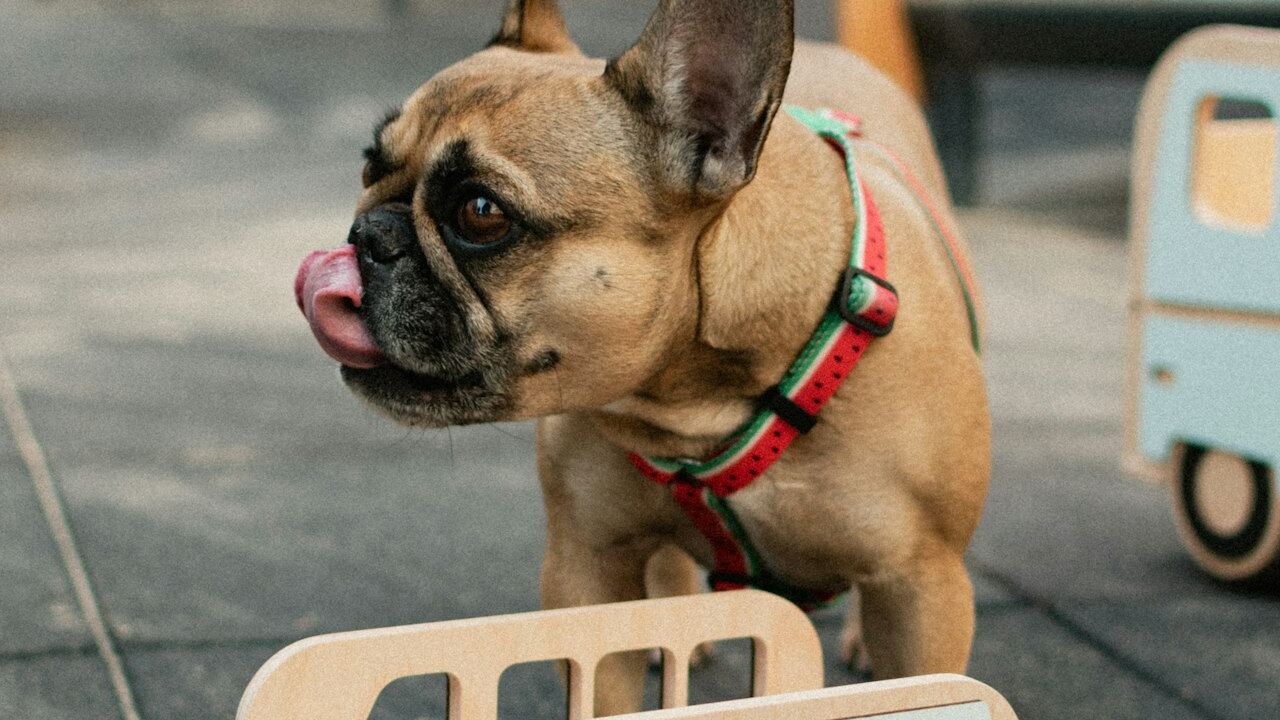
A move disrupts the home a pet knows; boxes, noise, and a new space can stress dogs and cats.
 Routine & Behavior
Trips, visits, and short separations need a plan that keeps the pet safe, cared for, and comfortable while the family is away.
 Routine & Behavior
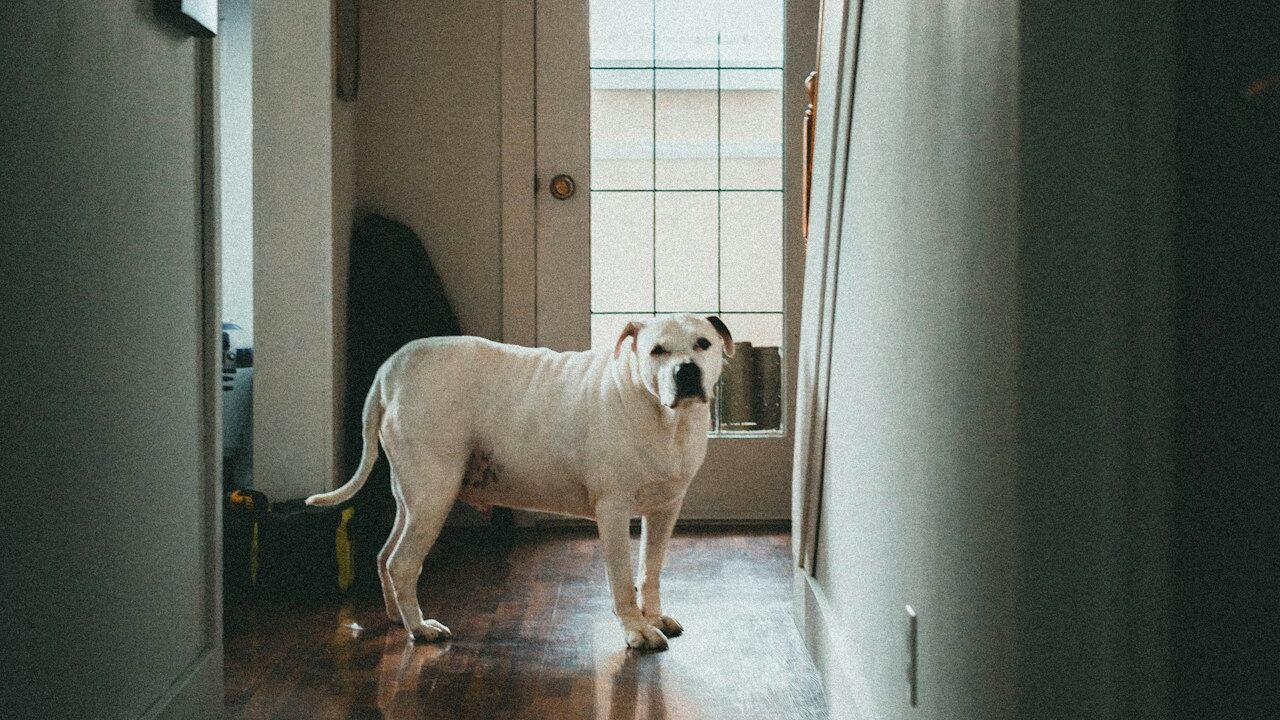
A baby's naps, feeds, and unsettled nights can disrupt a dog's exercise routine, but steady walks protect the pet's mood and behavior.
 Routine & Behavior
A busy, energetic dog can disrupt the newborn's rest and household rhythm if its exercise and stimulation are not planned.
 Routine & Behavior
Cats need daily movement and play to stay settled indoors, and a newborn's busy household can cut into that stimulation.
 Routine & Behavior
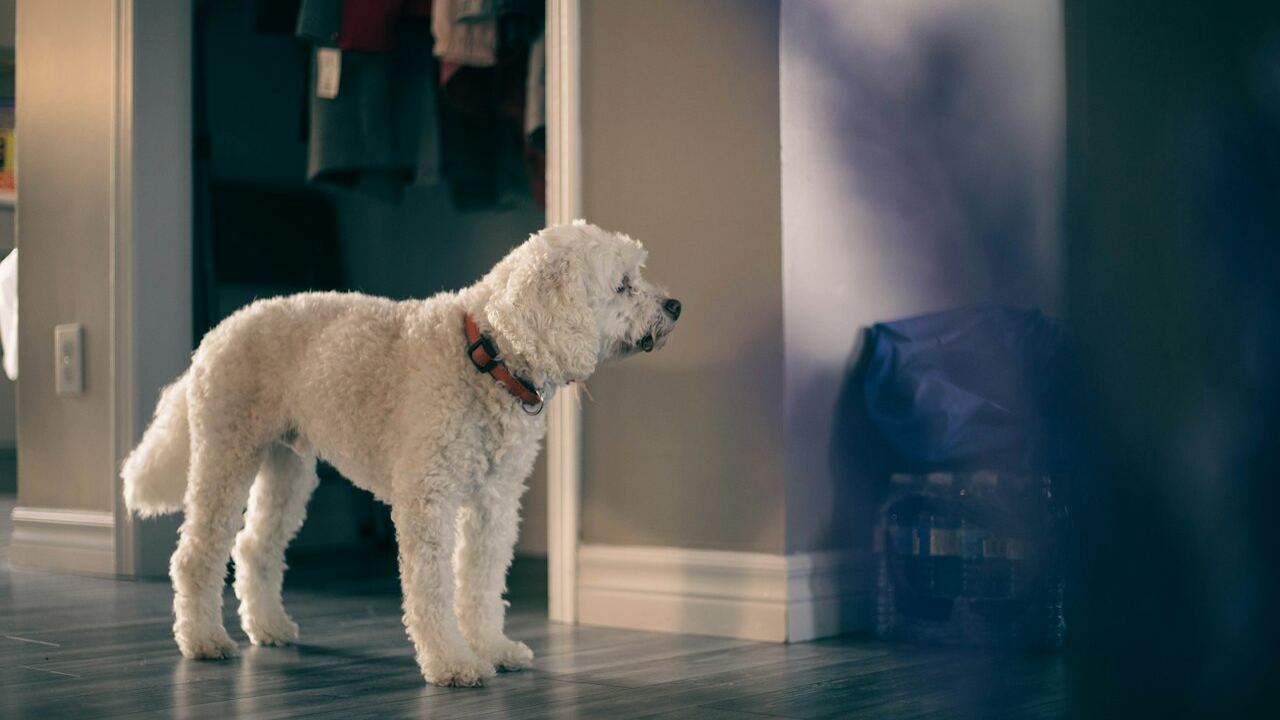
Pets can show stress when household attention and routine shift after a newborn, from pacing and clinging to accidents or destruction.
 Routine & Behavior
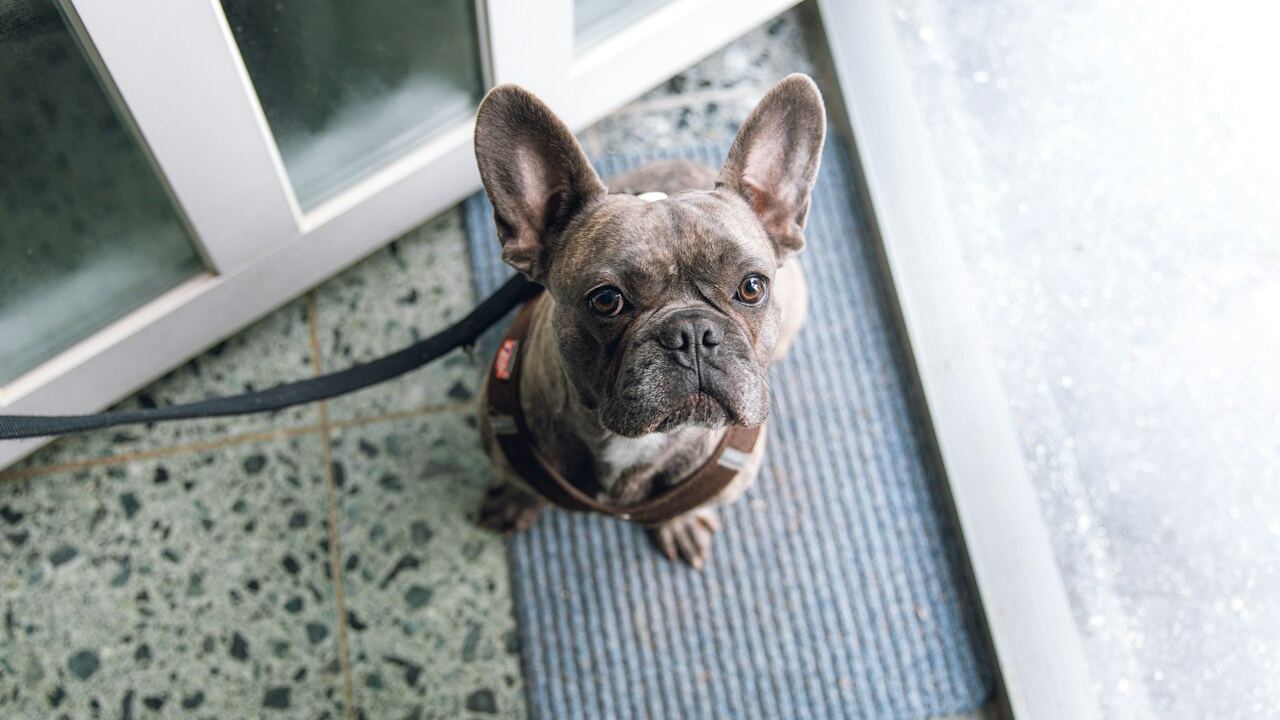
A steady, predictable plan helps a stressed pet feel safe at home: protected retreat, maintained routine, calm departures, and gradual practice.
 Routine & Behavior
A newborn's feeds, naps, and unsettled nights can disrupt the pet's meals, walks, and rest, which often shows up as stress or acting out.
 Routine & Behavior
A home with several dogs, cats, or mixed species needs clear space, feeding separation, and supervised contact to keep everyone settled.
 Routine & Behavior
Bringing a second pet home needs a slow, structured introduction so the resident animal and children feel secure.
 Routine & Behavior
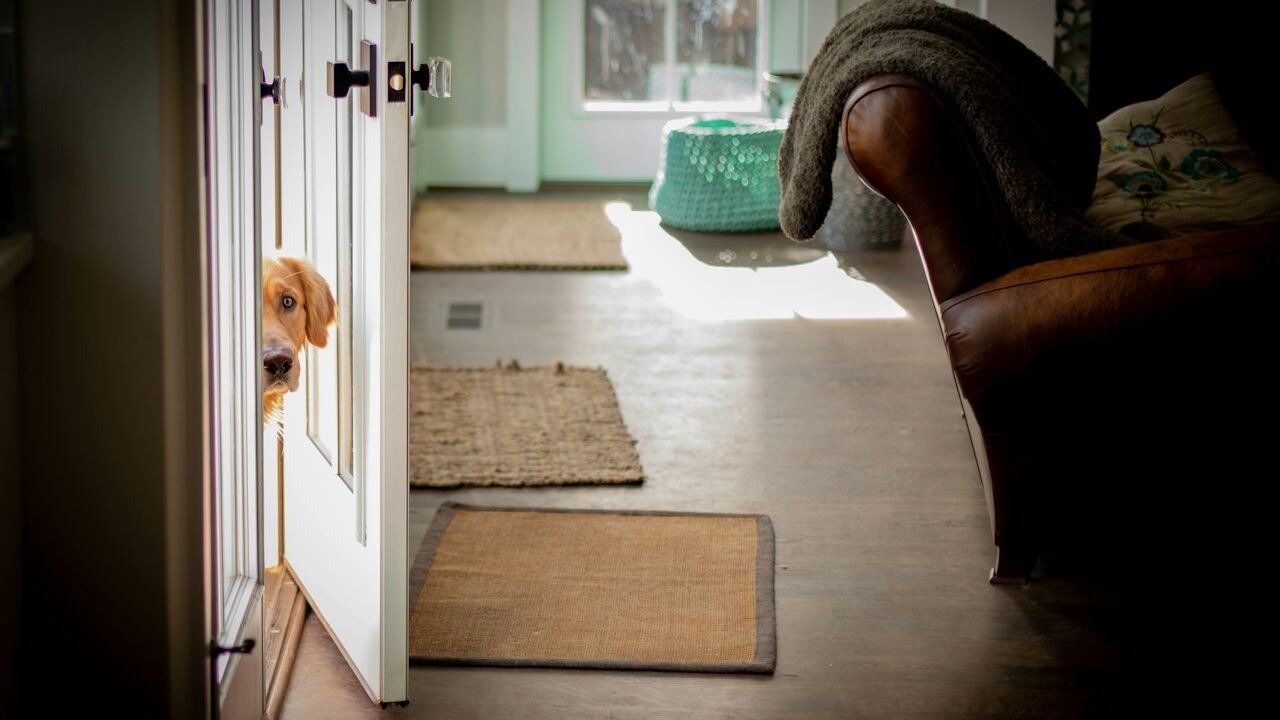
Parents out at work still need to cover feeding, exercise, rest, and comfort for the pet, often with a baby or young children at home.
 Routine & Behavior
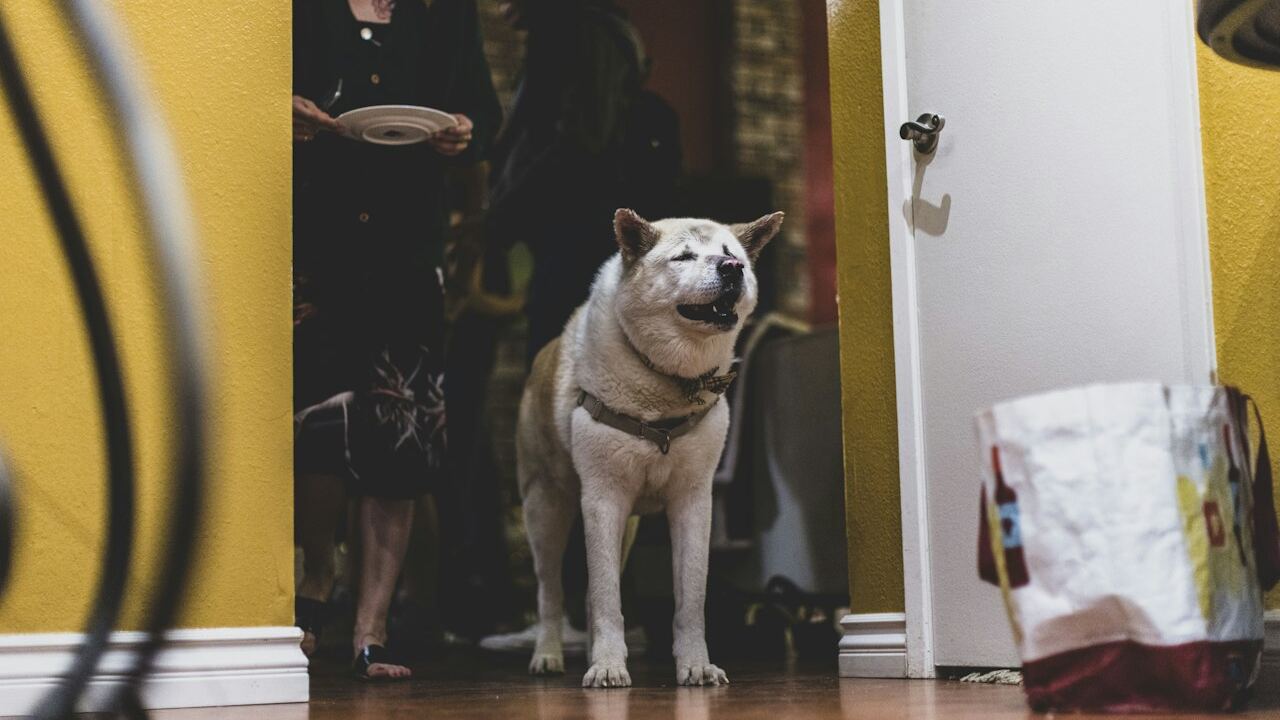
A long day away from home can leave a pet under-exercised, bored, or anxious, especially with young children in the home.
 Routine & Behavior
A move disrupts a pet's familiar territory, routine, and scent, which can show as stress, hiding, or restlessness.
 Routine & Behavior
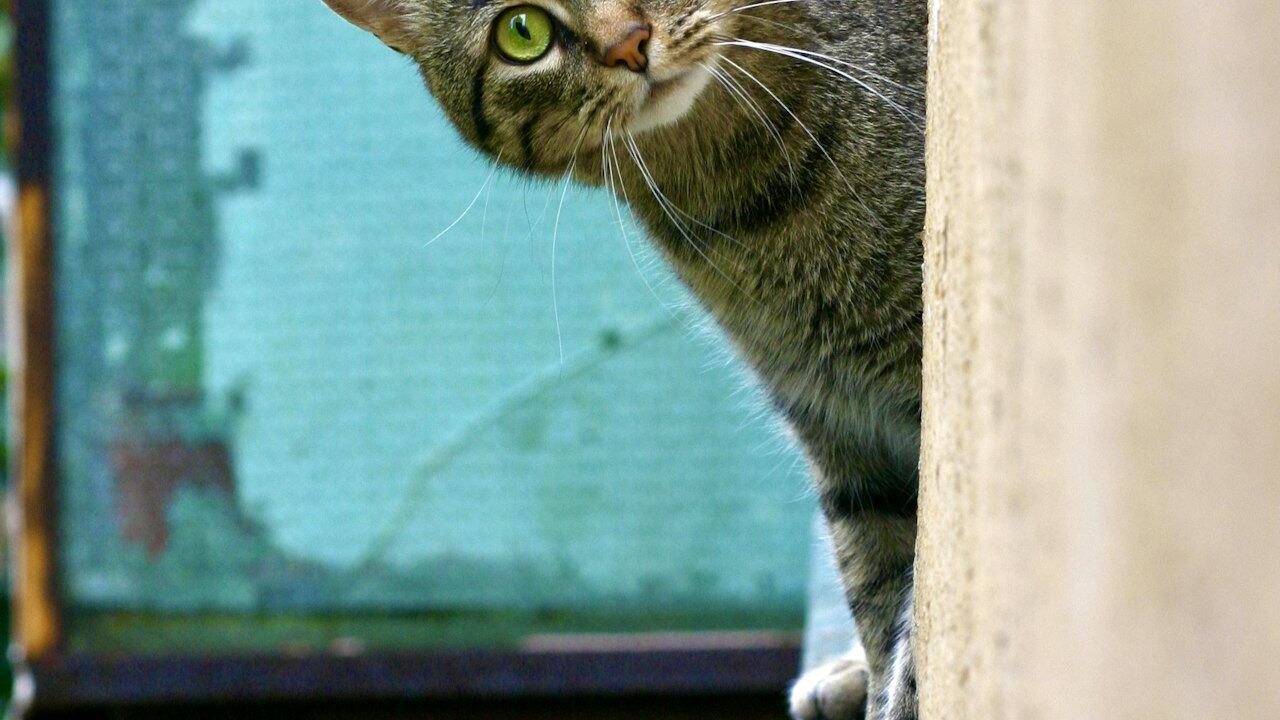
When the family travels, pets need safe, trusted care that matches their species, age, and comfort.
 Routine & Behavior
Trips with a dog or cat need planning around transport, comfort, rest, and supplies, especially when young children are along.
 Routine & Behavior
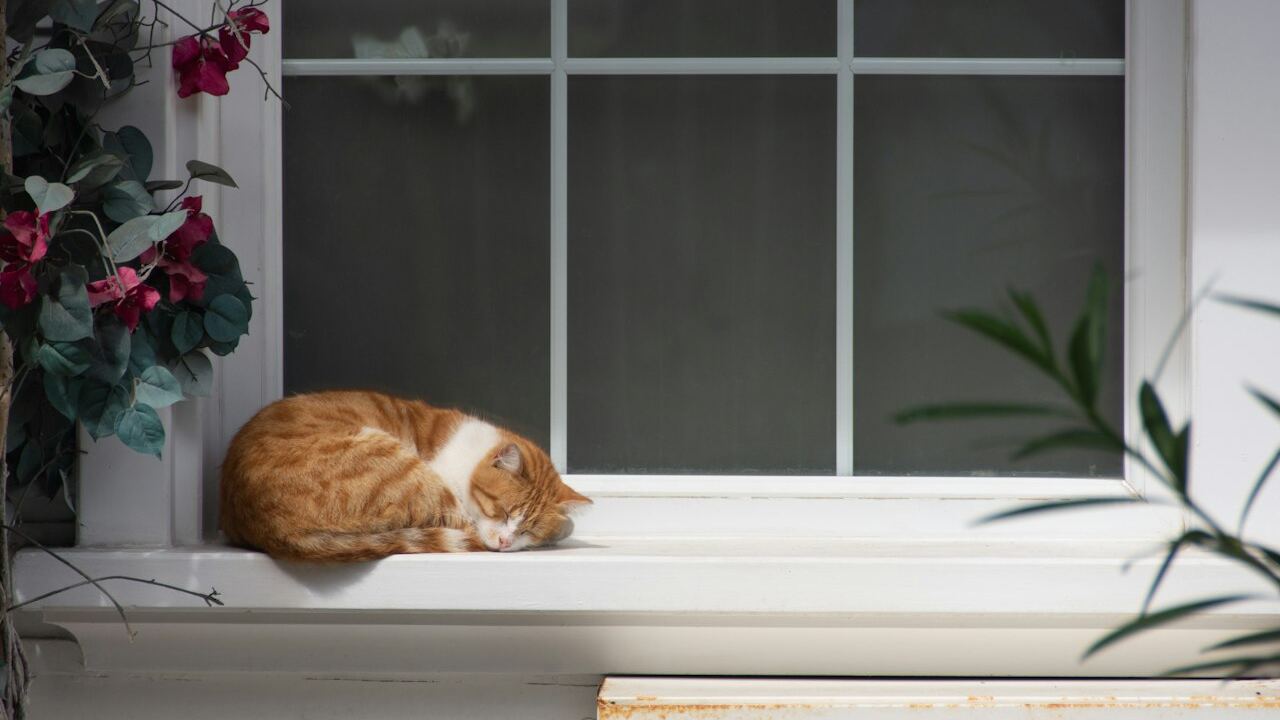
A family trip means choosing whether the pet travels, stays with a sitter, or boards, based on the animal's comfort and the vacation's demands.
 Routine & Behavior
New babies, moves, schedules, or added animals can shift a pet's predictable rhythm, and stress may appear as restlessness, withdrawal, or household accidents.
Empathy, responsibility, age-appropriate care, emotional support and grief.
 Bonding & Growth
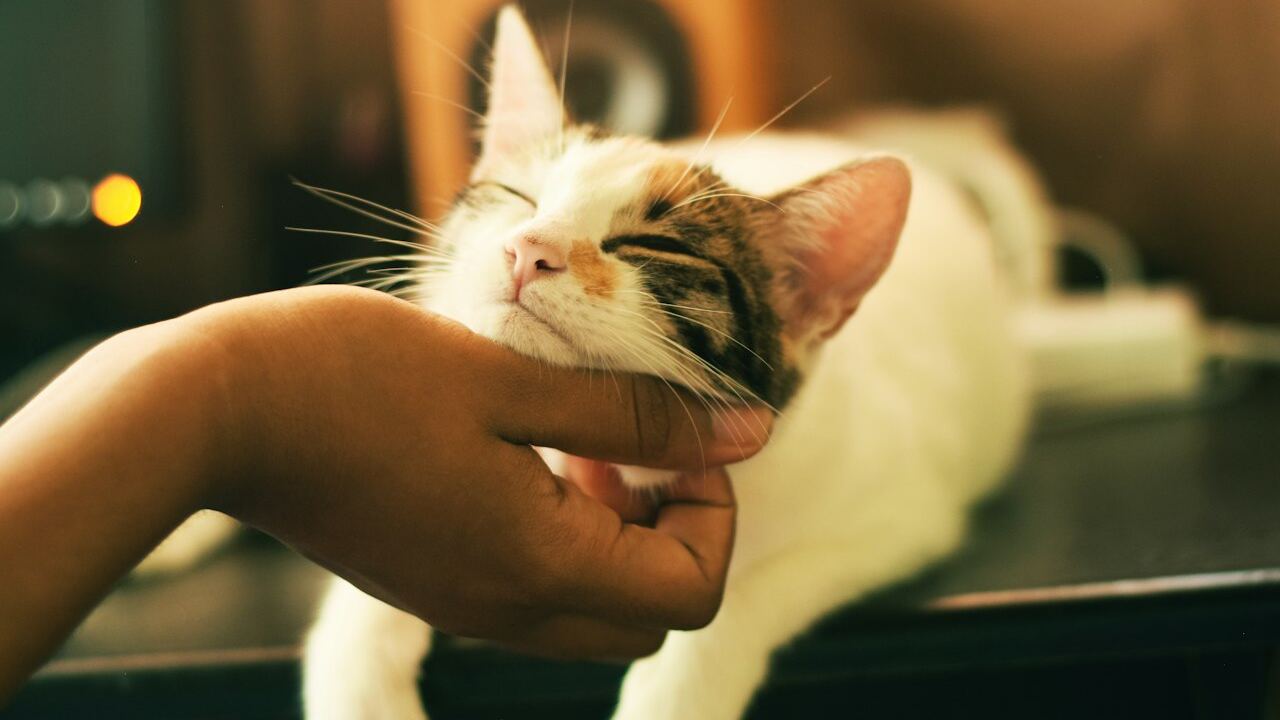
Caring for an animal gives children practice in noticing another being's needs, feelings, and boundaries.
 Bonding & Growth
Looking after a pet builds responsibility and a close bond, but tasks must match what a child can safely do.
 Bonding & Growth
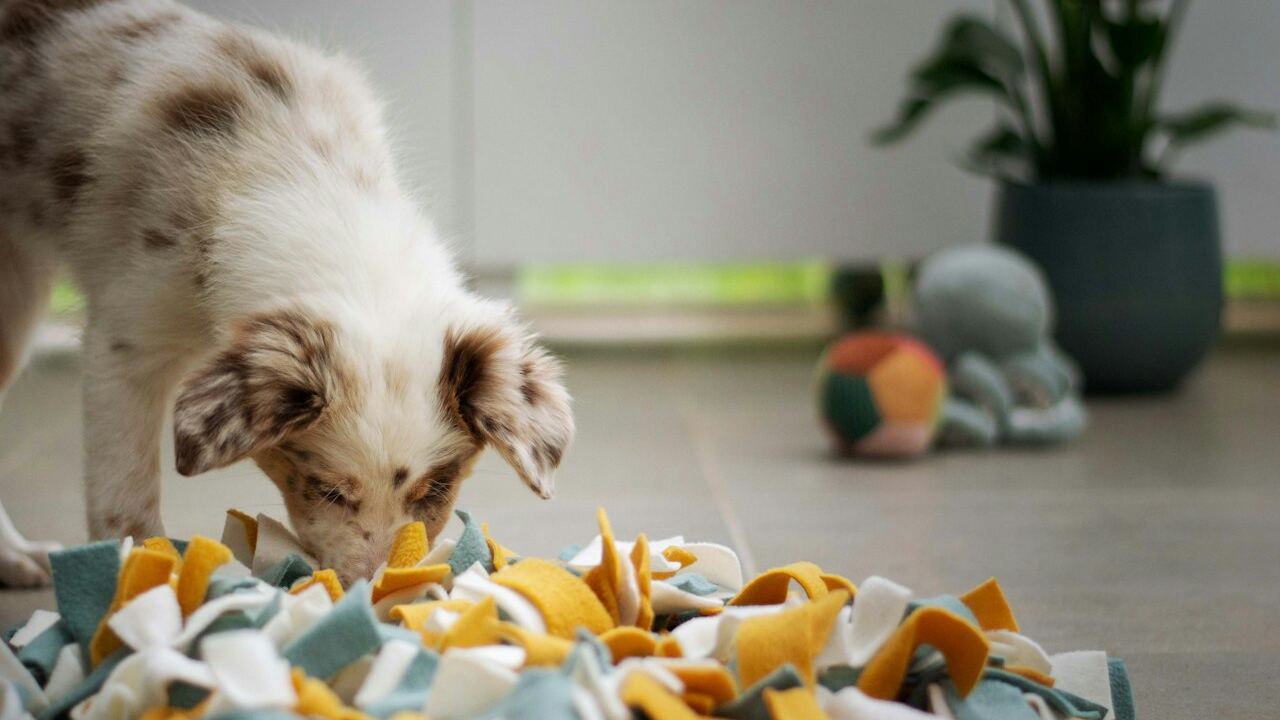
Shared gentle play helps children and pets build trust, burn energy, and enjoy time together.
 Bonding & Growth
Children often turn to a pet for comfort, quiet company, and a nonjudgmental listener.
 Bonding & Growth
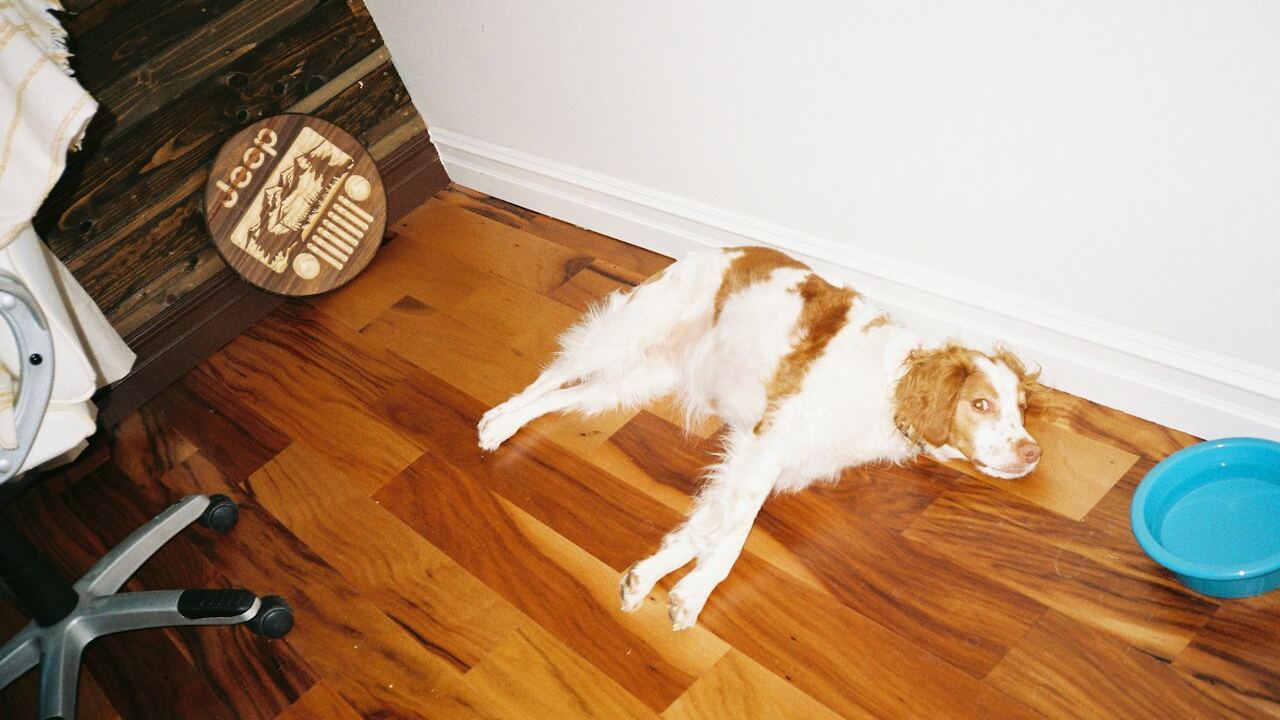
A steady daily routine turns a child and pet into a bonded pair that shares space, play, and quiet time.
 Bonding & Growth
As a pet slows down, develops health needs, or changes its routine, children notice the differences.
 Bonding & Growth
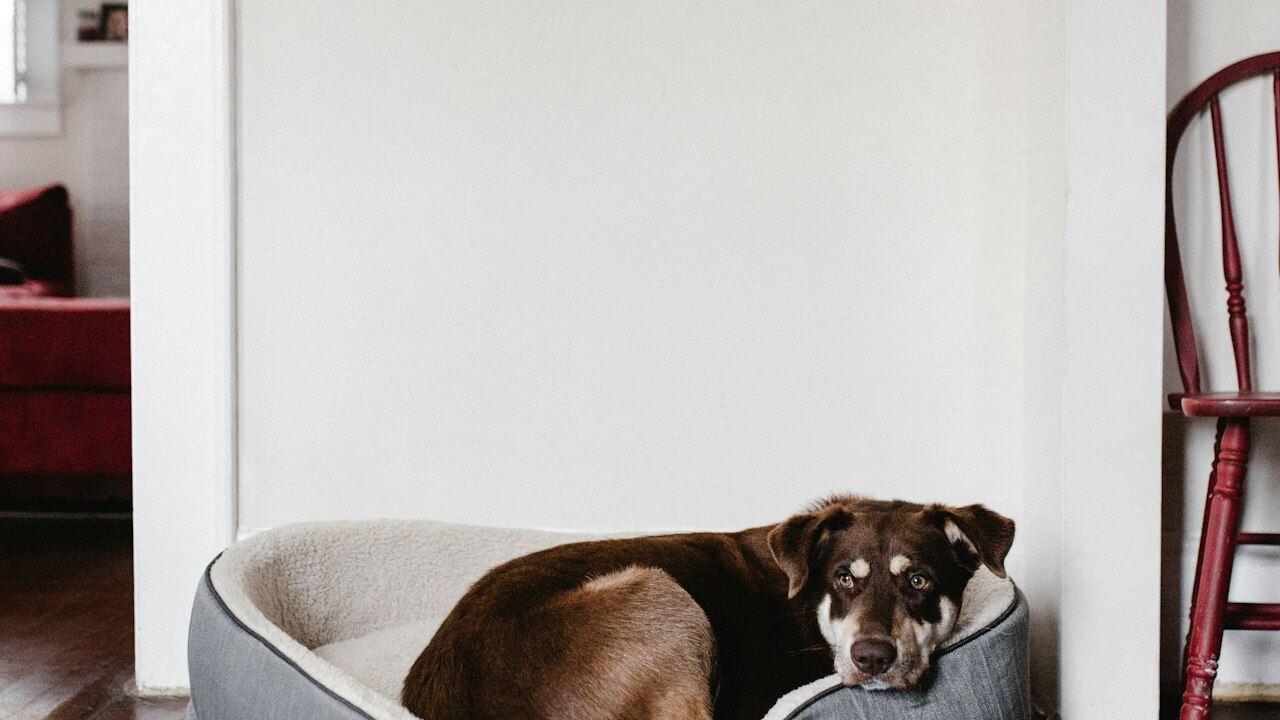
A pet’s death can be a child’s first real grief, and it deserves honest, gentle support.
 Bonding & Growth
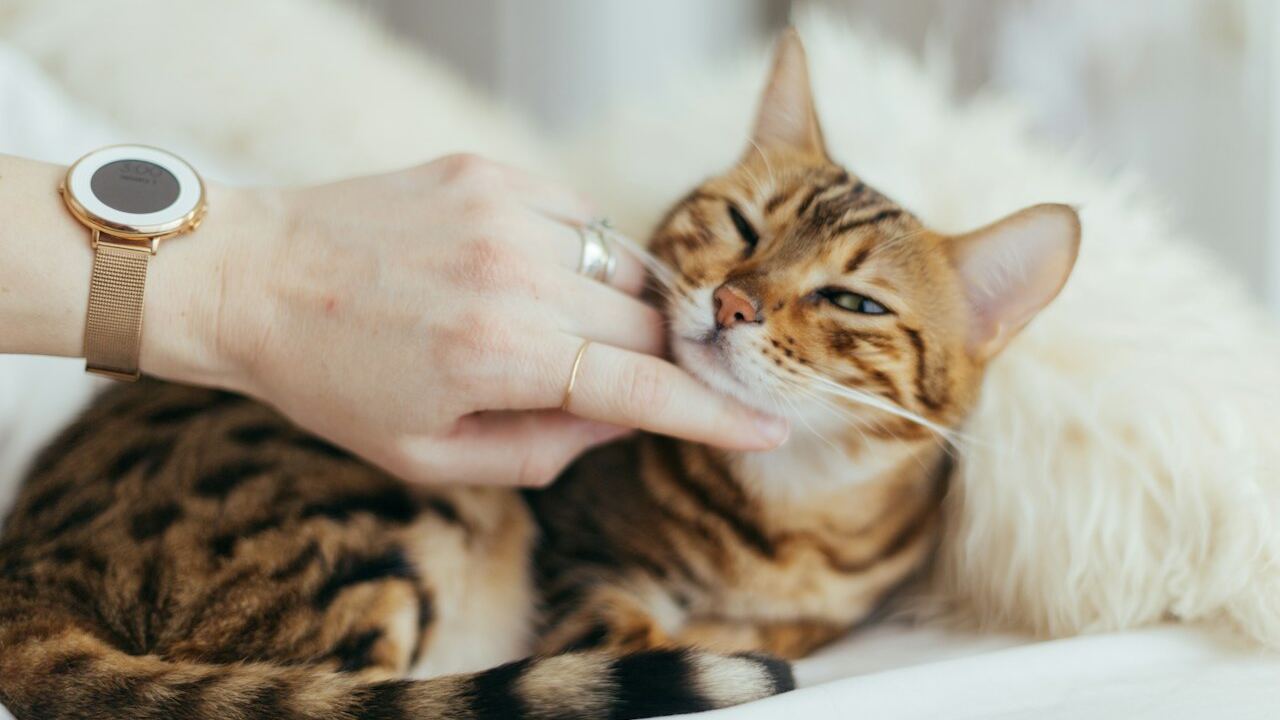
Some well-meaning choices weaken the bond between a child and pet: forced closeness, rough play, ignored stress, or treating the animal as a toy.
 Bonding & Growth
Caring for an animal teaches children to notice another being's needs, read signals, and respond with kindness.
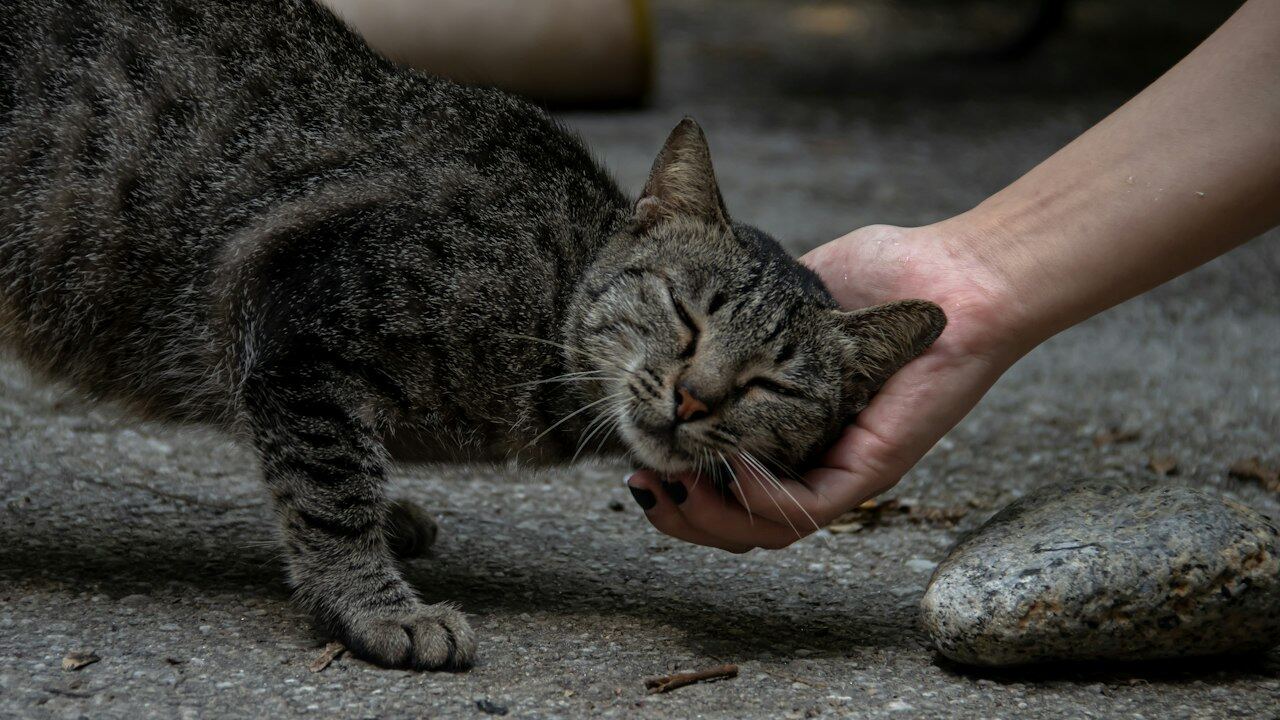 Bonding & Growth
Sharing pet care helps children build responsibility and closeness, but tasks must match the child's age and the pet's comfort.
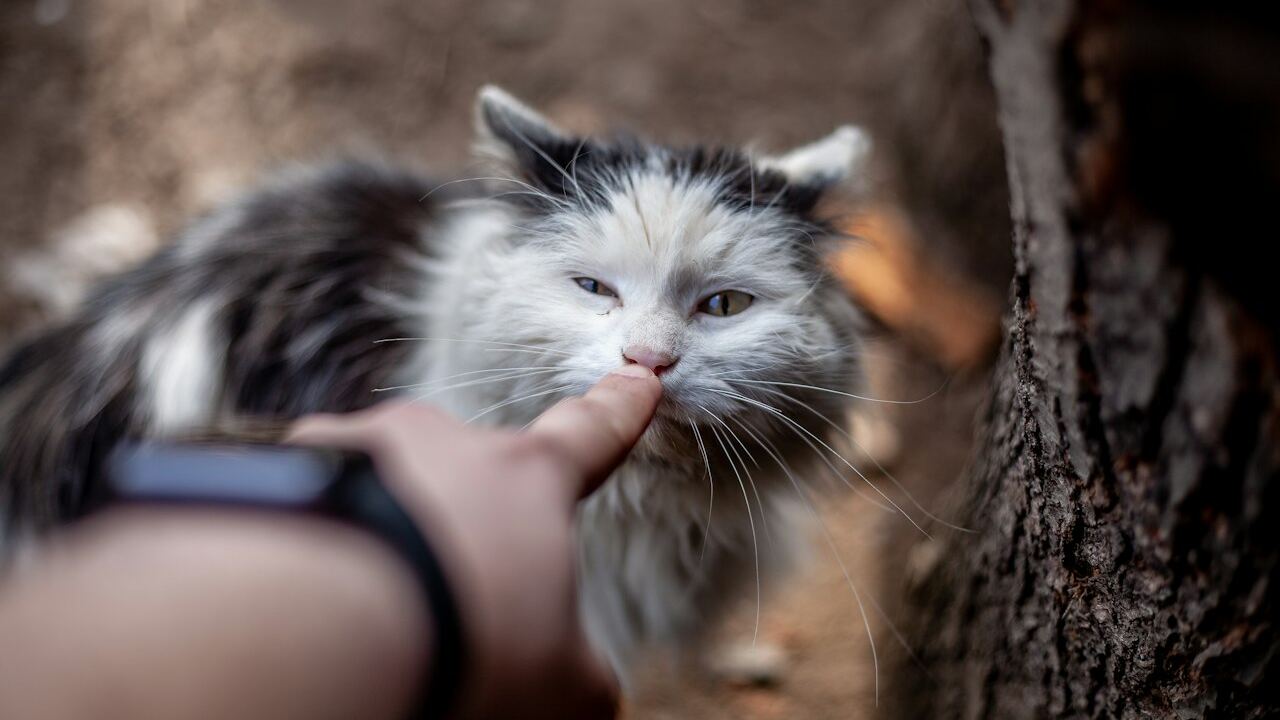 Bonding & Growth
Shared calm activities with the family pet build closeness between parents, children, and the animal.
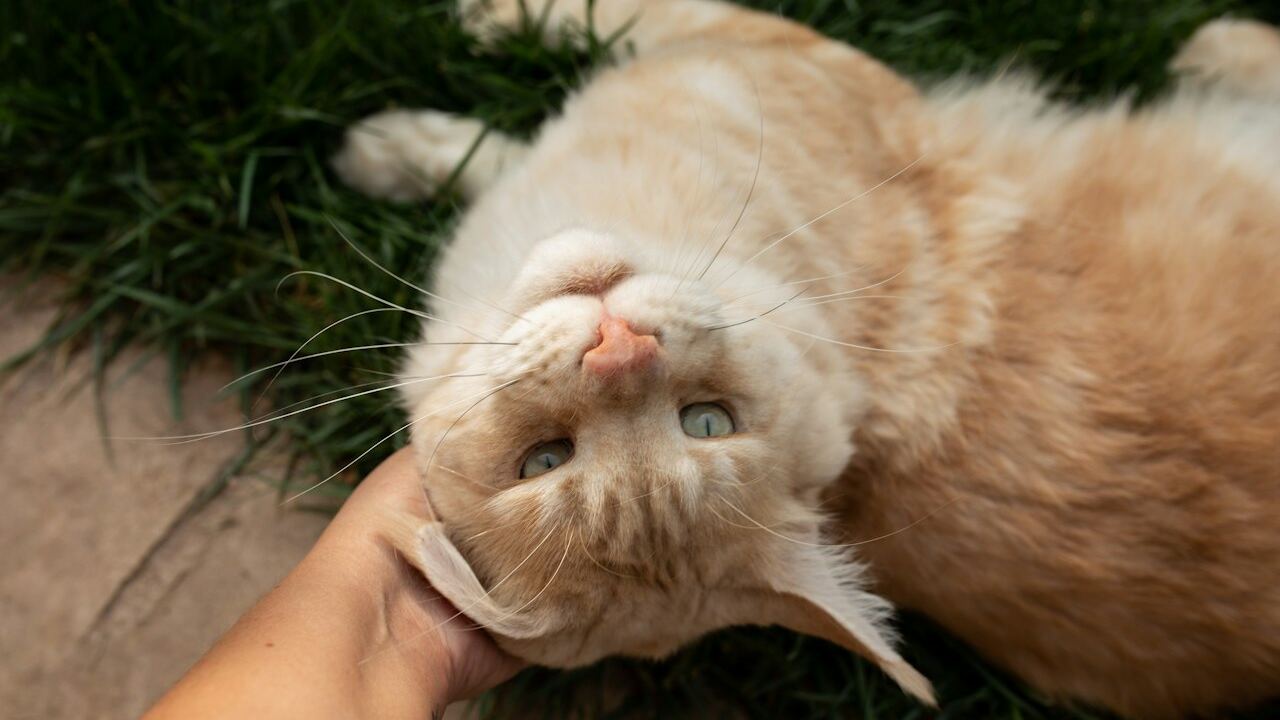 Bonding & Growth
Pets can offer steady comfort and companionship to children, especially during busy or unsettled periods.
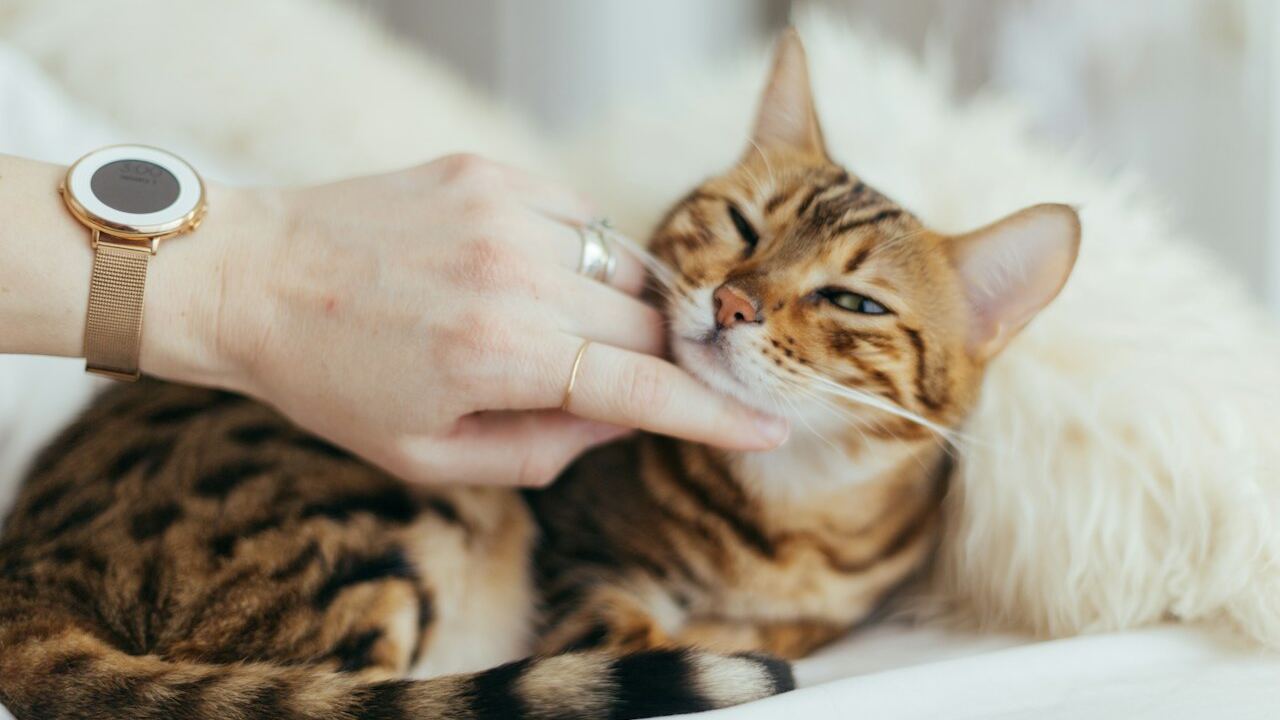 Bonding & Growth
A pet feels like a real family member through steady daily rituals: meals, walks, care, and quiet time together.
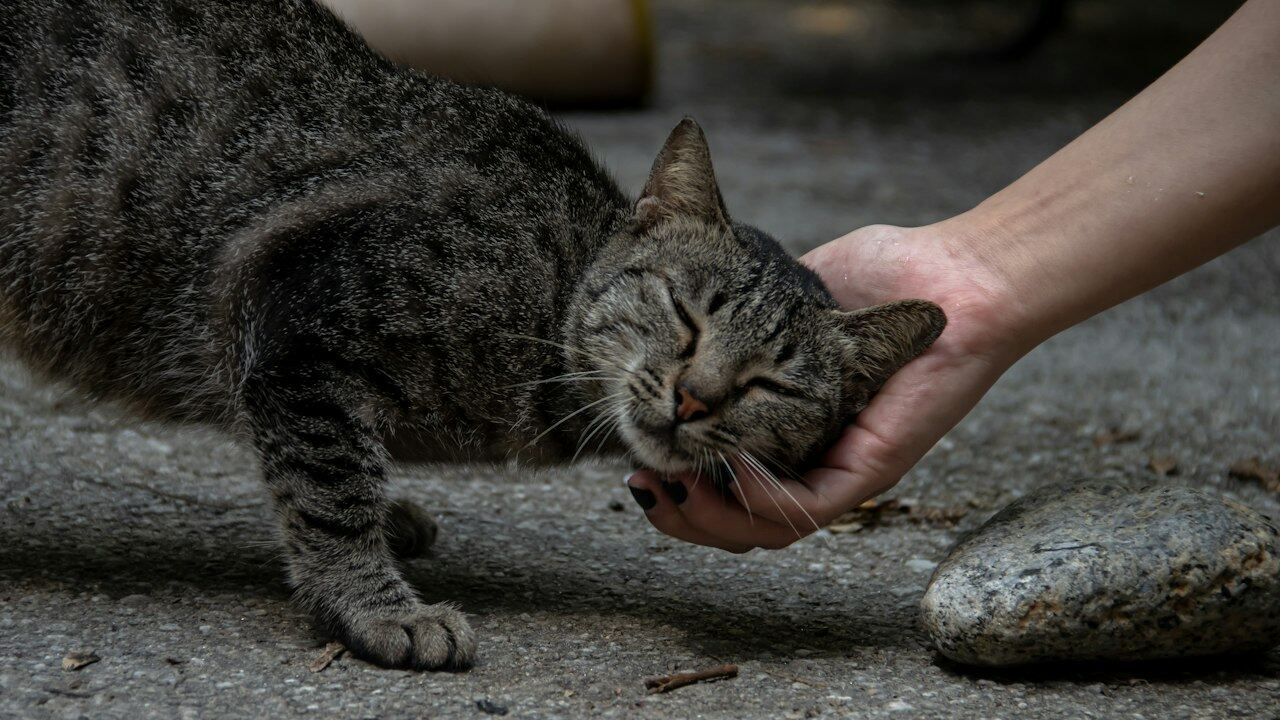 Bonding & Growth
A shy pet takes time to trust new people, and children need patient, low-pressure contact rather than chasing or cuddling.
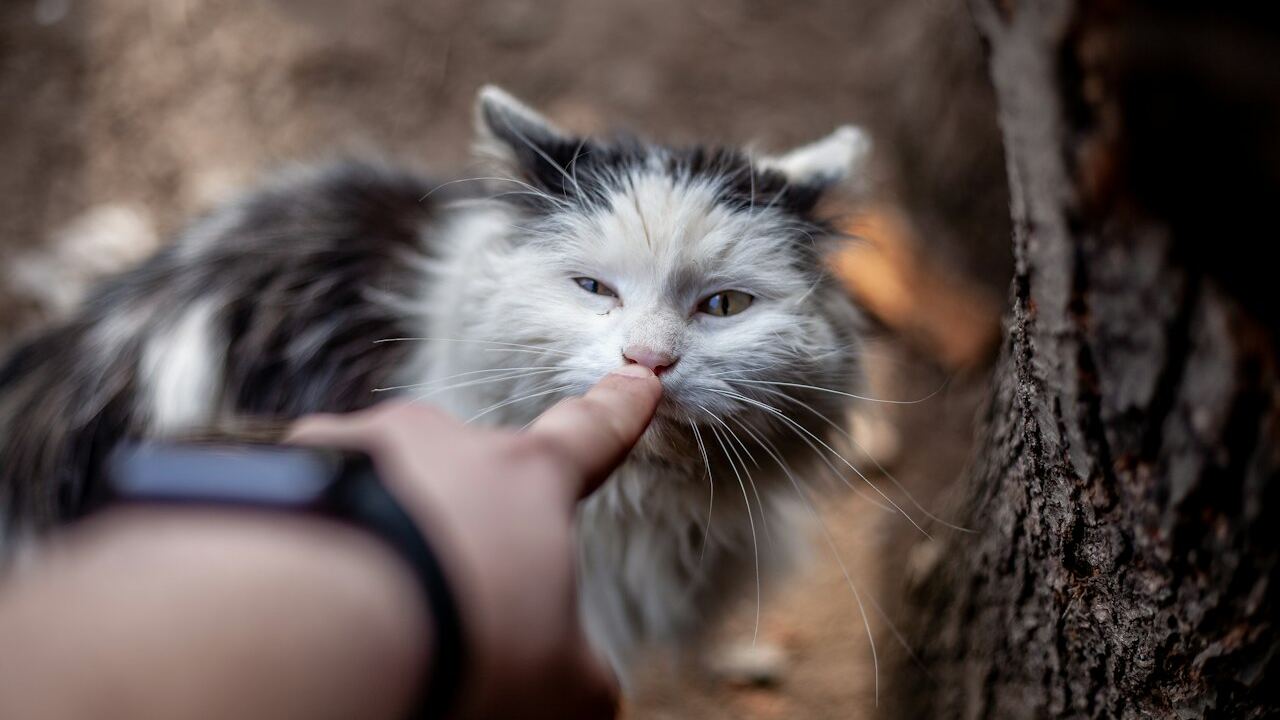 Bonding & Growth
As a dog or cat grows older, children may notice slower movement, quieter play, and changing needs.
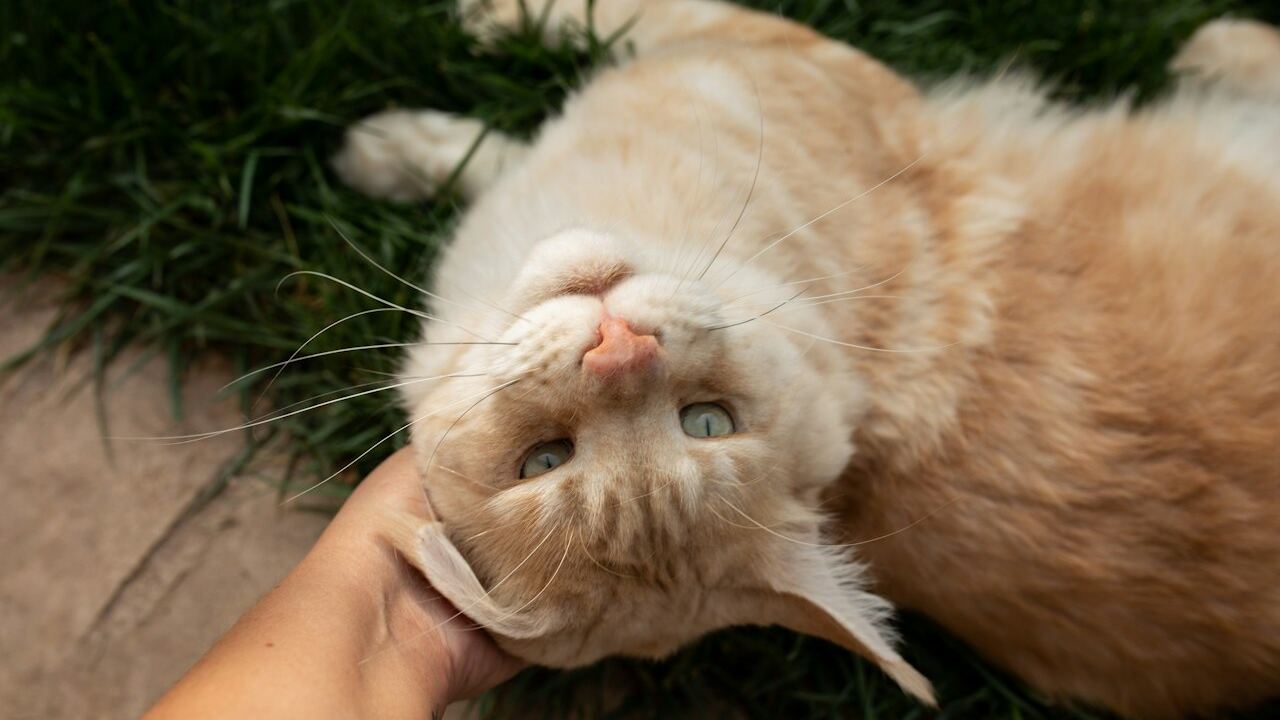 Bonding & Growth
Losing a family pet can be a child's first real experience of death and sadness.
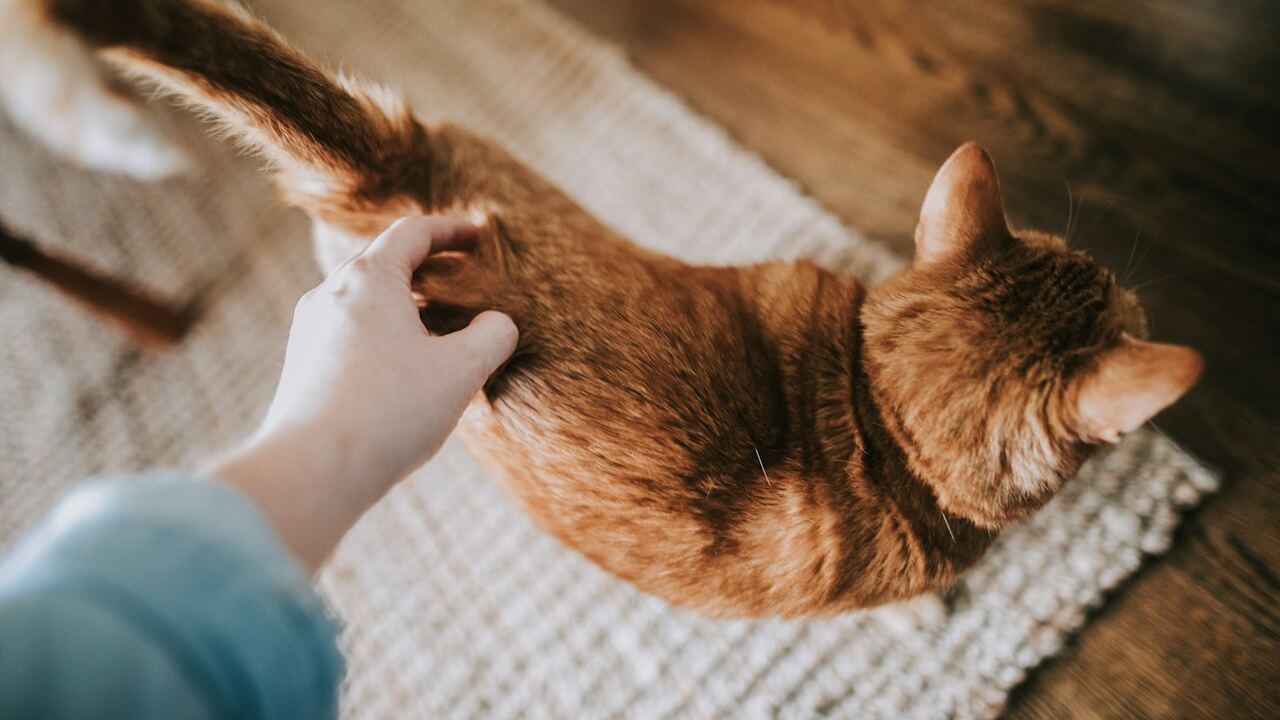 Bonding & Growth
Simple family tributes and keepsakes help children keep the bond with a departed pet in a warm, settled way.
 Bonding & Growth
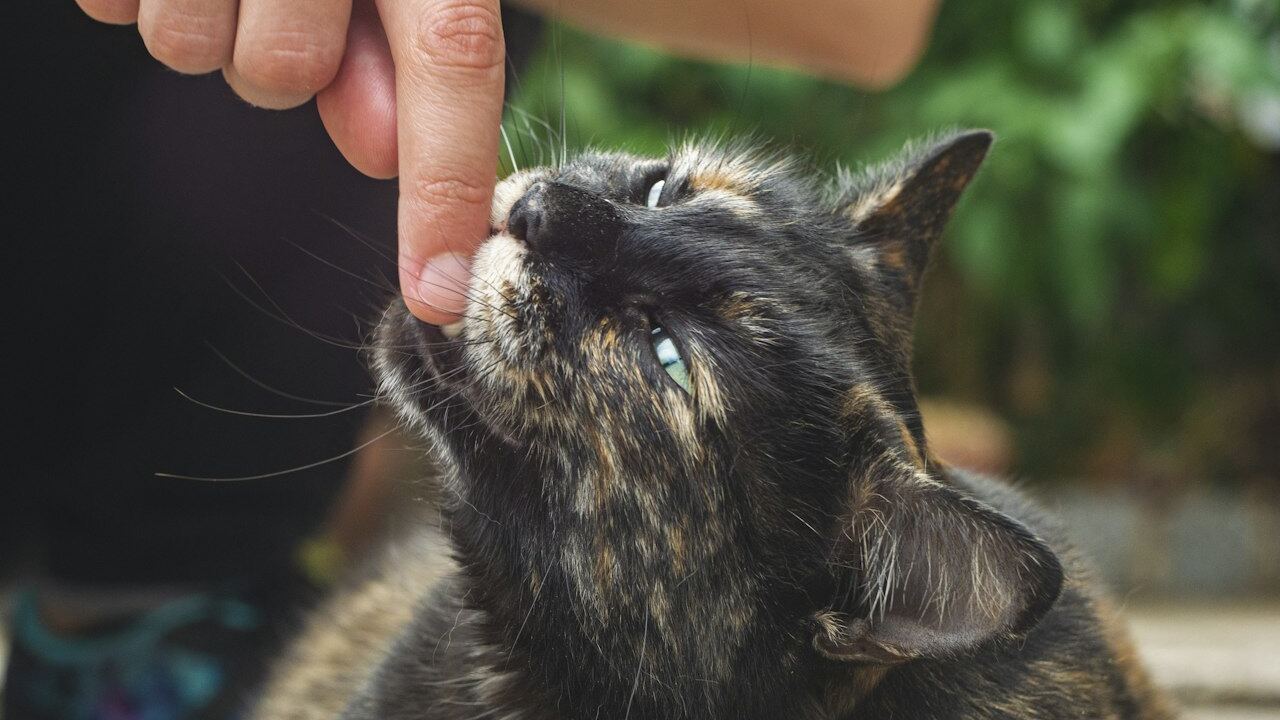
Well-meaning choices can leave a pet stressed or disconnected from the family, from unsupervised rough play to ignoring the animal's signals.
 Bonding & Growth
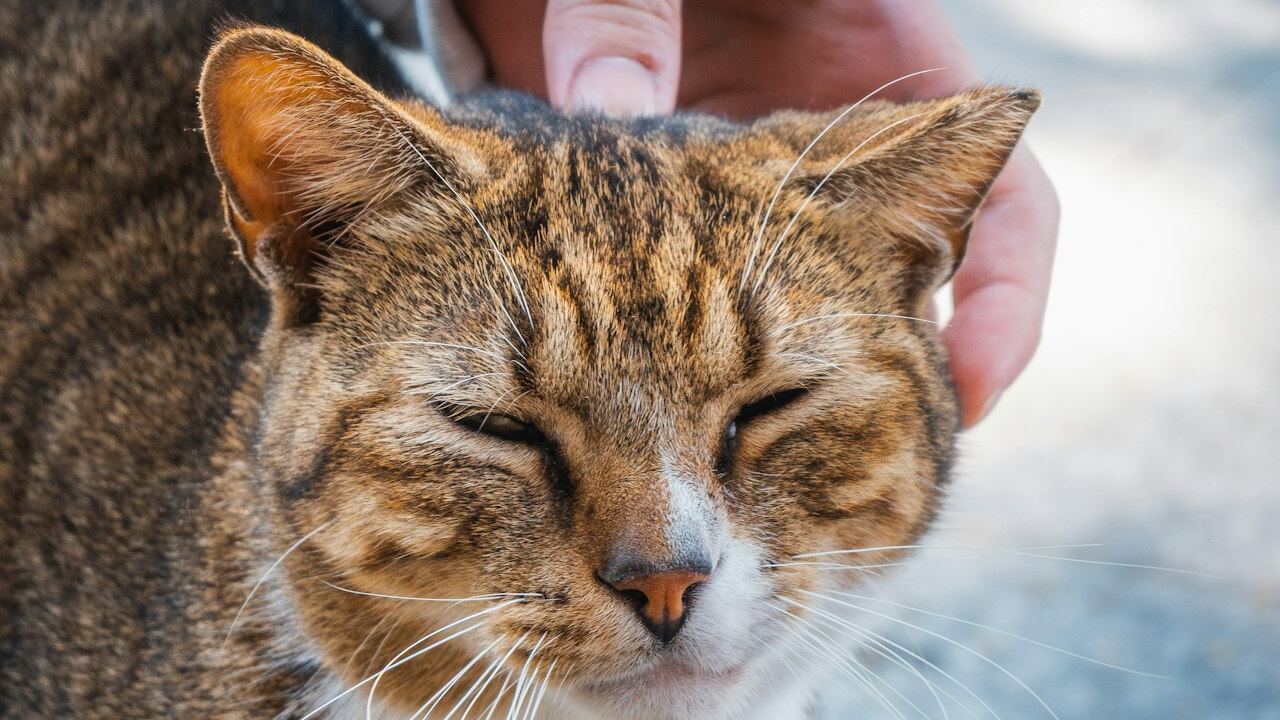
A pet's comfort, trust, and bond with the family show through body language, approach, and how it responds to the children.
 Bonding & Growth
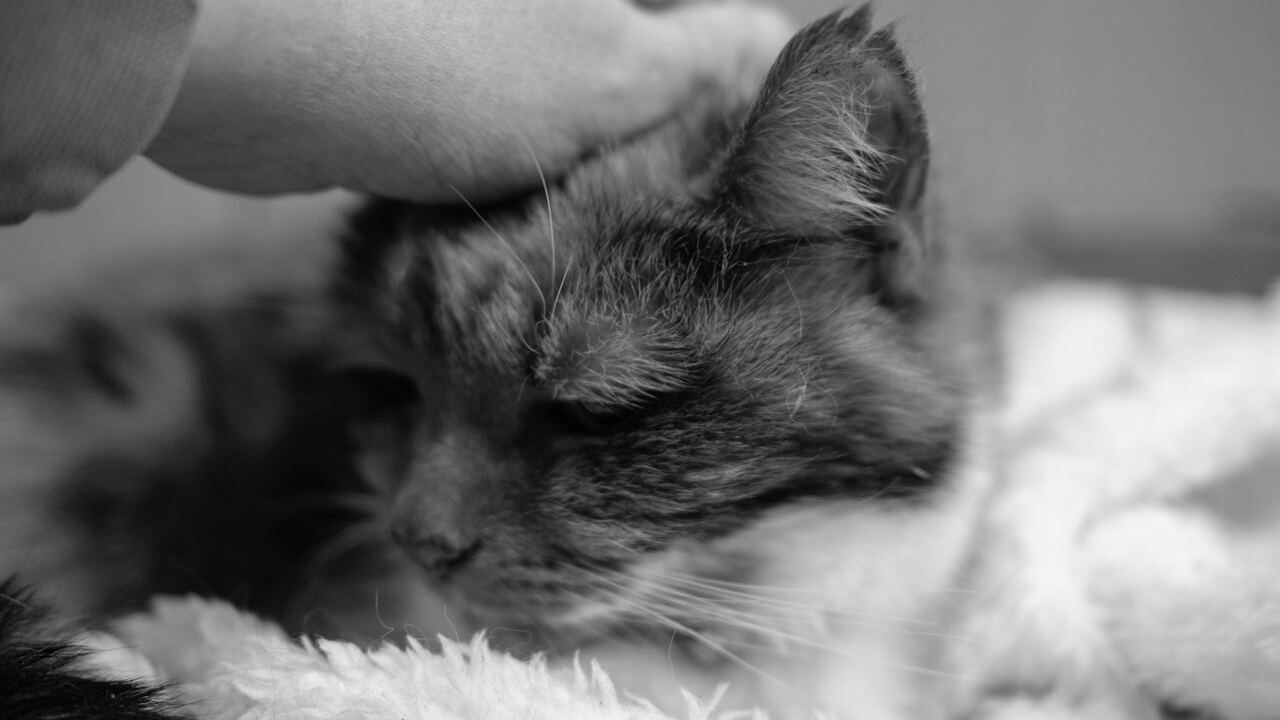
Responsibility toward a pet builds gradually as the child matures, with adults holding the safety and medical decisions.
 Bonding & Growth
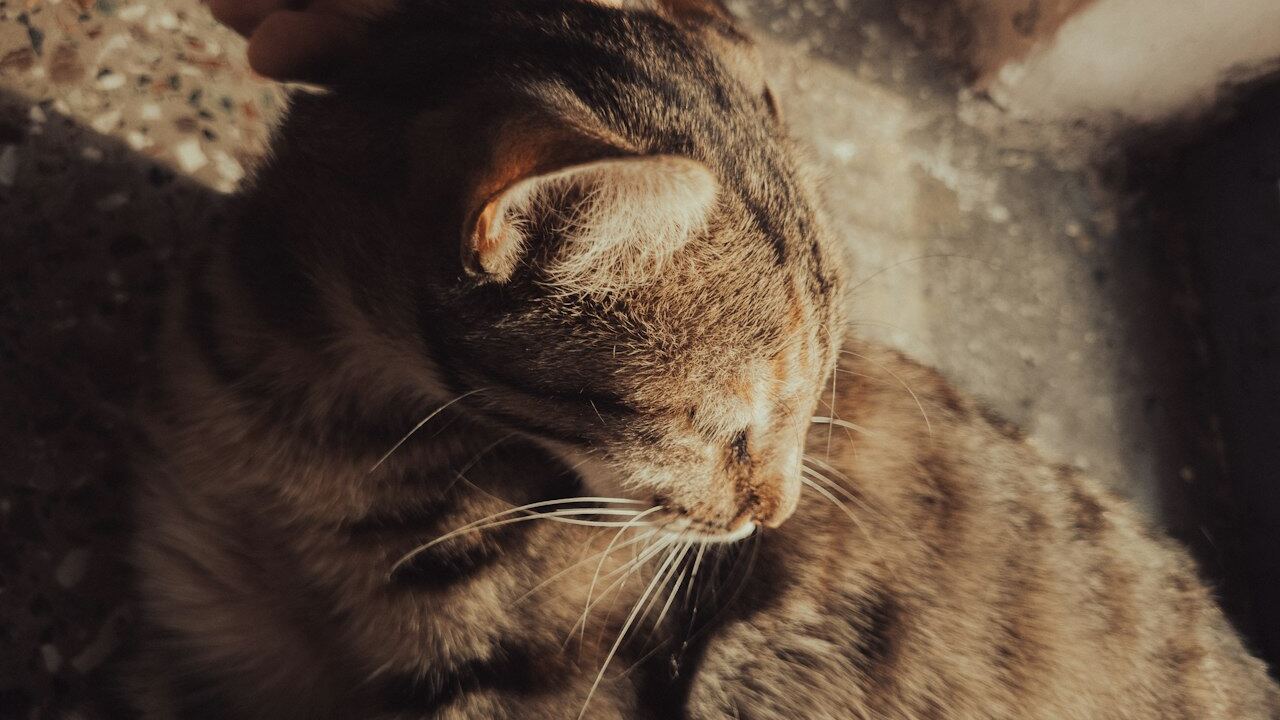
Calm, kind play keeps the child-pet bond positive and prevents the roughhousing that leads to warnings.
 Bonding & Growth
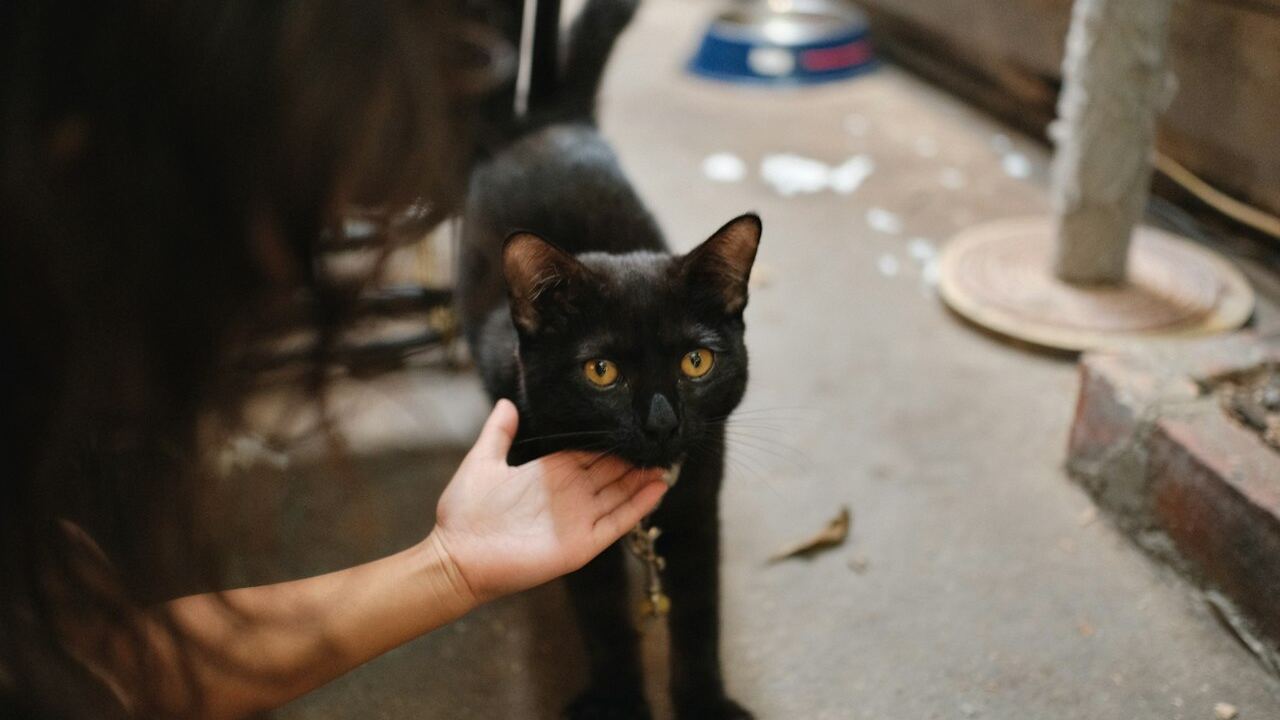
A reserved or nervous animal trusts slowly, and children need patience, quiet space, and no pressure to be affectionate.
 Bonding & Growth
A strong child-pet bond should respect the animal's rest, signals, and personal space, not treat the pet as a toy for the child.