Signs of Separation Anxiety in Pets After a Baby
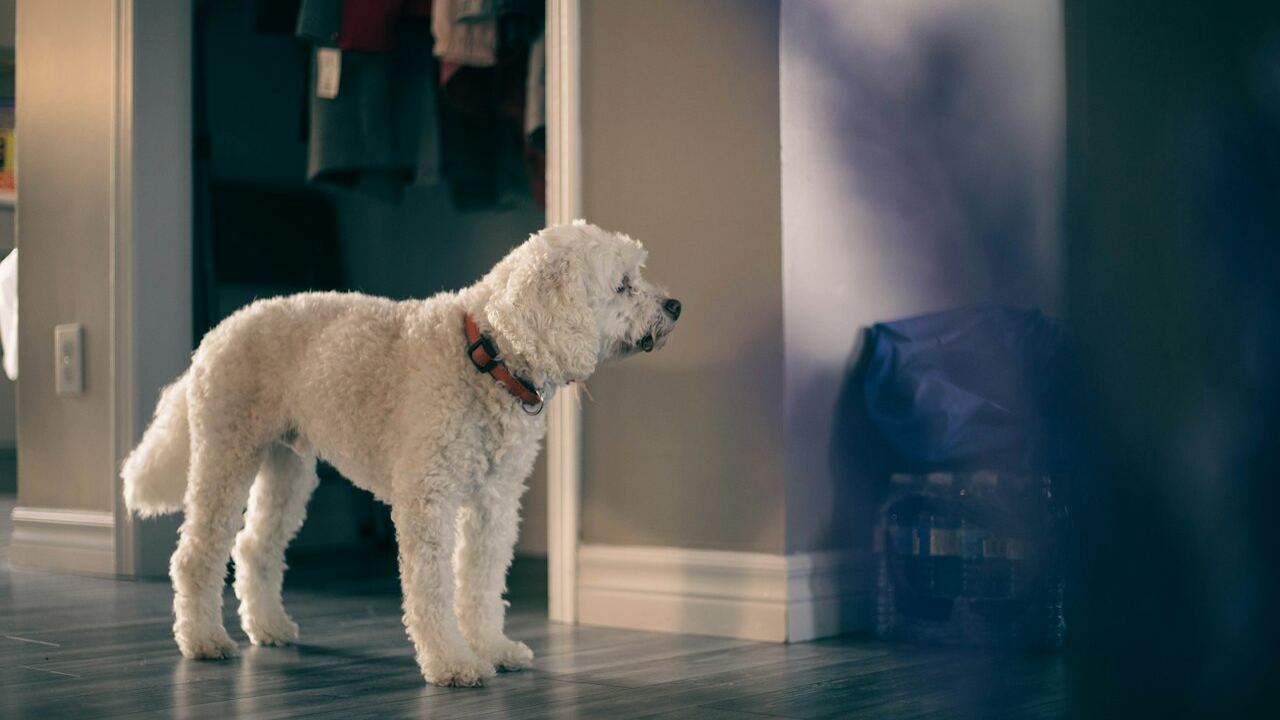
Pets can show stress when household attention and routine shift after a newborn, from pacing and clinging to accidents or destruction. Recognizing these signs early helps the family build a steadier plan. This guide lists common signals; it is not a diagnosis.
Behavioral signs to watch
Separation-related stress appears as the owner leaves or when the pet is separated from routine. Clinging, following, and restlessness are early signals.
- Pacing, circling, or unable to settle when alone.
- Clinging to adults, following from room to room.
- Whining, barking, or vocalizing during separation.
- Repeated checking doors or windows after departures.
Physical and household signs
Stress may show through accidents, chewing, scratching, or changes in appetite and sleep. These patterns point to anxiety rather than a single bad moment.
- House soiling or accidents outside the usual routine.
- Chewing, scratching at doors, or destroying household items.
- Loss of appetite, over-grooming, or restless sleep.
- Drooling, panting, or trembling when separation approaches.
Triggers after the newborn
The baby's arrival changes feeding times, one-on-one attention, and who stays home. The pet may associate the shift with loss of routine or closeness.
- Notice whether signs follow changes in attention or schedule.
- Check if the pet reacts to cries, doorbells, or sudden household changes.
- Look for signs around mealtime, walks, or rest shifts.
- Keep a short log of episodes for a vet or trainer.
When to seek professional input
Repeated or escalating signs, persistent accidents, or destructiveness should be assessed. A vet rules out medical causes; a trainer builds a guided plan.
- Seek help after more than one anxious episode alone.
- Describe triggers, timing, and body behavior honestly.
- Check for pain, illness, or conditions that change behavior.
- Keep the pet's retreat and routine steady while a plan is formed.
Age and species fit
Dogs often show clinging, barking, and destruction; cats may hide, over-groom, or withdraw. Both species can feel stress from routine change, and puppies or seniors are more vulnerable.
- Dogs: watch following, barking, and chewing during separation.
- Cats: notice withdrawal, hiding, or stress-related grooming.
- Puppies and seniors: protect extra rest and predictable routine.
- Toddlers (1–3) and preschoolers (3–6): supervised contact, pet's retreat respected.
Common mistakes to avoid
Anxiety is worsened when adults scold the pet for accidents or destruction, or the routine stays random. Calm consistency and professional input protect the animal.
- Wrong: Punishing a pet for soiling when alone. Right: remove pressure and address the stress cause.
- Wrong: Assuming the pet will settle with time alone. Right: watch patterns and seek guidance if signs repeat.
- Wrong: Keeping routine random after the baby. Right: steady meals, walks, and rest.
- Wrong: Overreacting to every anxious signal. Right: stay calm and keep the retreat accessible.
Frequently asked questions
What are signs of separation anxiety in a dog?
Pacing, clinging and following, barking or whining when alone, house soiling, chewing doors, restlessness, appetite or sleep changes, and panting or trembling.
How does separation anxiety show in a cat?
Hiding, withdrawal, stress-related over-grooming, accidents, or restlessness after routine changes. Persistent signs should be checked with a vet or behavior professional.
Can a new baby trigger pet anxiety?
Yes. Changes in attention, feeding times, and who stays home can feel like loss of routine. Keep meals, walks, and rest steady, and watch the listed stress signals.
When should I call a vet or trainer about my pet?
For repeated anxious episodes, persistent accidents, destructiveness, or withdrawal. A vet rules out illness; a qualified trainer builds a separation plan.
Should I punish my pet for accidents when alone?
No. Punishment suppresses the signal without fixing stress. Separate calmly, keep the routine steady, and seek professional guidance if signs continue.
Where this guidance comes from. We are a general parenting-and-pets editorial team, not a veterinary or pediatric practice. We cross-check our guides against public guidance from the CDC Healthy Pets, Healthy People. These are starting points for your own reading, not a diagnosis for your family or pet.
Not professional advice. This guide covers general household and safety information. For your child's health or your pet's behavior and medical care, contact your pediatrician or veterinarian directly. Do not rely on a website for urgent decisions.