 Routine & Behavior
Walking and Playing Your Pet When You Have a Baby
Daily exercise keeps dogs and cats settled and calm around children, and a workable routine fits the baby's schedule and the pet's energy level.
Daily exercise, anxiety, multi-pet peace, and plans when parents work or travel.
Routine & Behavior
Daily exercise keeps dogs and cats settled and calm around children, and a workable routine fits the baby's schedule and the pet's energy level.
 Routine & Behavior
A new baby shifts routines, attention, and the home's noise level, and some pets show stress through clinginess, pacing, barking, or unwanted accidents.
 Routine & Behavior
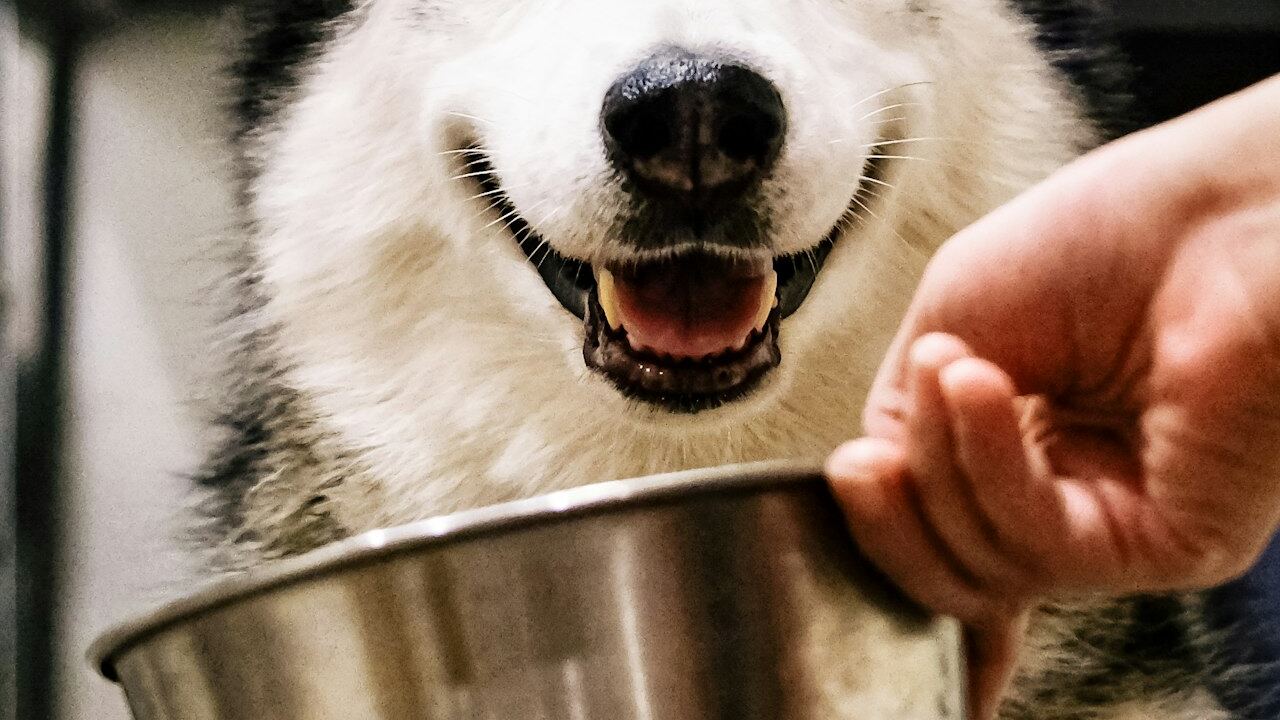
A predictable day keeps a pet calm and secure, and a newborn's demands can easily crowd out the walks, meals, and rest an animal relies on.
 Routine & Behavior
A home with two or more pets adds resource guarding, competition, and play that can turn rough around small kids.
 Routine & Behavior
When parents are out for work, the pet's daytime needs meals, movement, company, and a safe space that does not compete with the child's home.
 Routine & Behavior
A move disrupts the home a pet knows; boxes, noise, and a new space can stress dogs and cats.
 Routine & Behavior
Trips, visits, and short separations need a plan that keeps the pet safe, cared for, and comfortable while the family is away.
 Routine & Behavior
A baby's naps, feeds, and unsettled nights can disrupt a dog's exercise routine, but steady walks protect the pet's mood and behavior.
 Routine & Behavior
A busy, energetic dog can disrupt the newborn's rest and household rhythm if its exercise and stimulation are not planned.
 Routine & Behavior
Cats need daily movement and play to stay settled indoors, and a newborn's busy household can cut into that stimulation.
 Routine & Behavior
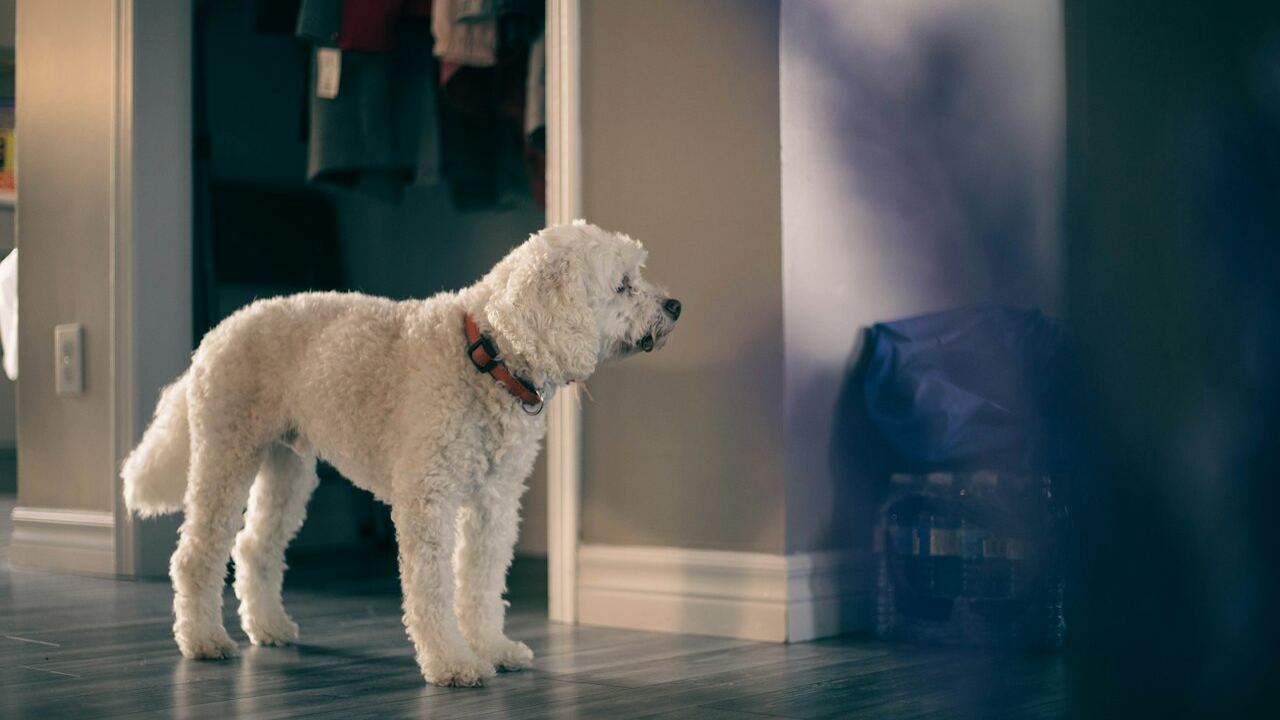
Pets can show stress when household attention and routine shift after a newborn, from pacing and clinging to accidents or destruction.
 Routine & Behavior
A steady, predictable plan helps a stressed pet feel safe at home: protected retreat, maintained routine, calm departures, and gradual practice.
 Routine & Behavior
A newborn's feeds, naps, and unsettled nights can disrupt the pet's meals, walks, and rest, which often shows up as stress or acting out.
 Routine & Behavior
A home with several dogs, cats, or mixed species needs clear space, feeding separation, and supervised contact to keep everyone settled.
 Routine & Behavior
Bringing a second pet home needs a slow, structured introduction so the resident animal and children feel secure.
 Routine & Behavior
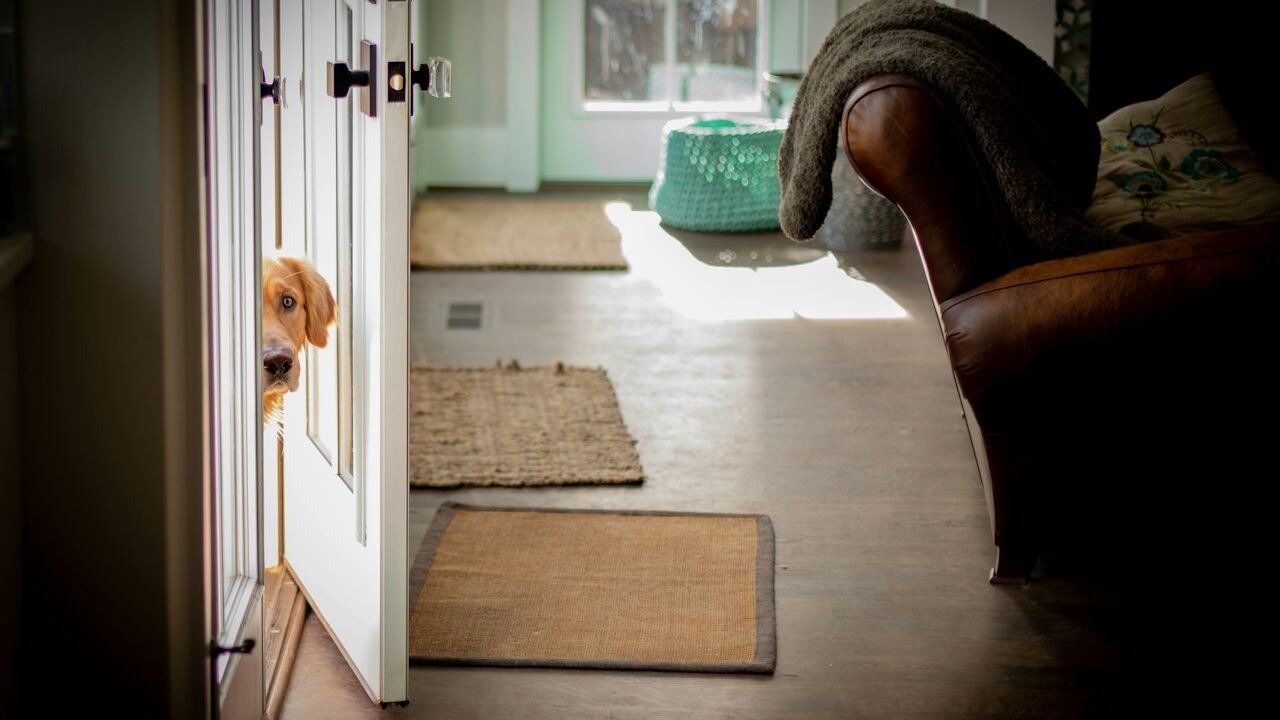
Parents out at work still need to cover feeding, exercise, rest, and comfort for the pet, often with a baby or young children at home.
 Routine & Behavior
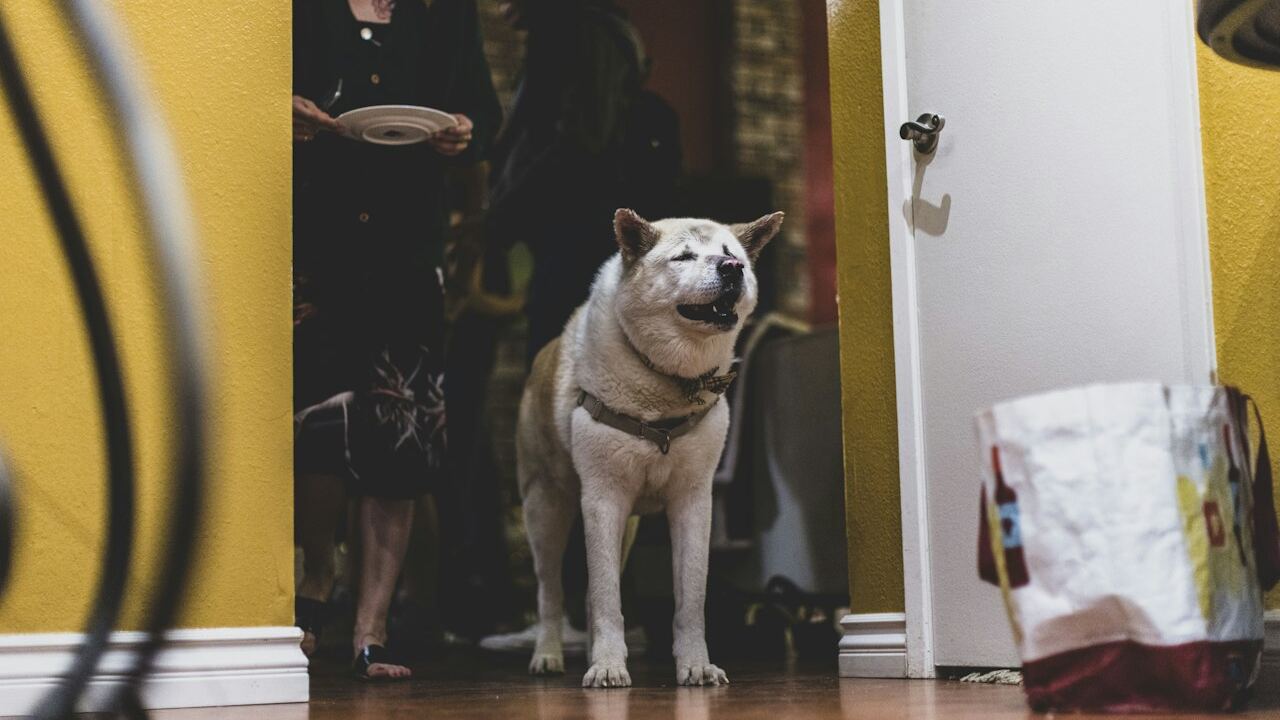
A long day away from home can leave a pet under-exercised, bored, or anxious, especially with young children in the home.
 Routine & Behavior
A move disrupts a pet's familiar territory, routine, and scent, which can show as stress, hiding, or restlessness.
 Routine & Behavior
When the family travels, pets need safe, trusted care that matches their species, age, and comfort.
 Routine & Behavior
Trips with a dog or cat need planning around transport, comfort, rest, and supplies, especially when young children are along.
 Routine & Behavior
A family trip means choosing whether the pet travels, stays with a sitter, or boards, based on the animal's comfort and the vacation's demands.
 Routine & Behavior
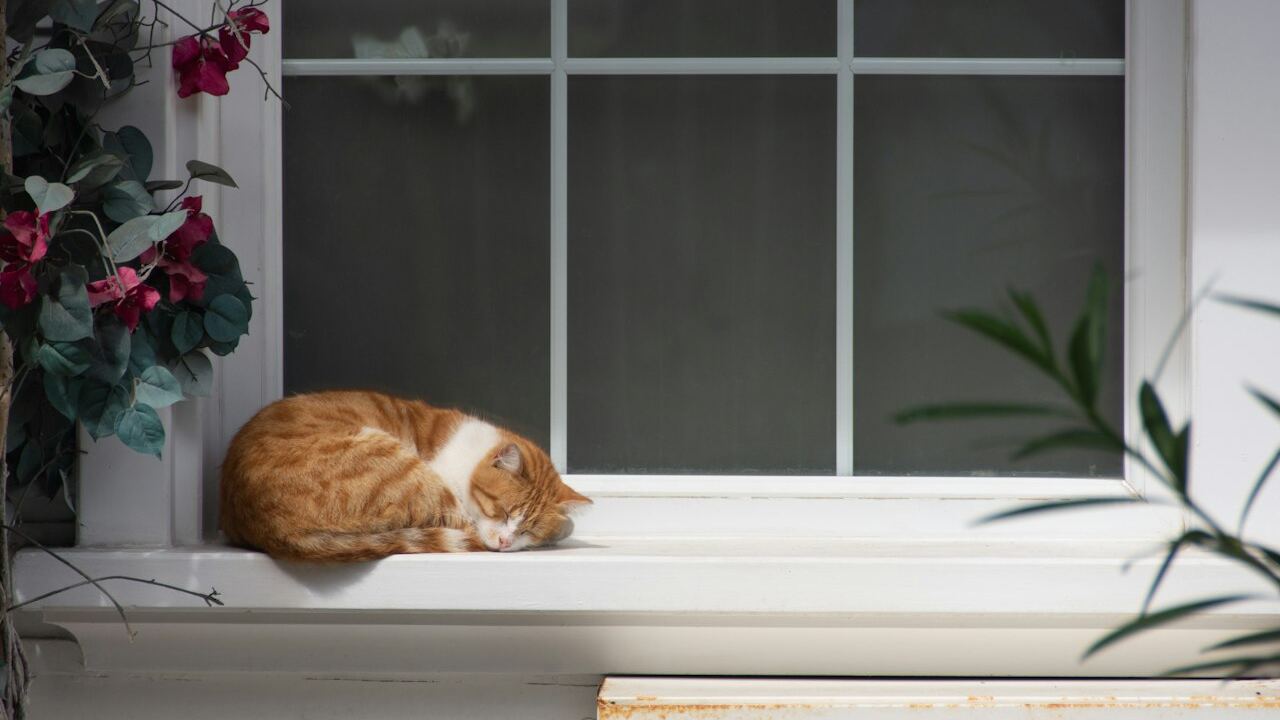
New babies, moves, schedules, or added animals can shift a pet's predictable rhythm, and stress may appear as restlessness, withdrawal, or household accidents.