A Home Plan for Separation Anxiety in Pets
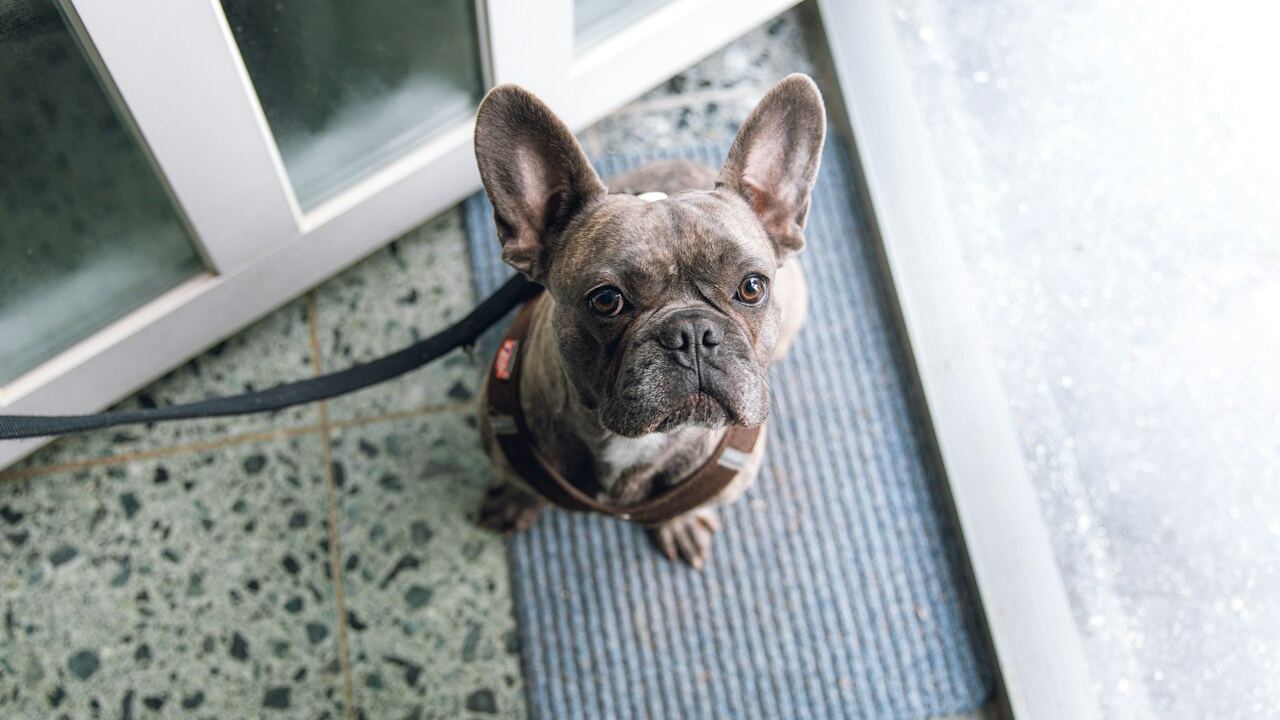
A steady, predictable plan helps a stressed pet feel safe at home: protected retreat, maintained routine, calm departures, and gradual practice. Setup and consistent habits lower separation anxiety over time. This guide covers a home approach; professional input supports persistent cases.
Create a safe retreat
The pet needs a quiet spot with water, bedding, and a familiar toy where it can settle alone. A protected retreat reduces pressure during separation.
- Set up a bed, crate, or quiet corner away from noise.
- Keep water and a familiar blanket within reach.
- Offer a safe chew or comfort item in the retreat.
- Do not let children disturb the resting pet's space.
Keep the routine predictable
Steady meals, walks, rest, and one-on-one time give the pet a sense of order. Random schedules after the newborn can worsen stress.
- Maintain consistent feeding and walking times.
- Protect regular rest and play through the week.
- Keep a short quiet one-on-one moment each day.
- Review the schedule as the baby's rhythm changes.
Calm departures and arrivals
Avoid dramatic goodbyes or greetings that ramp up emotion. Neutral, calm routines help the pet stay settled when adults leave and return.
- Keep departures low-key rather than lengthy goodbyes.
- Greet the pet calmly after returning instead of excitement.
- Pair leaving with a chew or puzzle toy for quiet occupation.
- Build short alone periods up gradually under guidance.
Practice and enrichment
Short, calm practice sessions and mental stimulation help the pet tolerate being alone. Treats, puzzles, and training moments occupy the animal without overexcitement.
- Use puzzle feeders or hidden treats during separation.
- Practice brief calm alone time in the retreat.
- Reward settled behavior in the pet's own spot.
- Increase alone time slowly rather than all at once.
Age and species fit
Dogs and cats respond to setup differently, but routine, retreat, and calm practice apply to both. Puppies, kittens, and seniors need extra predictable care.
- Dogs: build crate or retreat habits with calm departures.
- Cats: provide high quiet space and low-pressure alone time.
- Puppies and kittens: keep rest and routine extra steady.
- Toddlers (1–3) and preschoolers (3–6): respect the retreat, supervised contact.
Common mistakes to avoid
Plans slip when the retreat is in a busy room, departures stay dramatic, or alone time jumps too fast. Calm consistency and gradual steps build confidence.
- Wrong: Putting the anxious pet in the playroom. Right: choose a quiet protected retreat.
- Wrong: Making a long emotional goodbye. Right: keep departures and greetings neutral.
- Wrong: Leaving the pet alone for a big stretch at first. Right: build short sessions up gradually.
- Wrong: Punishing stress-related accidents. Right: keep calm, steady routine, and seek guidance.
Frequently asked questions
How do I set up a home plan for a stressed pet?
Create a quiet retreat with water and bedding, keep meals and walks predictable, make departures calm, and use short gradual alone practice with enrichment.
Where should an anxious pet stay during the day?
In a quiet protected retreat: a bed, crate, or corner with water, bedding, and a familiar toy. Keep children out of the resting space and offer a calm routine.
Should I say goodbye to my pet when I leave?
Keep departures low-key. Dramatic goodbyes can raise emotion; use a calm routine and leave a chew or puzzle toy for quiet occupation.
How fast does a separation plan improve?
Progress builds over weeks with consistent routine and gradual alone practice. Persistent signs need a vet or qualified trainer's guided plan.
Can my toddler be around an anxious pet?
Only supervised, with the pet's retreat respected. Keep contact gentle and calm, and seek professional input if warnings or stress repeat around the child.
Where this guidance comes from. We are a general parenting-and-pets editorial team, not a veterinary or pediatric practice. We cross-check our guides against public guidance from the CDC Healthy Pets, Healthy People. These are starting points for your own reading, not a diagnosis for your family or pet.
Not professional advice. This guide covers general household and safety information. For your child's health or your pet's behavior and medical care, contact your pediatrician or veterinarian directly. Do not rely on a website for urgent decisions.