Caring for a Pet While Parents Work During the Day
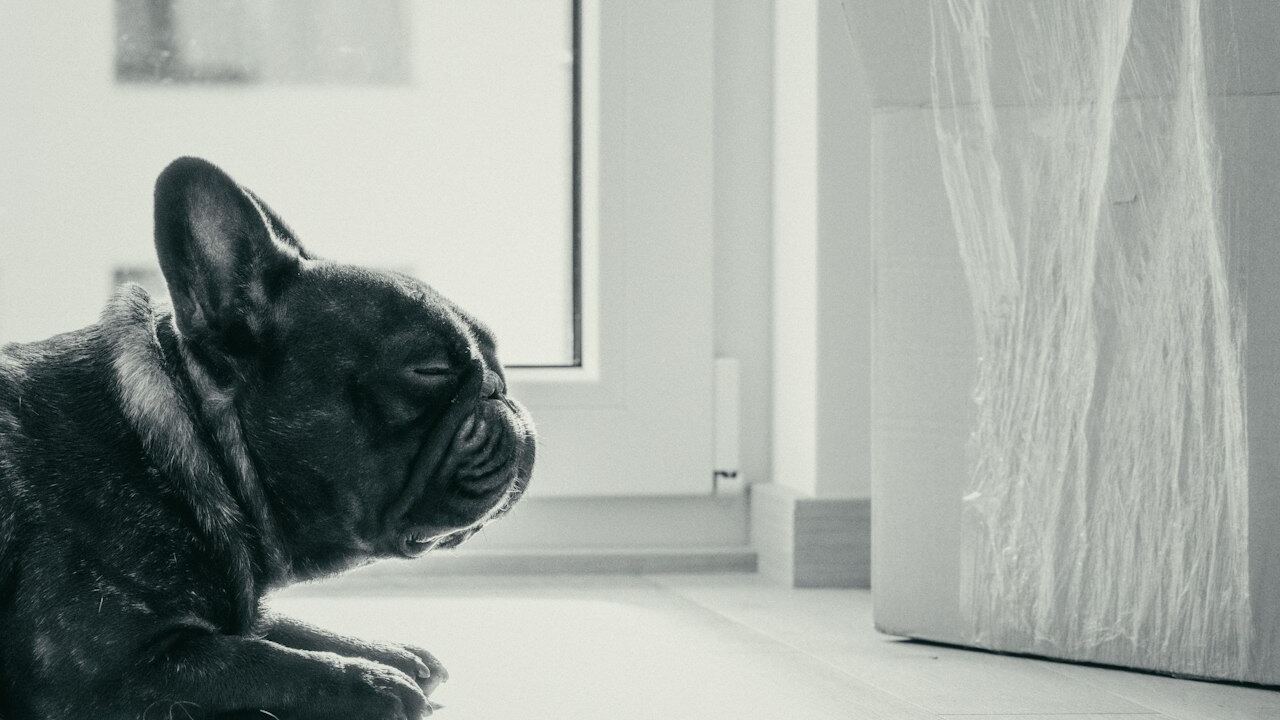
When parents are out for work, the pet's daytime needs meals, movement, company, and a safe space that does not compete with the child's home. This guide plans the daytime setup, chooses care options, and keeps the pet calm until the family returns. It is general planning advice; separation concerns should be reviewed with a vet or trainer.
Plan the daytime base
Before anyone leaves, the pet needs a secure, comfortable zone with water, bedding, a chew or puzzle, and access to a bathroom spot if needed. The child's sleep and play areas stay separate.
- Set up a retreat or room with water, a bed, and familiar items.
- Provide a puzzle or chew that keeps the pet occupied during the day.
- Keep the nursery and crib area closed off from the pet's daytime space.
- Make sure the space is safe: no loose wires, toxic plants, or reachable trash.
Meet physical and mental needs
A long day indoors needs planned exercise before the parents leave and mental activity through the day. Restless or bored pets are more likely to pace, bark, or bother the home.
- Take a morning walk or active play before work to spend stored energy.
- Use treat-dispensing toys or puzzles for daytime stimulation.
- Schedule a midday break, walk, or visit if the pet cannot hold on all day.
- Leave soft background sound or familiar cues to keep the home steady.
Choose a care arrangement
How much support the pet needs depends on age, species, and anxiety. Options range from an at-home pet sitter to doggy day care or a neighbor check-in.
- Dogs needing breaks may have a sitter, walker, or day care on workdays.
- Cats often do well with a daily check-in, fresh water, and cleaning.
- Puppies and young pets need more frequent breaks than adults.
- Anxious pets benefit from a familiar person and a steady routine.
Age and species fit
What the pet can handle alone changes with life stage and type. A puppy cannot stay alone as long; a senior pet may need comfort and monitoring.
- Puppies: frequent potty breaks, short alone periods, and daytime supervision.
- Adult dogs: a morning and evening outing plus a midday break if needed.
- Cats: independent daytime routine with food, water, litter, and a check-in.
- Senior pets: comfortable rest, monitored food and water, and any medication on schedule.
- Puppies and infants need the most daytime oversight; toddlers (1–3) and older kids see the pet's routine kept steady at home.
Reconnect after work
The evening should return to family routine: walk, meal, calm attention, and rest. A settled re-entry helps the pet wind down and the child's evening stay calm.
- Start with a calm outdoor break rather than high excitement at the door.
- Share regular evening play and one-on-one time after the busy part of the day.
- Keep meals, walks, and bedtime consistent with the household routine.
- Check the pet for accidents, restlessness, or signs of stress before settling in.
Common mistakes to avoid
Daytime setup fails when the pet is left with no exercise or stimulation, or the home is not proofed. A planned morning and a safe, occupied space keep things steady.
- Wrong: Leaving a dog all day with no break or puzzle. Right: plan exercise, a midday visit, and enrichment.
- Wrong: An open home where the pet can reach trash or nursery. Right: a secure, proofed zone.
- Wrong: A big dramatic reunion at the door. Right: a calm return and structured evening.
- Wrong: Assuming any pet handles a full workday alone. Right: match care to age, species, and anxiety.
Frequently asked questions
How long can a dog stay alone during the workday?
It depends on age and bladder control; puppies need frequent breaks, adult dogs can usually hold for longer but still need a midday outing or visit. A vet can advise for the individual pet.
Do cats need someone by during the day?
Cats are more independent; daily fresh food, water, clean litter, and a check-in usually suffice. A kitten or anxious cat may need more attention.
What should the pet have in its daytime space?
Water, bedding, a familiar item, a chew or puzzle, and a safe bathroom spot if needed. Keep the nursery, trash, and hazards out of reach.
My pet is destructive while I work. What should I do?
Add exercise and enrichment, proof the space, and consider a walker or day care. Persistent chewing, barking, or soiling should be assessed by a vet or trainer.
How do I balance work, the baby, and the pet?
Protect the pet's morning and evening blocks, share care with a partner, and use a sitter or walker for daytime gaps. A written routine keeps everyone's needs covered.
Where this guidance comes from. We are a general parenting-and-pets editorial team, not a veterinary or pediatric practice. We cross-check our guides against public guidance from the CDC Healthy Pets, Healthy People. These are starting points for your own reading, not a diagnosis for your family or pet.
Not professional advice. This guide covers general household and safety information. For your child's health or your pet's behavior and medical care, contact your pediatrician or veterinarian directly. Do not rely on a website for urgent decisions.