Walking and Playing Your Pet When You Have a Baby
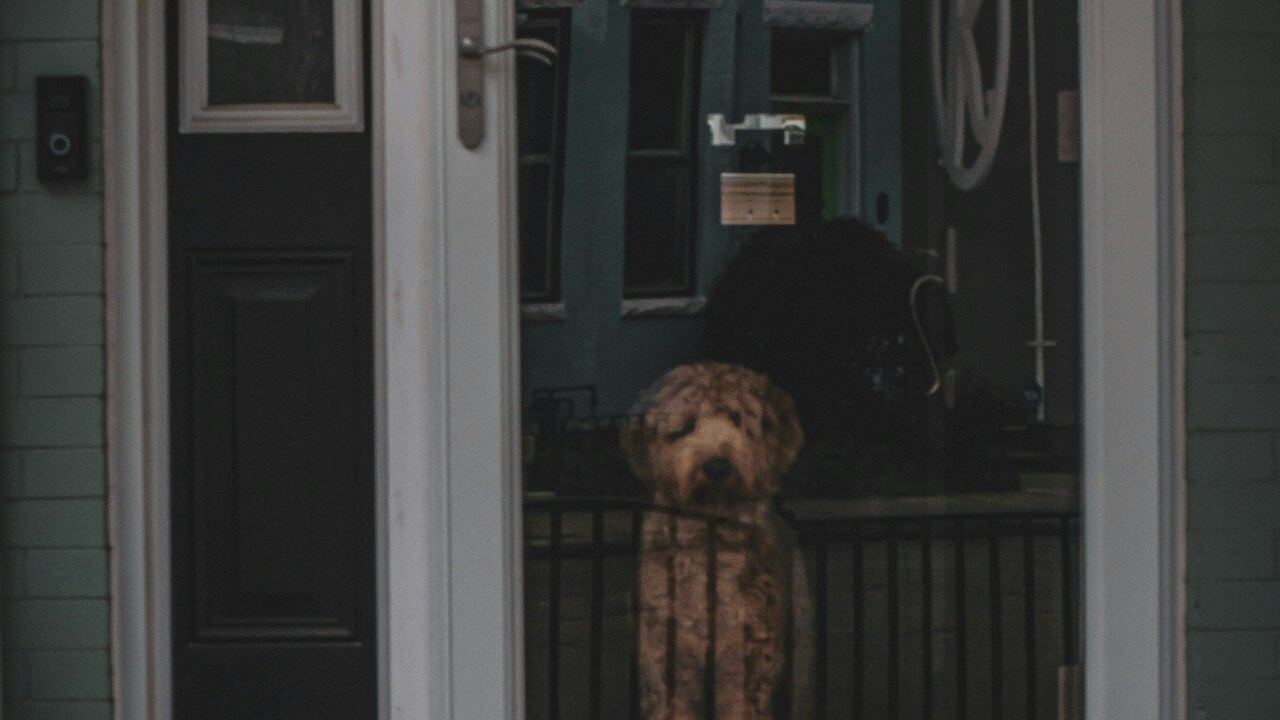
Daily exercise keeps dogs and cats settled and calm around children, and a workable routine fits the baby's schedule and the pet's energy level. This guide plans sessions around naps, matches activity to age and breed, and keeps play safe near crawlers and toddlers. It is general guidance; health or mobility limits should be checked with a vet.
Fit activity around the baby's day
Short, regular sessions work better than one long outing. Plan walks and play around naps and feedings so the pet's energy is spent before quiet family time.
- Schedule walks or active play right after a nap or feeding window.
- Keep sessions steady and short rather than rushed at the end of the day.
- Adjust activity for the pet's age, health, and the weather.
- Build a predictable daily pattern the pet can learn to expect.
Give dogs a daily outlet
A restless dog in close family quarters can get anxious or defensive. Regular walking and play release energy before indoor time and calm the dog around the baby.
- Walk dogs on a predictable daily schedule, with fresh air and sniffing time.
- Use active play and retrieval games indoors on rainy days.
- Provide chew toys and puzzles for quiet, occupied time.
- Cool the dog down with a rest and water after vigorous play.
Cats need indoor activity
Cats get exercise from climbing, chasing, and scratching. Indoor outlets keep them engaged, fit, and less likely to bother baby gear or furniture.
- Offer perches, scratching posts, and chase toys around the home.
- Rotate toys so play stays interesting and the cat does not lose interest.
- Schedule short interactive play sessions several times a day.
- Watch weight and energy; add activity if the cat becomes inactive or heavy.
Exercise safely with young kids
Keep play supervised, and avoid rough or fast movement near a crawling baby or toddler. Give the pet a calm cool-down after activity so it settles indoors.
- Separate active play from the baby's floor and high-chair area.
- Watch the pet for overstimulation: fast chasing, barking, or hard nipping.
- Reward calm, settled behavior after playtime.
- Keep leashes and toys away from the crawling space.
Age and breed differences
The amount and kind of activity depend on the pet's life stage and breed type. A young working dog needs more than a senior lap dog; cats differ in activity too.
- Puppies and high-energy breeds need frequent, moderate exercise, not long exhausting runs.
- Senior pets and brachycephalic or low-energy breeds prefer gentle walks and rest breaks.
- Large breeds should avoid heavy jumping and strain while young and growing.
- Kittens chase and play-bite; older cats enjoy shorter, quieter interactive sessions.
Common mistakes to avoid
Exercise problems come from packing it into one late outing, letting rough play reach the baby, or ignoring the pet's limits. Steady daily activity and safe separation work best.
- Wrong: One big evening walk after the family is tired. Right: spread short sessions through the day.
- Wrong: Rough wrestling near the crawler. Right: keep active play outside the baby's space.
- Wrong: Over-exercising a puppy or senior dog. Right: match intensity to age and health.
- Wrong: Assuming indoor cats do not need play. Right: plan daily interactive activity for cats too.
Frequently asked questions
How much exercise does a family dog need?
It depends on breed, age, and health. A vet can suggest a daily activity level that fits the household, weather, and any mobility or weight concerns.
Can my cat get enough exercise indoors?
Yes, with climbing spaces, chase toys, and daily interactive play. Watch weight and energy and add activity if the cat becomes inactive.
When should I walk the dog around a newborn?
Fit walks around naps and feedings; keep early meetings calm and supervised. A tired, settled dog is easier to introduce to a quiet baby period.
Is rough play okay near my toddler?
No. Keep fast, rough, or mouthing play away from the crawling and walking space, supervise every session, and cool the pet down before indoor time.
What if the pet seems restless indoors?
Add a walk or short play session, provide a chew or puzzle, and check for boredom or separation stress. Persistent restlessness or pacing may need a vet or trainer.
Where this guidance comes from. We are a general parenting-and-pets editorial team, not a veterinary or pediatric practice. We cross-check our guides against public guidance from the CDC Healthy Pets, Healthy People and AAP HealthyChildren baby section. These are starting points for your own reading, not a diagnosis for your family or pet.
Not professional advice. This guide covers general household and safety information. For your child's health or your pet's behavior and medical care, contact your pediatrician or veterinarian directly. Do not rely on a website for urgent decisions.