Moving House With Pets and Children
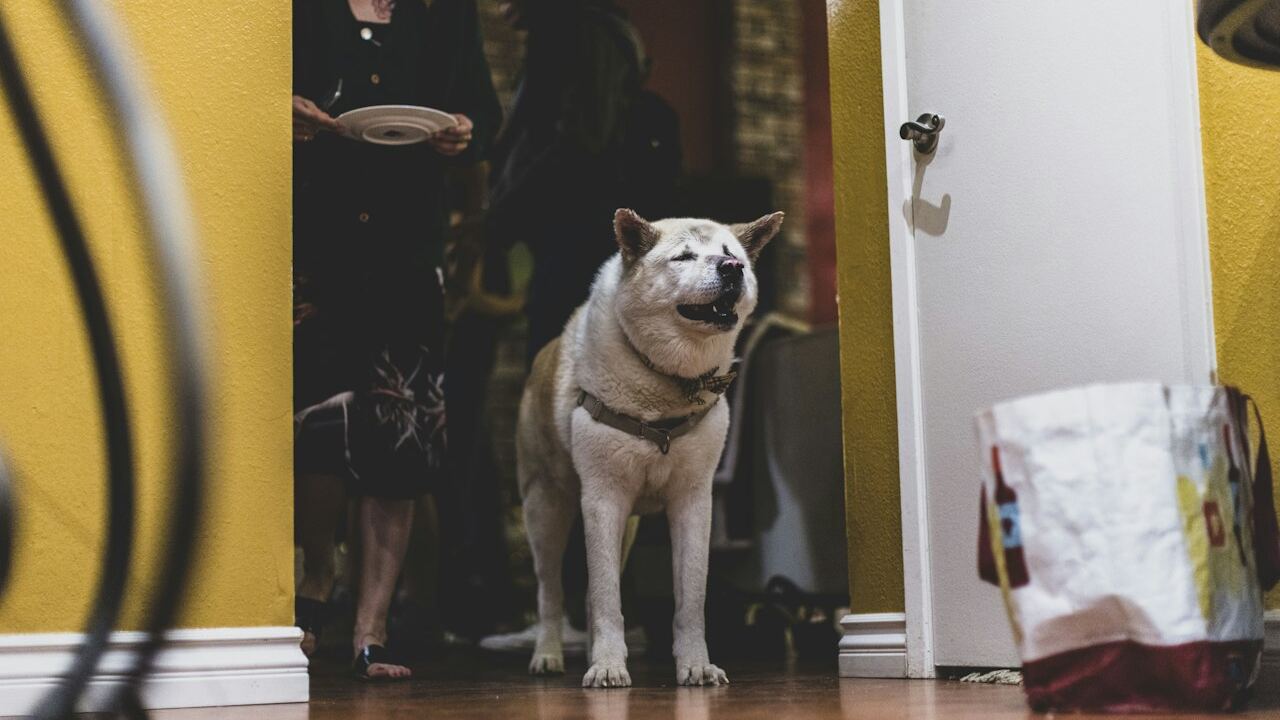
A move disrupts a pet's familiar territory, routine, and scent, which can show as stress, hiding, or restlessness. Careful packing, a settled setup at the new home, and protected time help the animal adjust. This guide covers the move plan. It is general guidance; persistent stress needs a vet.
Prepare the pet before moving day
Keep the pet's routine steady in the lead-up to the move, and gather records, bedding, and comfort items. Familiar scents ease the transition to a new place.
- Maintain usual meals, walks, and rest times through packing.
- Pack pet records, meds, food, bedding, and toys together.
- Keep the pet away from the chaos of moving boxes.
- Plan a safe room or crate for the animal on moving day.
Manage moving day safely
With doors open and traffic coming and going, pets can slip out or become overwhelmed. Keep the animal secured in a quiet room, crate, or carrier during the move.
- Confine the pet to a closed room or crate during loading.
- Check doors and gates before letting the animal loose.
- Keep a collar, ID, and leash ready for transport.
- Avoid feeding a heavy meal before a long car ride.
Settle in at the new home
Set up a familiar retreat with bedding, water, and toys before the pet explores. A dedicated quiet spot helps the animal adjust to new scents and sounds.
- Place the bed, bowls, and litter in a quiet corner first.
- Let the pet explore one room at a time under supervision.
- Keep meals, walks, and rest times close to the old routine.
- Offer a familiar blanket or toy for comfort.
Help pets feel secure after the move
New smells, neighbors, and layout can trigger anxiety. Patience, protected space, and predictable routine help the pet settle over the first weeks.
- Provide a retreat the child cannot freely enter.
- Spend quiet one-on-one time in the new home.
- Watch for hiding, withdrawal, or appetite changes.
- Keep gates and doors secured until the pet is settled.
Age and species fit
Dogs and cats adjust to a move differently, and puppies, kittens, and seniors need extra stability. Children's stages shape how closely contact is supervised in the new space.
- Dogs: keep walks steady and explore the new neighborhood gradually.
- Cats: offer high perches and a quiet room to settle before roaming.
- Puppies, kittens, and seniors: protect extra rest and comfort.
- Toddlers (1–3) and preschoolers (3–6): supervised contact, new space gated initially.
Common mistakes to avoid
Moves go wrong when the pet is left loose amid open doors, or the new home is fully open at once. Secured transport and a gradual settle keep the animal calm.
- Wrong: Letting the pet roam the moving house freely. Right: confine to a quiet room or crate.
- Wrong: Unpacking around the pet without a retreat. Right: set up a familiar quiet spot first.
- Wrong: Changing meals and walks after the move. Right: keep the old routine as steady as possible.
- Wrong: Expecting instant comfort in a new home. Right: allow time and watch for stress signs.
Frequently asked questions
How do I move my dog or cat without stress?
Keep the old routine steady, secure the pet in a quiet room or crate on moving day, set up a familiar retreat at the new home, and let exploration happen gradually.
Where should my pet stay during a move?
In a closed quiet room, crate, or carrier away from loading chaos. Keep doors and gates secured, and have a collar, ID, and leash ready for transport.
How do I settle a pet into a new house?
Place bedding, water, and toys in a quiet corner, let the pet explore one room at a time, keep meals and walks predictable, and offer a familiar comfort item.
How long does a pet take to adjust to a move?
It varies by animal; some settle in days, others take weeks. Watch for hiding, withdrawal, or appetite changes, and seek vet advice if stress persists.
Should my cat explore the new home right away?
Start with a quiet room and familiar bedding, then expand supervised access slowly. Cats need high perches and a secure retreat before roaming the whole house.
Where this guidance comes from. We are a general parenting-and-pets editorial team, not a veterinary or pediatric practice. We cross-check our guides against public guidance from the CDC Healthy Pets, Healthy People. These are starting points for your own reading, not a diagnosis for your family or pet.
Not professional advice. This guide covers general household and safety information. For your child's health or your pet's behavior and medical care, contact your pediatrician or veterinarian directly. Do not rely on a website for urgent decisions.