 Safety & Rules
Why Young Kids Must Never Be Left Alone With Pets
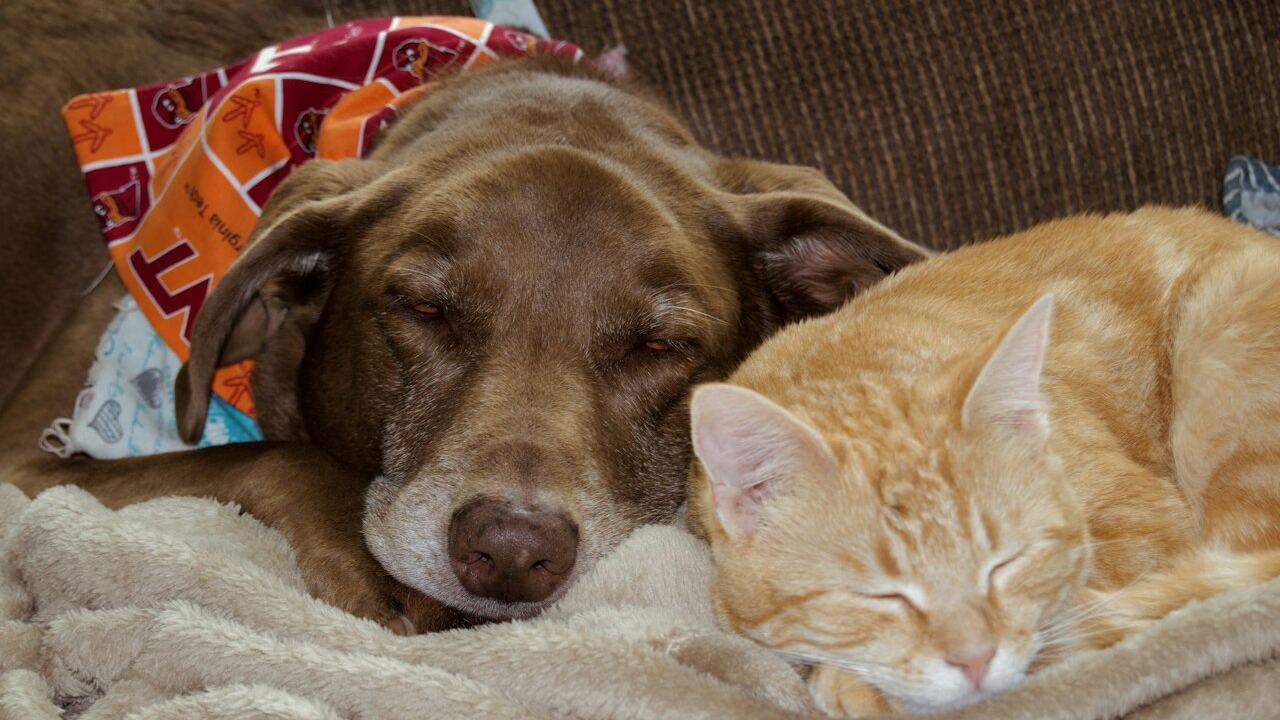
No matter how gentle a dog or cat seems, young children should never be left unsupervised with an animal.
Supervision, animal body language, and fair boundaries between children and pets.
Safety & Rules
No matter how gentle a dog or cat seems, young children should never be left unsupervised with an animal.
 Safety & Rules
Dogs signal comfort and stress through posture, ears, tail, eyes, and mouth.
 Safety & Rules
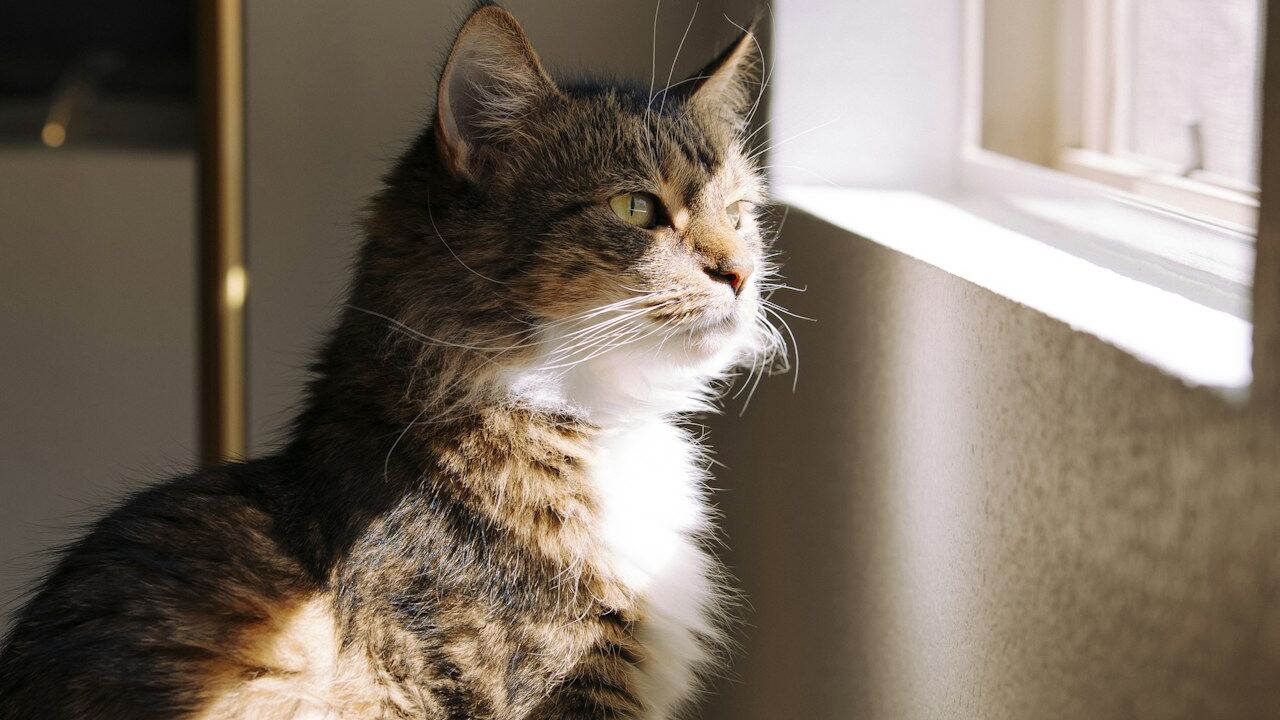
Cats show comfort through a relaxed body, soft tail, and open face; stress appears as flicking tail, flattened ears, dilated pupils, hissing, or withdrawal.
 Safety & Rules
Clear, simple rules help children treat animals gently and predictably.
 Safety & Rules
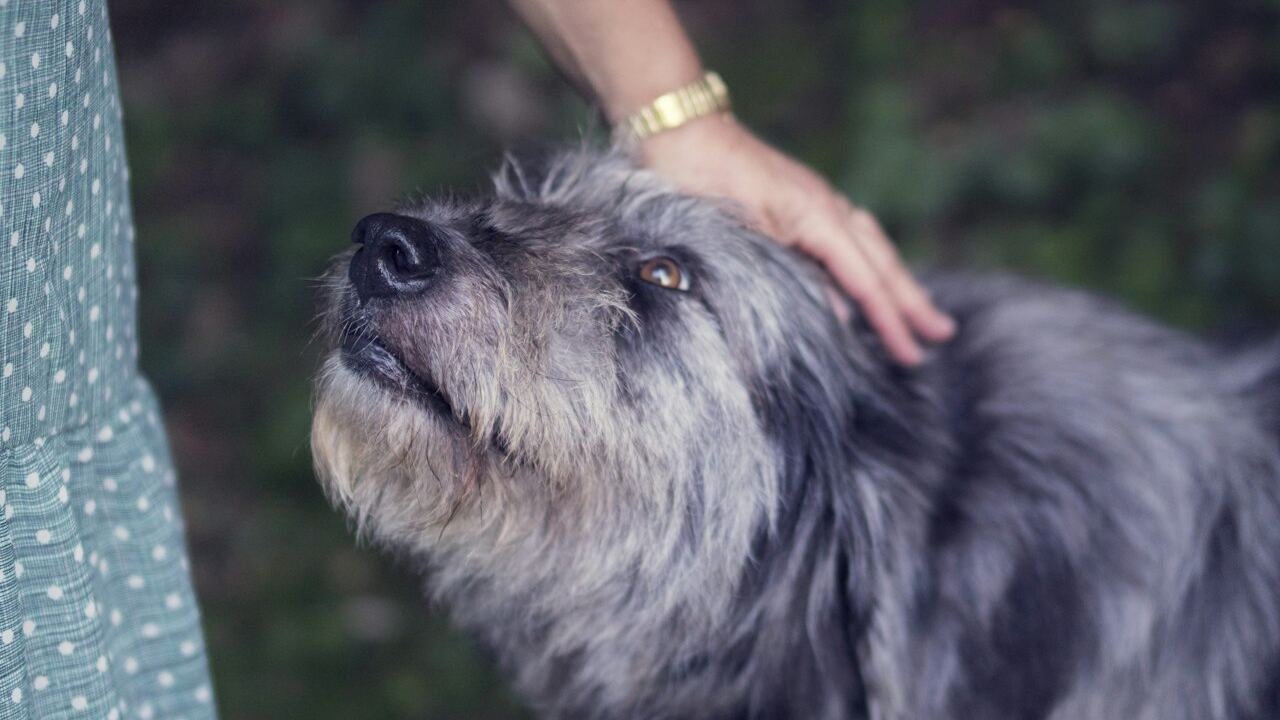
Toddlers move suddenly and grab without understanding that animals feel touch.
 Safety & Rules
A growl is a warning that the animal feels trapped, scared, or overhandled.
 Safety & Rules
Visitors and their children may not know your pet's boundaries, and your pet may be unsettled by new people and noise.
 Safety & Rules
Active supervision means watching and being ready to step in; secure separation means using gates, doors, or rooms when no adult can watch.
 Safety & Rules
Common beliefs about pets and babies — that animals steal breath, or that every pet must leave a newborn home — are mostly myths.
 Safety & Rules
Toddlers move suddenly, grab without reading signals, and need full adult supervision around any pet.
 Safety & Rules
Preschoolers (3–6) can follow simple rules and read basic signals, but they still need adult watch around pets.
 Safety & Rules
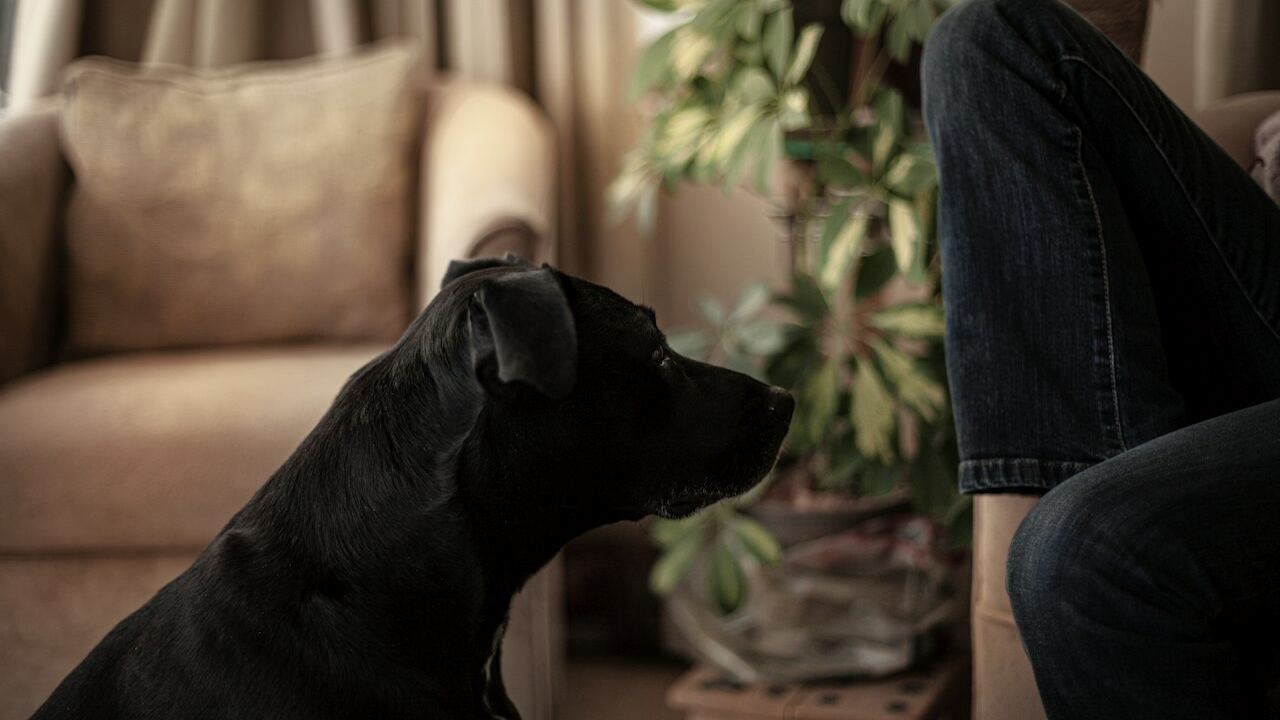
Dogs signal comfort and stress through posture, ears, tail, eyes, and mouth.
 Safety & Rules
Cats show comfort through a relaxed body, soft tail, and open face; stress appears as a flicking tail, flattened ears, dilated pupils, hissing, or withdrawal.
 Safety & Rules
How a child approaches a pet sets up whether the interaction stays calm.
 Safety & Rules
Most bites and scratches follow a build-up of stress signs that adults missed, and contact that did not stop in time.
 Safety & Rules
Guarding is a dog’s effort to keep a valued resource away, and it can appear near food, chews, beds, or people.
 Safety & Rules
Children and pets should never be left unsupervised in a car, closed room, or during busy household moments, even with a familiar family animal.
 Safety & Rules
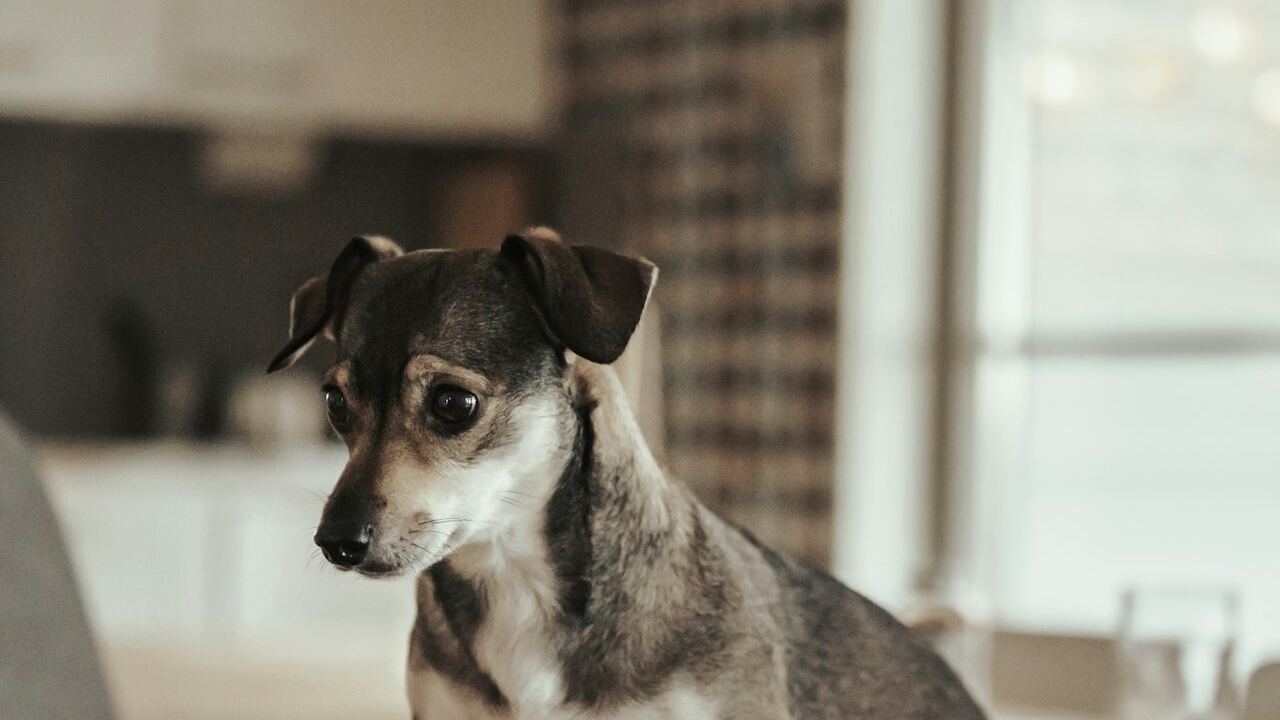
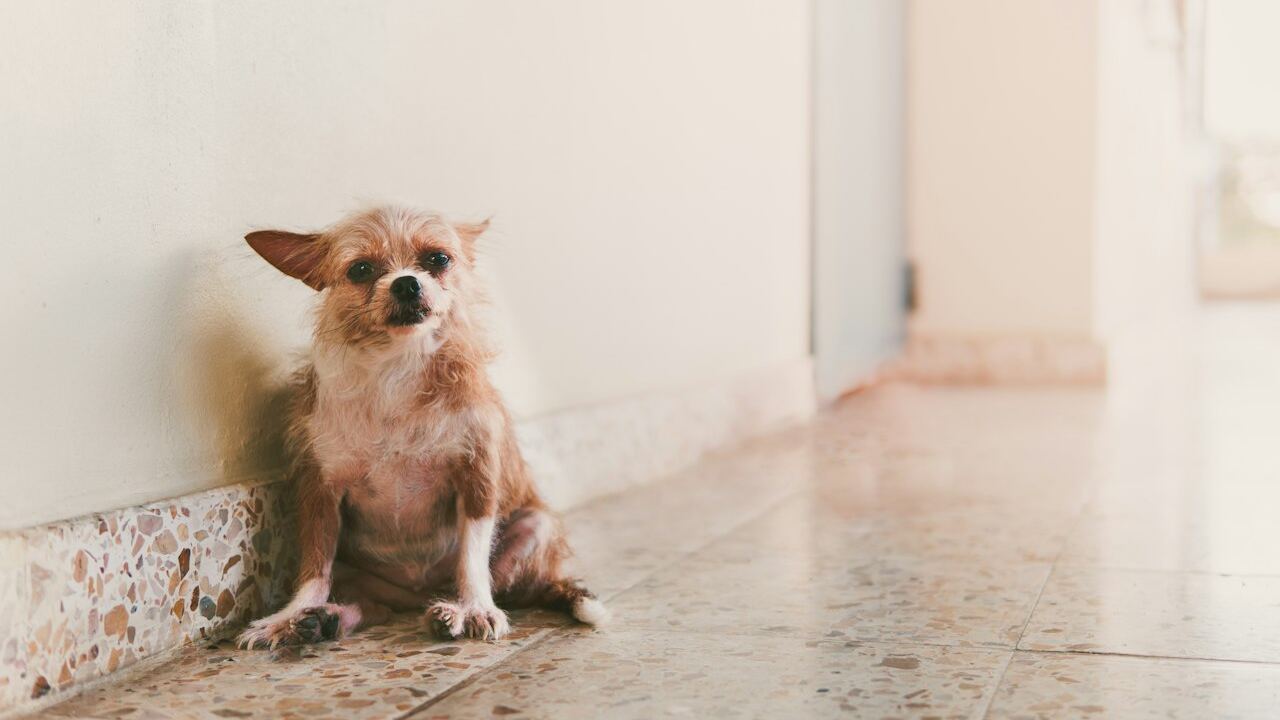
Reading a dog takes one glance at the whole body: ears, eyes, mouth, tail, and posture together.
 Safety & Rules
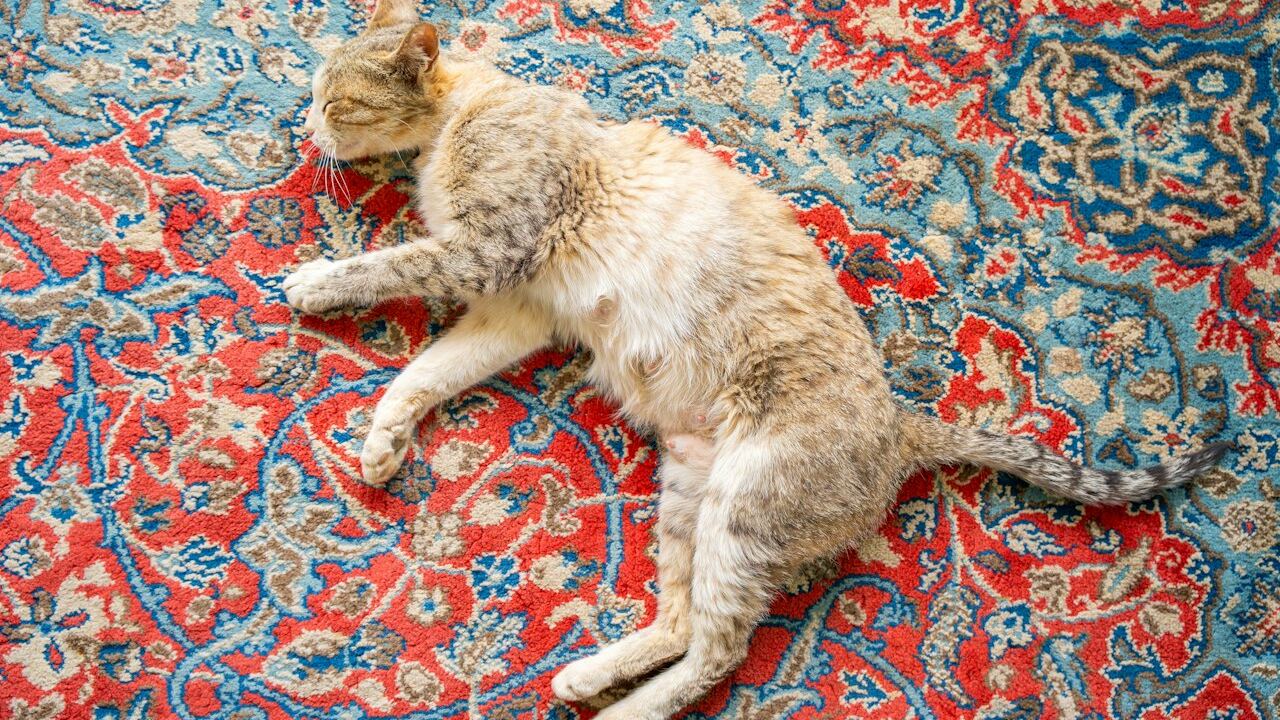
Cat comfort and stress show in ears, tail, eyes, whiskers, and posture, often in subtler ways than dogs.
 Safety & Rules
A growl is a warning, not the start of an attack, and it gives parents a chance to remove pressure before a snap or bite.
 Safety & Rules
Pets that are resting, napping, or asleep should not be touched, hugged, or surprised, whether in a bed, crate, or corner.
 Safety & Rules
A dedicated greeting spot gives children and dogs a clear place for calm touch, away from food, toys, and busy play.
 Safety & Rules
Cats choose closeness on their own terms, and a child who follows, lifts, or corners the cat can trigger swatting or hiding.
 Safety & Rules
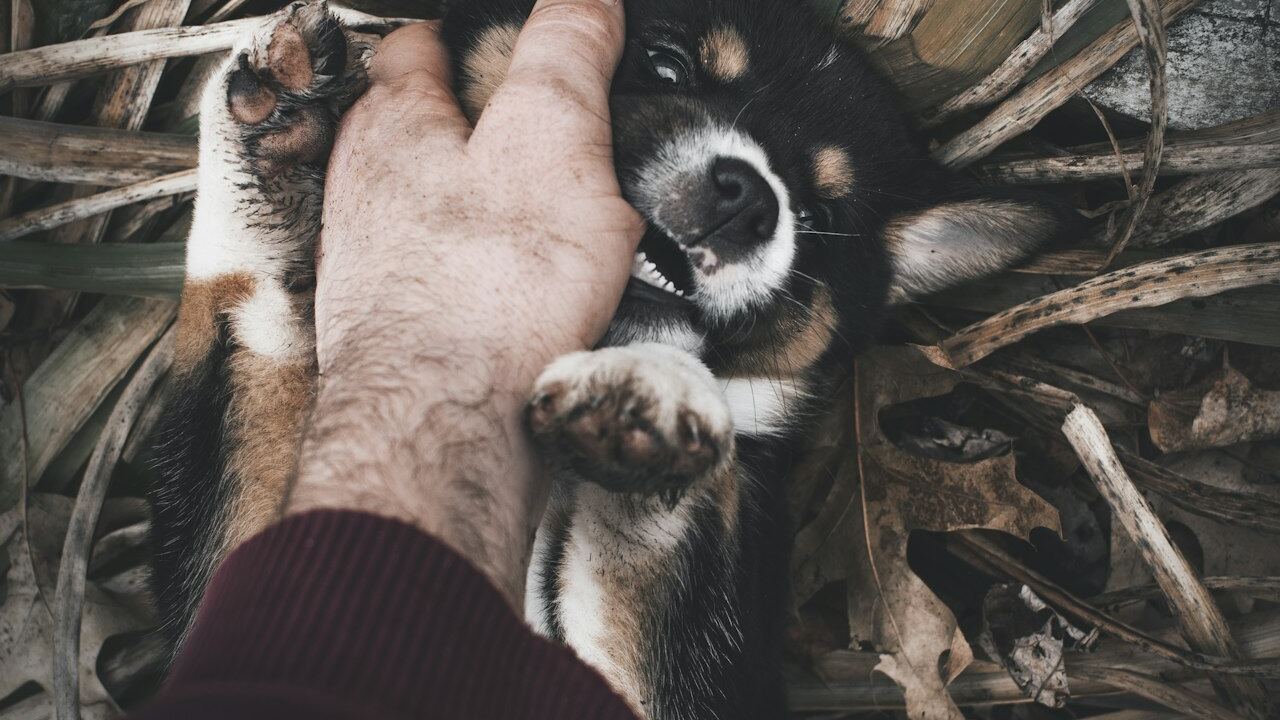
Roughhousing, tugging, chasing, and wrestling can escalate fast, turning a playful moment into a bite or scratch.
 Safety & Rules
An unfamiliar animal has unknown temperament, stress triggers, and comfort level, so children should follow a stricter approach than with the family pet.
 Safety & Rules
Gates are a simple separation tool that keeps child and pet apart during busy moments, giving both sides space.
 Safety & Rules
Cats climb shelves, curtains, counters, and furniture to escape a busy toddler, while young children may reach, chase, or try to lift the cat.
 Safety & Rules
Crying, cooing, doorbells, play toys, and sudden household sounds can stress a pet, especially one unused to a baby.
 Safety & Rules
Toddlers learn kindness through short, guided, successful moments with animals.
 Safety & Rules
Popular beliefs about pets and children often underestimate risk, assuming affection, age, or breed guarantees safety.