Pets and Babies: Common Myths vs Evidence
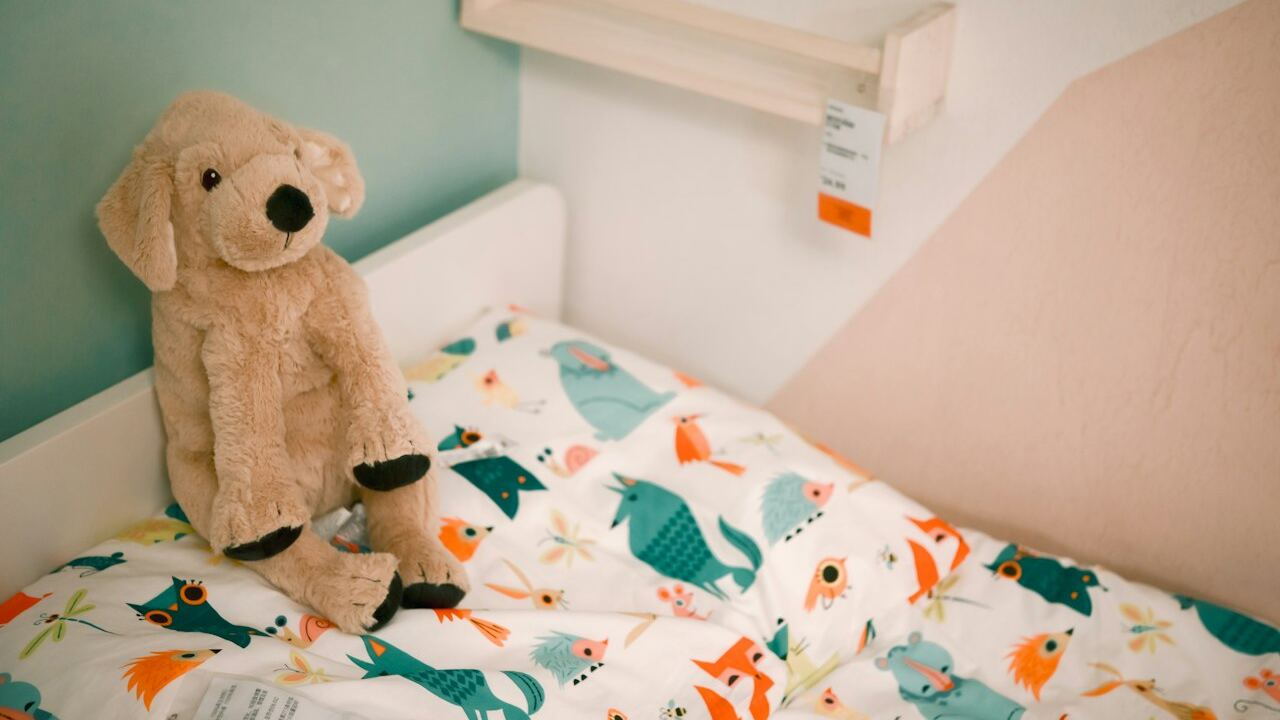
Common beliefs about pets and babies — that animals steal breath, or that every pet must leave a newborn home — are mostly myths. The evidence is simpler: supervision, hygiene, and calm handling keep families safe. This guide separates widely repeated claims from what families should actually do, and flags when to ask a vet or pediatrician.
Myth: Pets are unsafe around newborns
An animal managed with supervision, a clean sleep space, and calm handling can share a home with a baby. Risk comes from unsupervised contact and poor setup, not from the pet itself.
- Keep the pet out of the crib, bassinet, and sleep area at all times.
- Have an adult present whenever the baby and pet are near each other.
- Give the pet its own retreat and routine so it does not feel displaced.
- Watch for stress signs; adjust distance rather than assuming the pet will adjust.
Myth: A pet will suffocate a baby
There is no reason an animal needs to share a crib. Keeping pets off sleep surfaces and in their own space removes this risk, while supervised floor contact stays possible.
- Do not let the pet enter the crib, bassinet, or playpen with the baby.
- Place a gate or door so the pet cannot reach the sleep area at night.
- Allow calm supervised time on the floor with an adult within arm's reach.
- Wash hands and surfaces after contact to keep hygiene simple.
Myth: Animals understand newborns are fragile
Animals read movement, smell, and sound, not human ideas of fragility. A baby's sudden cries, grabs, and kicks can startle or overstimulate even a gentle pet.
- Treat the baby's movements as unpredictable for the animal, not as a signal to read.
- Introduce sounds and scents gradually before the baby comes home.
- Keep early meetings short and calm; end before either gets stressed.
- Coach the pet with treats and praise for staying relaxed near the baby.
Myth: One good meeting means no risk later
A calm first introduction does not remove lifelong rules. Stress signs, supervision, and boundaries stay in place as the baby grows into a grabbing, moving toddler.
- Maintain supervision and space rules through every stage of the child's growth.
- Reassess as the baby learns to crawl, reach, and walk.
- Keep food, rest, and toy zones protected as the child becomes mobile.
- Update the household rules when a second baby or a big routine change arrives.
Hygiene facts that do matter
Some claims are not myths: basic hygiene and parasite prevention genuinely reduce risk. Handwashing, regular vet care, and clean sleep areas are practical steps.
- Wash hands after touching the pet, and before preparing food or feeding the baby.
- Keep parasite prevention current per the veterinarian's schedule.
- Clean up pet waste promptly; keep litter boxes and food bowls out of the baby's reach.
- Check with the pediatrician if anyone in the home has allergies, asthma, or a weakened immune system.
Common mistakes to avoid
Families swing between fear and overconfidence. The balanced path is realistic risk management: neither banish the pet nor leave contact to chance.
- Wrong: 'The pet will be fine around the baby.' Right: plan supervision, sleep space, and retreat ahead of time.
- Wrong: 'We have to rehome the pet for safety.' Right: most homes manage with setup, hygiene, and guidance.
- Wrong: Believing the pet senses the baby is fragile. Right: read the animal's signals and protect the space.
- Wrong: Skipping hygiene rules once things go well. Right: handwashing and parasite prevention stay routine.
Frequently asked questions
Is it safe to keep the family pet after a baby arrives?
For most families yes, with supervision, a separate sleep space, hygiene, and a calm introduction. If allergies, asthma, or behavior issues exist, check with the pediatrician and vet.
Can a dog or cat hurt a baby by sleeping in the crib?
Pets should never be in the crib or bassinet. Keeping them off sleep surfaces and out of the infant sleep area removes the risk; supervised time on the floor stays okay.
Do pets get jealous of a new baby?
Pets may show displacement or stress when routines change. Preserve walks, meals, and quiet time, reward calm behavior, and watch for signs rather than assuming jealousy.
Should I rehome my pet before the baby comes?
Rehoming is a last step, not the default. Many concerns are solved with training, setup, and hygiene. A trainer or vet can assess whether the current behavior is manageable.
What hygiene steps are actually required?
Handwashing after contact, current parasite prevention, prompt waste cleanup, and keeping food and litter boxes out of reach. Follow the pediatrician's advice for sensitive family members.
Where this guidance comes from. We are a general parenting-and-pets editorial team, not a veterinary or pediatric practice. We cross-check our guides against public guidance from the CDC Healthy Pets, Healthy People and AAP HealthyChildren baby section. These are starting points for your own reading, not a diagnosis for your family or pet.
Not professional advice. This guide covers general household and safety information. For your child's health or your pet's behavior and medical care, contact your pediatrician or veterinarian directly. Do not rely on a website for urgent decisions.