Why Young Kids Must Never Be Left Alone With Pets
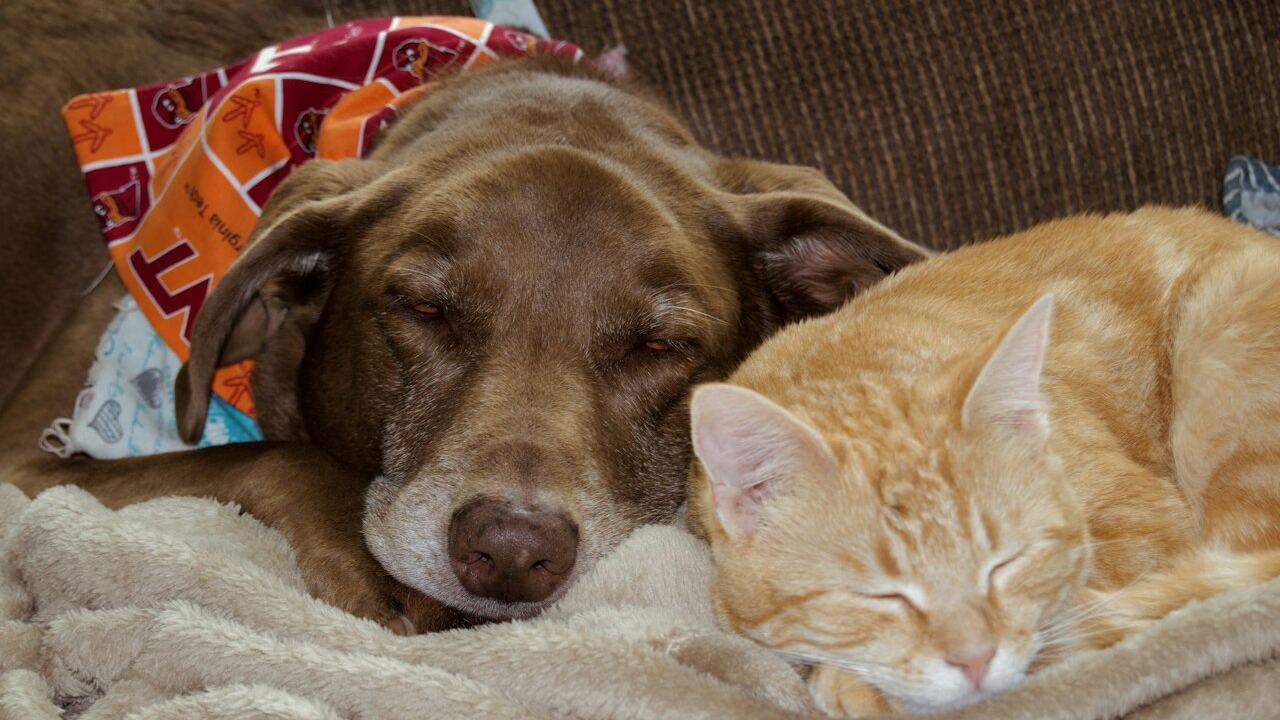
No matter how gentle a dog or cat seems, young children should never be left unsupervised with an animal. This guide explains what counts as unsupervised contact, how supervision changes with age, and which breed and species differences matter. It is general household safety guidance; for behavior concerns, consult a qualified trainer or veterinarian.
Why active supervision matters
Both children and animals react to movement, touch, and noise in the moment, and neither can fully read the other's signals. A sudden grab, clumsy hug, or fast approach can startle even a calm pet, while a young child cannot yet tell a relaxed animal from a stressed one.
- Young children do not reliably read an animal's body language or warning signs.
- Animals respond to movement and handling they cannot explain, not to a sense of fairness.
- Most incidents happen in unguarded moments, not in planned, watched interactions.
- Supervision means watching and being ready to step in, not being in the same room.
What unsupervised contact really means
Being alone together includes situations that feel safe at first: the same room while an adult is busy cooking, behind a gate while someone showers, or in a car or bedroom together. The standard applies to family dogs, cats, and any visiting animal.
- Do not leave a baby or toddler alone with the family pet, even for a minute.
- A gate, closed door, or playpen does not replace an adult watching closely.
- Keep pets out of cribs, playpens, car seats, and the child's sleep area.
- Never leave child and animal together in a vehicle or enclosed space.
Safe zones for child and pet
A home with kids and animals works best when each side has a zone it can use without pressure. The pet gets a quiet retreat; the child's play and sleep area stays adult-managed.
- Set up a quiet pet retreat away from running, grabbing, and loud toys.
- Use gates or doors to separate spaces when an adult cannot watch.
- Keep food bowls, beds, and favorite toys in fixed household zones.
- Choose the child's main play area where the pet cannot be cornered.
Supervision matched to the child's age
The closeness of supervision changes as the child grows, but it does not disappear. Children earn more independence only after they consistently read boundaries and handle animals gently.
- Infants (0–1): an adult stays within arm's reach whenever the animal is nearby; no contact without an adult holding the baby.
- Toddlers (1–3): full active supervision; the adult watches every touch and approach.
- Preschoolers (3–6): still watched, but they can practice stopping and calling an adult when unsure.
- School-age (6+): more freedom once rules hold consistently, but pets eating, sleeping, or resting stay off-limits.
Breed and species differences
Handling tolerance and triggers vary by animal, and dogs and cats do not communicate the same way. A pet's size, age, and past experiences also shape how it reacts.
- Dogs often warn through stiffening, lip licking, or growl; cats signal through tail flicks, flattened ears, and withdrawal.
- Large breeds can knock a small child over by momentum even without intent, so space rules matter more for big dogs.
- Puppies and kittens are still learning bite and restraint; senior pets may have less patience for rough handling.
- A rescue or animal with unknown history deserves extra caution and slower introductions.
Common mistakes to avoid
Most risky situations come from assuming the animal or the child 'knows better.' Clear rules and setup prevent incidents that good intentions alone cannot.
- Wrong: 'It's fine, the gate is between them.' Right: a gate is separation, not supervision.
- Wrong: 'My pet has never bitten anyone.' Right: past gentleness does not remove the supervision rule.
- Wrong: Letting a toddler climb on or ride the pet as 'play.' Right: climbing and riding are stopped and redirected.
- Wrong: Expecting the child to police the pet. Right: adults set and enforce the rule.
Frequently asked questions
Is it okay to leave my toddler and dog in a room together with a gate?
No. A gate keeps them apart physically, but it does not replace active supervision. The child and animal should be watched by an adult whenever they share a space.
How long does the supervision rule last?
Supervision stays in place as the child grows, even with a trusted pet. Contact can be watched more loosely only after the child consistently reads body language and handles animals gently.
What if my pet has never acted aggressively?
Past gentleness does not remove the requirement. Animals can react to sudden movement or rough handling, and young children cannot yet read warning signs.
Can a baby be on the floor while the dog is nearby?
Yes, but only with an adult within arm's reach, the dog settled on its own bed or leash, and the option to separate them quickly. The dog never enters the crib or sleep area.
Should visitors and babysitters follow the same rule?
Yes. Tell every caregiver and guest that no child is left alone with any animal, and post a simple household rule so it holds under pressure.
Where this guidance comes from. We are a general parenting-and-pets editorial team, not a veterinary or pediatric practice. We cross-check our guides against public guidance from the CDC Healthy Pets, Healthy People. These are starting points for your own reading, not a diagnosis for your family or pet.
Not professional advice. This guide covers general household and safety information. For your child's health or your pet's behavior and medical care, contact your pediatrician or veterinarian directly. Do not rely on a website for urgent decisions.