Reading Dog Body Language Around Children: Stress Signs to Spot
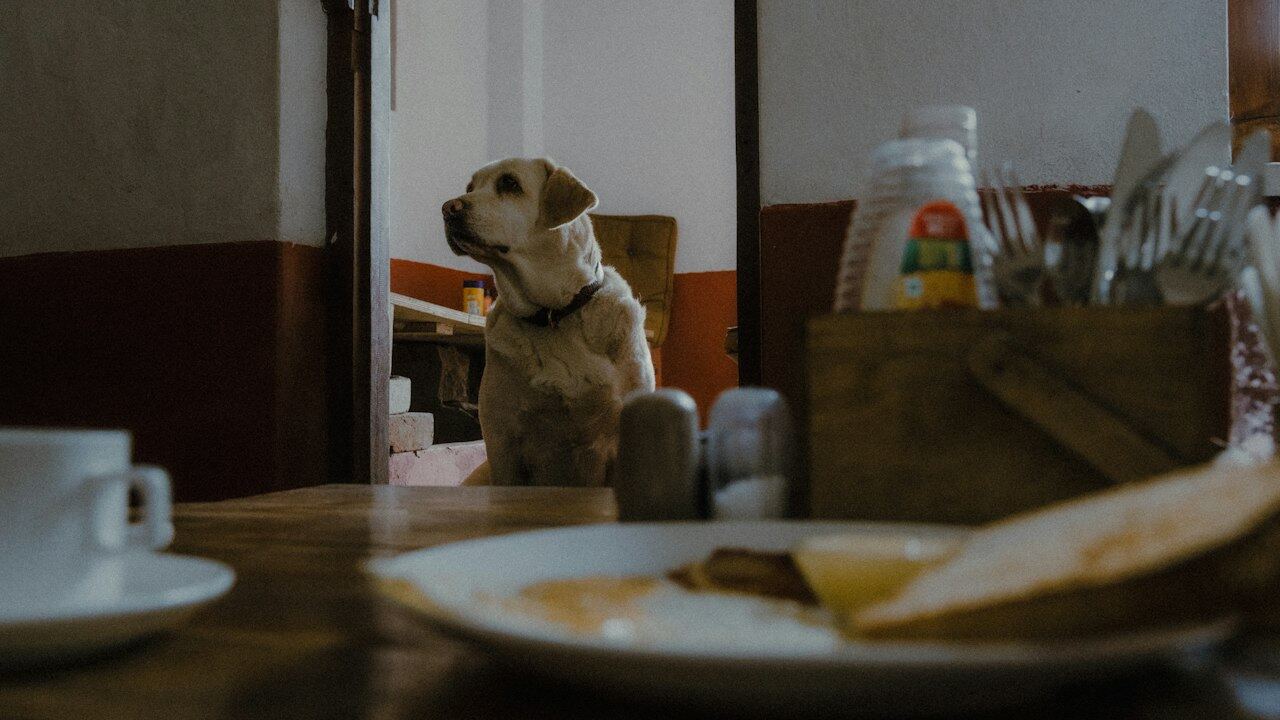
Dogs signal comfort and stress through posture, ears, tail, eyes, and mouth. Knowing the difference helps parents keep interactions calm, step in before a warning escalates, and teach older children to notice cues too. This is general guidance; repeated fear or guarding around children should be discussed with a qualified trainer or veterinarian.
Relaxed, calm signs
A comfortable dog usually carries a loose body, soft eyes, an open relaxed mouth, and a broad, easy tail wag. These cues mean the dog is okay with the current interaction, but watch for any change.
- Loose, wiggly body and relaxed shoulders rather than stiff standing.
- Soft eyes and an open or slightly open mouth with the tongue visible.
- Broad, relaxed tail wag; the whole body may sway gently.
- Ears held naturally, not pulled back or pinned forward.
Stress and warning signs
When a dog feels uneasy, its body tightens. Catching these early lets an adult end the interaction before it turns to a snap or bite. Signs often appear in sequence before any vocal warning.
- Stiff body, raised hackles, or leaning away from the child.
- Lip licking, yawning, or turning the head away; a whale-eye look showing the whites.
- Tail held high and stiff, tucked low, or flicking quickly; ears flattened or pinned.
- Freezing in place, repeated sniffing, or moving away to escape the approach.
What to do when signs appear
If the dog shows stress, the right response is to give space and stop the interaction calmly. Punishment after a warning suppresses the signal without fixing the cause.
- Calmly separate child and dog; do not grab the dog by the collar or pull the child away sharply.
- Send the dog to its retreat or place on a leash for a quiet reset.
- End the session early before the dog has to escalate to growl or snap.
- Check what triggered the sign: food, a toy, resting time, or rough touch.
Age and context matter
How a child approaches and touches the dog changes with age, and dogs are more guarded around certain resources and situations. Young children need hands-on coaching every time.
- Infants (0–1): the adult holds the baby and controls distance; the dog chooses to stay nearby.
- Toddlers (1–3): supervised briefly; coach slow approaches and soft pats, no hugging or leaning on the dog.
- Preschoolers (3–6): practice reading one or two calm and stressed signals together with an adult.
- Dogs are more guarded near food, bones, toys, beds, and resting areas; keep children away there.
Breed and age differences
Body language is universal in broad strokes, but temperament, size, and life stage shape how clearly a dog signals and how much contact it tolerates.
- Large breeds can overwhelm a small child by jumping or leaning, even when friendly.
- Small dogs may snap more readily when picked up or squeezed; they should be greeted on the floor.
- Puppies use mouthing and play bites; senior pets often tolerate handling less and rest more.
- Breed tendencies are not a guarantee; read the individual dog in front of you.
Common mistakes to avoid
The biggest risk is missing early cues because the dog 'looks fine,' or pushing an interaction when it is clearly ending. Adults read the signals and protect the dog's space.
- Wrong: A broad tail wag always means happy. Right: check the body and mouth; a stiff high tail can mean tension.
- Wrong: 'He's fine, let the kid hug him.' Right: if the dog leans away or freezes, end the hug.
- Wrong: Punishing a growl so the dog stops warning. Right: remove the pressure and address the cause.
- Wrong: Reading only the face and ignoring the tail and body. Right: read the whole dog together.
Frequently asked questions
What is the first sign my dog is uncomfortable with my child?
Early signs are often subtle: turning the head away, lip licking, yawning, or stiffening. At the first of these, stop the touch and give the dog space.
Why does my dog wag its tail but still seem tense?
Tail position and speed matter. A stiff, high, fast wag differs from a loose broad wag. Read the body, ears, and mouth together rather than the tail alone.
Should I let my toddler hug the family dog?
Not unsupervised. Most dogs tolerate hugs poorly, and toddlers squeeze hard. Keep greeting to slow, soft pats on the back or side under adult watch.
When should I call a trainer or vet about my dog's reactions?
If the dog freezes, growls, snaps, or guards food or space around the child repeatedly, or seems afraid, get a qualified trainer or behavior vet involved before another incident.
Can I teach my older child to read these signs?
Yes. Point out calm and stressed cues in real life, keep lessons short, and let the child practice calling an adult when the dog seems unsure.
Where this guidance comes from. We are a general parenting-and-pets editorial team, not a veterinary or pediatric practice. We cross-check our guides against public guidance from the CDC Healthy Pets, Healthy People. These are starting points for your own reading, not a diagnosis for your family or pet.
Not professional advice. This guide covers general household and safety information. For your child's health or your pet's behavior and medical care, contact your pediatrician or veterinarian directly. Do not rely on a website for urgent decisions.