How to Teach Toddlers to Be Gentle With Dogs and Cats
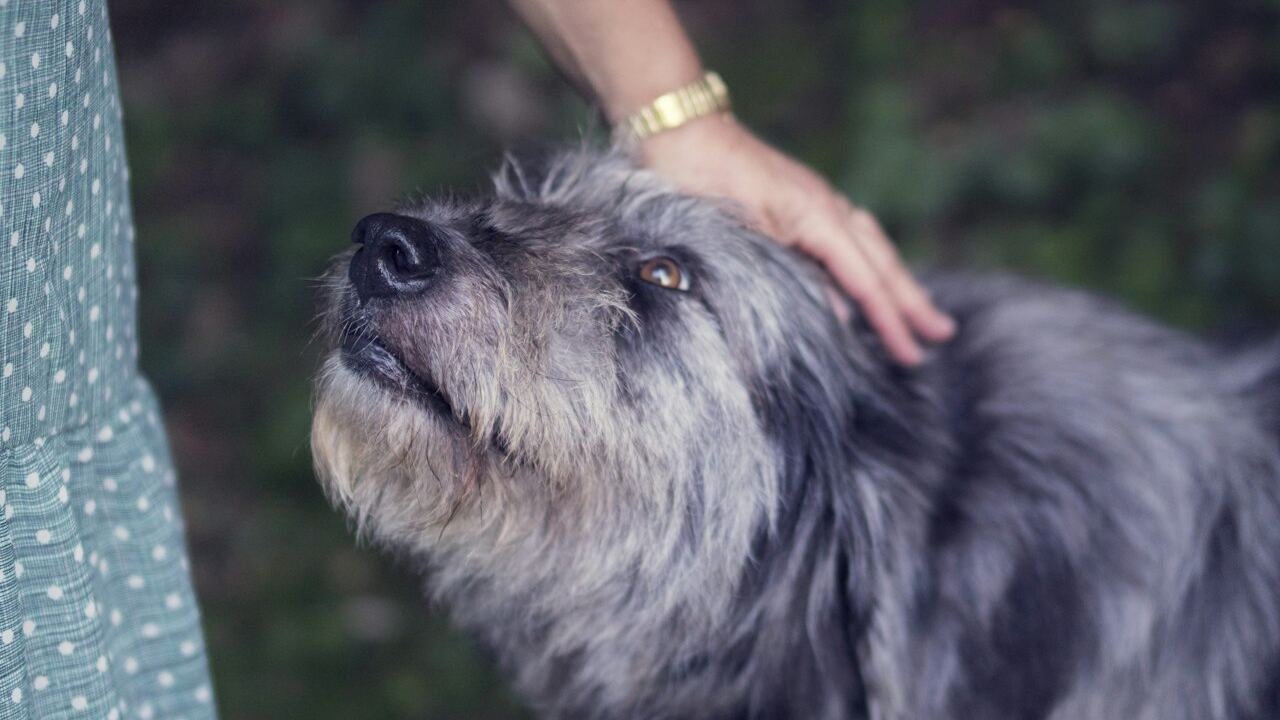
Toddlers move suddenly and grab without understanding that animals feel touch. Teaching gentle handling takes repetition, short successful interactions, and adult coaching every time. This guide covers soft touch, when to stop, and how to redirect rough behavior. It is general guidance; persistent biting or fear should be reviewed with a trainer or vet.
Keep interactions short
Toddlers lose focus and can turn rough quickly. Brief, calm sessions give the child practice and keep the animal comfortable; short wins matter more than long play.
- Start with 1–2 minute supervised touches, then end on a calm note.
- Repeat several short sessions a day rather than one long one.
- Watch for the toddler's attention drifting or getting excited; that is the stop point.
- Let the pet leave the interaction whenever it chooses.
Demonstrate soft touch
Toddlers copy what they see. Model a gentle open hand along the animal's back, and show how to let the animal sniff first before touching.
- Hold the toddler's hand and guide a soft stroke, palm open.
- Show how to offer a fist to sniff before reaching.
- Use simple words: 'soft,' 'gentle,' 'wait,' 'leave.'
- Praise a calm touch right away so the child connects the action with approval.
Stop before overstimulation
A toddler who laughs loudly, chases, climbs on the animal, or squeals is already past gentle play. End the contact early, before the pet reacts or the child grabs.
- End the session at the first excited chase, climb, or loud scream.
- Watch the pet for stiffness, withdrawal, or a warning sign, and separate if they appear.
- Move to a quiet activity with the child away from the pet.
- Try again later, shorter and calmer.
Redirect rough behavior
Hitting, pulling ears or tail, climbing on the pet, or chasing should be stopped and redirected to a toy or wall activity. The child needs an alternative action, not just a scolding.
- Say 'gentle' or 'leave' and move the child's hand away from the pet.
- Offer a stuffed animal or soft block for the rough hands instead.
- If grabbing continues, separate child and pet with a gate or door.
- Do not roughhouse the toddler yourself in a way that encourages grabbing.
Adult supervision every time
Until the child reliably handles animals gently, every interaction needs an adult watching and ready to step in. Toddlers are not trusted to manage contact alone.
- Stay within arm's reach for every touch, even with a familiar pet.
- Keep the pet's retreat and food area off-limits during toddler hours.
- Review the routine with any caregiver or relative who watches the child.
- Notice progress over weeks; gentleness builds with repeated short successes.
Species and age differences to plan for
Dogs and cats respond to toddler handling differently, and the pet's life stage changes how much it tolerates being grabbed.
- Dogs may lean in or lick; coach the child to keep the hand soft and not hug the neck.
- Cats often dislike being held or grabbed; greet them on the floor and expect them to walk off.
- Puppies and kittens mouth and jump; keep touches brief and separate when play gets rough.
- Senior pets rest more and have less patience for grabs; protect their quiet space.
Common mistakes to avoid
Teaching goes wrong when the adult pushes a long interaction, laughs off grabbing, or assumes the pet will forgive rough play. Keep sessions short, clear, and consistent.
- Wrong: 'He'll grow out of it.' Right: coach soft touch from the first contact.
- Wrong: Letting the toddler climb on the dog 'because the dog doesn't mind.' Right: climbing and riding are stopped.
- Wrong: Waiting until the pet growls before separating. Right: step in at the first grab or stiffening.
- Wrong: Only teaching with one pet and forgetting visitors' animals. Right: the same gentle rules apply to every animal.
Frequently asked questions
How old can a child be before I trust gentle contact?
Toddlers (1–3) always need adult hands-on coaching. Preschoolers (3–6) may follow rules with watchful supervision; independent gentle handling comes only after consistent practice.
How long should each toddler-pet session last?
Start at 1–2 minutes and end calmly. Short, repeated successes work better than one long, exciting play that turns rough.
What do I do if the toddler keeps grabbing the tail?
Stop the contact, redirect the grab to a toy, and separate child and pet if it continues. Protect the tail and head; praise any soft touch that does occur.
Is it okay to let the cat or dog comfort an upset toddler?
Only with an adult holding both sides steady. A distressed toddler may grab and squeeze; keep contact brief and be ready to move the pet to its retreat.
When should I get a trainer involved?
If the pet freezes, growls, snaps, or guards around the child repeatedly, or the child cannot stop rough contact despite coaching, get a qualified trainer or behavior vet involved.
Where this guidance comes from. We are a general parenting-and-pets editorial team, not a veterinary or pediatric practice. We cross-check our guides against public guidance from the CDC Healthy Pets, Healthy People. These are starting points for your own reading, not a diagnosis for your family or pet.
Not professional advice. This guide covers general household and safety information. For your child's health or your pet's behavior and medical care, contact your pediatrician or veterinarian directly. Do not rely on a website for urgent decisions.