Respecting Your Cat's Personal Space Around Kids
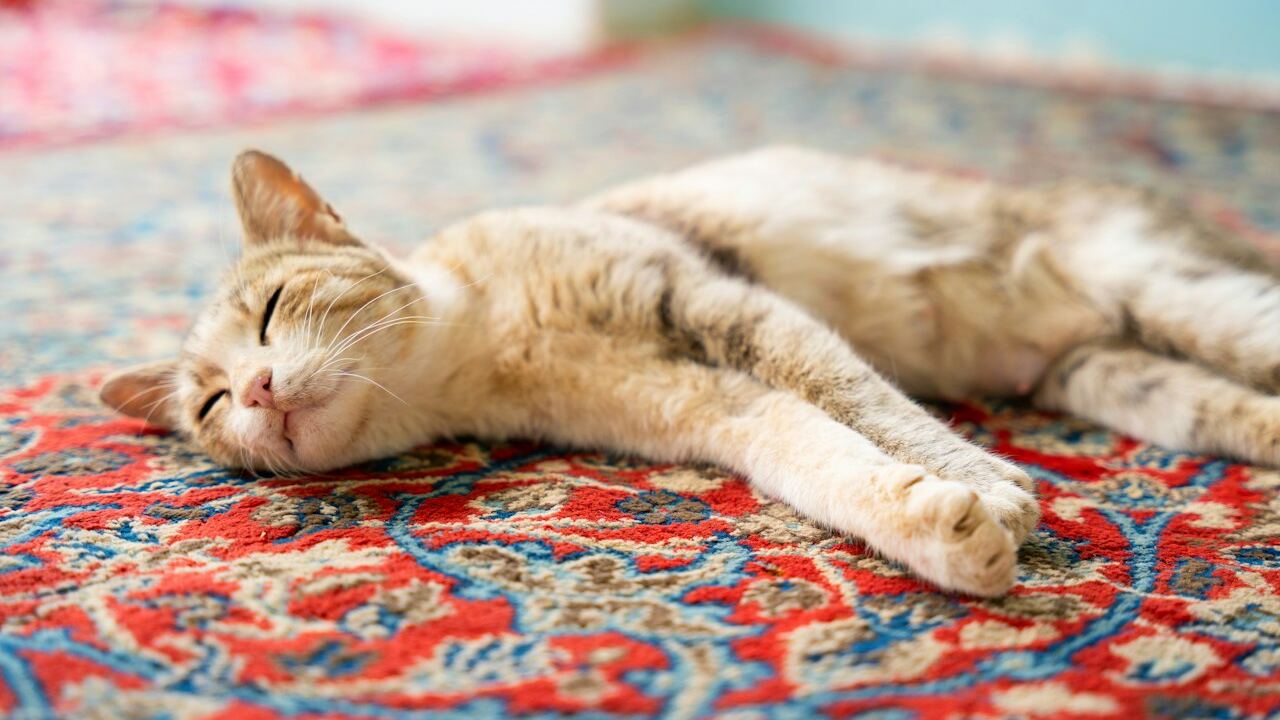
Cats choose closeness on their own terms, and a child who follows, lifts, or corners the cat can trigger swatting or hiding. Teaching respect for space keeps the cat calm and prevents handling injuries. This guide sets space boundaries, gives the cat exits, and coaches gentle choices. It is general guidance; persistent stress should be checked with a vet.
Cats choose their contact
A cat that approaches, rubs, or settles nearby offers contact; one that steps away, hides, or turns its tail means space. Children learn to read and accept the choice.
- Let the cat come to the child rather than reaching for it.
- Read tail flick, ear flattening, and withdrawal as a no.
- Do not follow a cat that leaves the room or climbs away.
- Respect the choice to rest out of reach.
Protect the cat's escape
A cat that can reach a high perch, shelf, or quiet room feels less trapped. Safe exits reduce swatting and the chase-hide cycle around children.
- Place a cat tree, shelf, or bed where the cat can get away.
- Keep a quiet room the cat can use alone during busy play.
- Ensure the litter box and food sit where kids cannot block them.
- Check that visitors do not corner the cat under furniture.
No forced holding or carrying
Holding a cat against its will, picking it up off the floor, or carrying it through a crowd is a common swat trigger. Contact stays on the cat's level and short.
- Greet at floor level; do not lift the cat for a hug.
- If held, support the body and put the cat down when it shifts.
- Keep pets brief; stop at the first twitch or turn away.
- Do not chase the cat under a bed or behind a chair.
Coach the children
Toddlers need guided hands and separation; preschoolers and older kids learn to read signals and step back. Space habits build with age.
- Toddlers (1–3): adult guides soft touch; no holding the cat.
- Preschoolers (3–6): wait for approach, then stroke gently.
- School-age (6+): respect the cat's retreat and tell siblings to back off.
- Praise a calm choice to let the cat leave.
Kittens, seniors, and personality
Kittens play-scratch and need short sessions; seniors prefer quiet; shy cats need slower exposure. Each cat's tolerance sets the contact.
- Kittens: redirect chase and scratches to toys; keep play brief.
- Adults: allow them to set how much handling they accept.
- Seniors: protect rest and avoid noise, picking up, or grabbing.
- Breed tendencies do not guarantee behavior; read the individual cat.
Common mistakes to avoid
Space breaks down when the child treats the cat like a cuddly toy, or adults ignore early warning signs. Letting the cat choose keeps visits calm.
- Wrong: Carry the cat around for the child to hug. Right: let it stay on its level and leave.
- Wrong: Chase a hiding cat out for play. Right: leave it in its quiet spot.
- Wrong: Petting a cat that flicks its tail. Right: stop and give space.
- Wrong: Assuming the cat will settle with more handling. Right: match contact to the cat's mood.
Frequently asked questions
How do I teach my child to respect the cat's space?
Wait for the cat to approach, keep touch short, give a high escape, and do not follow or hold the cat when it leaves. Praise the child for stepping back.
Why does my cat hide from my child?
Hiding is a normal way to feel safe around activity. Provide a quiet high spot, keep exposure gentle, and let the cat come out on its own.
Should my toddler hold the cat?
No. A toddler may squeeze or drop the cat; keep contact floor-level and guided by an adult, with the cat free to leave.
What if my cat keeps swatting near the child?
Reduce overhandling, give the cat an exit, and supervise contact. Repeated swatting, hiding, or withdrawal should be checked with a vet or behavior professional.
Do cats like being petted by visitors?
Not always. Visitors should let the cat choose, greet calmly, and avoid lifting or chasing it. A nervous cat deserves extra space around strangers.
Where this guidance comes from. We are a general parenting-and-pets editorial team, not a veterinary or pediatric practice. We cross-check our guides against public guidance from the CDC Healthy Pets, Healthy People and CDC guidance on cats and families. These are starting points for your own reading, not a diagnosis for your family or pet.
Not professional advice. This guide covers general household and safety information. For your child's health or your pet's behavior and medical care, contact your pediatrician or veterinarian directly. Do not rely on a website for urgent decisions.