Cat Body Language: A Quick Reference for Parents
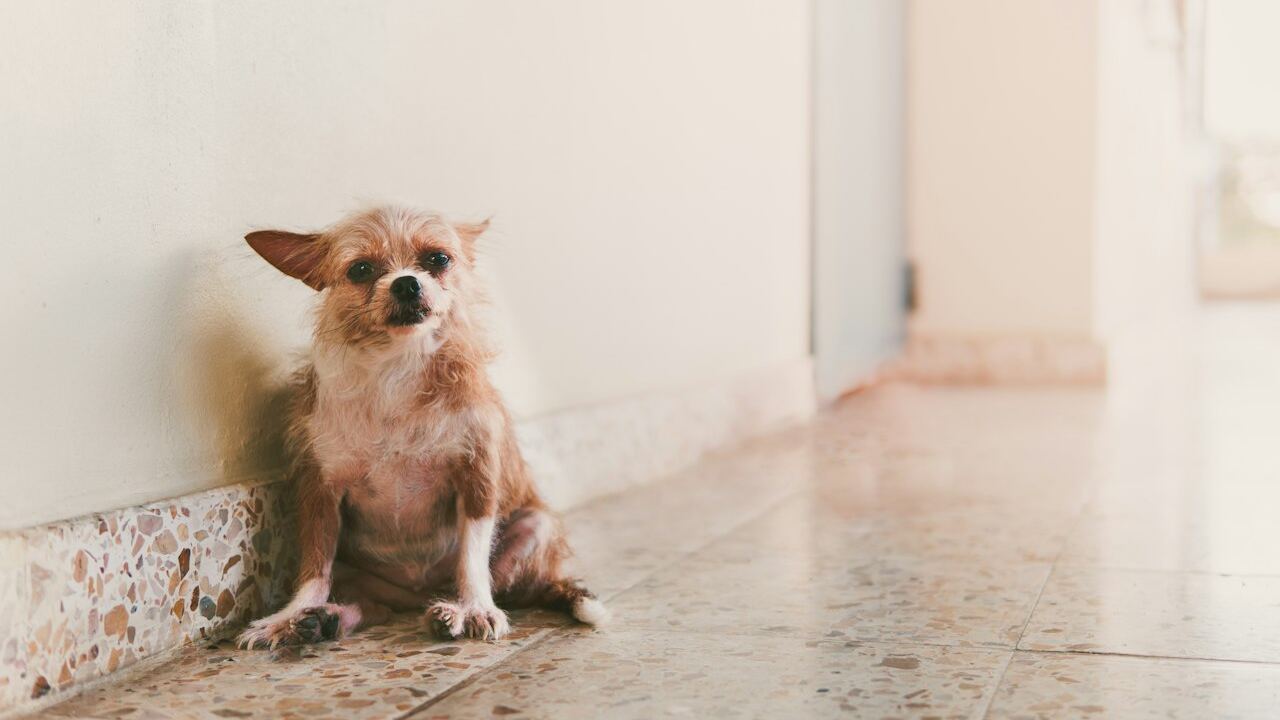
Cat comfort and stress show in ears, tail, eyes, whiskers, and posture, often in subtler ways than dogs. This quick reference groups calm, unsure, and warning signs so parents can give space early around children. It is general guidance; persistent fear or withdrawal should be checked with a vet.
Calm and relaxed
A relaxed cat has a soft, loose body, ears forward or sideways, a gently curved or swaying tail, and an open face. Voluntary approach adds to the picture.
- Loose body, soft paws, and a tail held in a soft curve or slow sway.
- Ears forward or sideways; slow blinks; whiskers relaxed.
- Approaching to rub against hands or settling nearby on its own.
- Purring or kneading can appear, but check the tail and body too.
Unsure or stressed
An uneasy cat begins to shift away, flick its tail, or flatten its ears. These cues mean the adult should stop petting and give room.
- Tail flicking, thumping, or a tight, twitching tail.
- Ears turned sideways or back; whiskers pushed forward.
- Dilated pupils, shifting away, or grooming as a delay.
- Freezing, repeated checking of the room, or backing toward an exit.
Warning signs
These signals mean the cat needs space now: hissing, swatting, flattened ears, or an arched puffed tail. Stop contact and do not reach to correct.
- Hissing, growling, or a quick swat with or without claws.
- Ears flat back, puffed tail, arched back, and bristled fur.
- Stalking or hiding under furniture; refusing to come out.
- Crouching to leap or dart away when approached.
Read tail and ears together
A cat's tail and ears reveal intent more than the face alone. A flicking tail or flattened ear should be read as the interaction ending.
- A high, relaxed tail often means greeting; a thumping tail means irritation.
- Forward ears mean interest; sideways or flat means stress or fear.
- Whiskers pulled forward signal focus or tension; relaxed whiskers signal calm.
- A puffed, arched tail and body mean alarm, not play.
Who the cat is
Kittens play-scratch and nip; seniors prefer quiet; shy cats need slower exposure. Individuals and breeds vary, but the setup respects the cat's choice.
- Kittens: chase and scratch during play; keep sessions short and supervised.
- Adult cats set their own handling limits; respect withdrawal.
- Senior cats rest more and react to noise, picking up, or grabbing.
- Breed tendencies do not guarantee behavior; read the cat in front of you.
- Toddlers (1–3) are guided to gentle touch; preschoolers (3–6) learn to read tail and ears and give space.
Common mistakes to avoid
Forcing closeness, missing the early tail flick, or treating a cat like a dog that enjoys being held are the main slips. Respect the cat's signals.
- Wrong: Purring means the cat wants to be held. Right: check tail, ears, and body direction.
- Wrong: Chase a cat to pet it. Right: wait for it to approach on its own.
- Wrong: Pick the cat up for a hug when it backs away. Right: greet at floor level.
- Wrong: Ignoring a swat as play. Right: end contact and give the cat space.
Frequently asked questions
What does a relaxed cat look like?
Loose body, soft forward or sideways ears, a gentle tail curve, and an open face. The cat may approach to rub or settle nearby on its own.
What is the first stress sign to notice?
A tail flick, ear turn, or shift away. At the first of these, stop touching and let the cat leave; do not wait for a hiss or swat.
Why does my cat purr but pull away?
Purring can occur under stress as well as comfort. Read the tail, ears, and body together; leaning away means the cat wants space.
What should I do if my cat swats at my child?
End contact, give the cat a quiet high escape, and avoid overhandling. Repeated swatting, hiding, or withdrawal should be checked with a vet or behavior professional.
Do kittens scratch the same way as adult cats?
Kittens use play scratches and nips during games, while adults may swat from fear or annoyance. Watch for stress cues; keep sessions short and supervised.
Where this guidance comes from. We are a general parenting-and-pets editorial team, not a veterinary or pediatric practice. We cross-check our guides against public guidance from the CDC Healthy Pets, Healthy People and CDC guidance on cats and families. These are starting points for your own reading, not a diagnosis for your family or pet.
Not professional advice. This guide covers general household and safety information. For your child's health or your pet's behavior and medical care, contact your pediatrician or veterinarian directly. Do not rely on a website for urgent decisions.