Protecting Pets from Baby Noises and Sudden Sounds
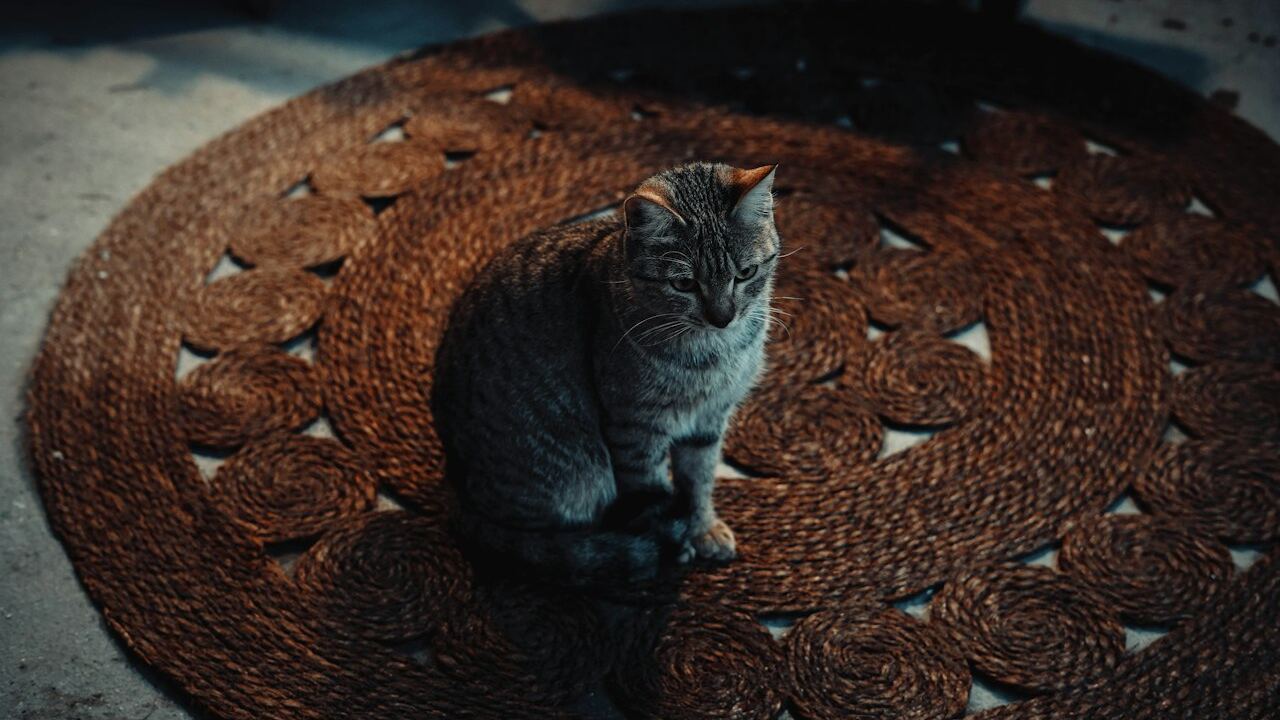
Crying, cooing, doorbells, play toys, and sudden household sounds can stress a pet, especially one unused to a baby. Predictable sound exposure, quiet retreats, and calm routine help the animal settle without being pushed. This guide covers noise triggers and safe setup. It is general guidance; persistent stress should be checked with a vet.
Common noise triggers
Crying, loud toys, sudden voices, doorbells, and electronic baby gear startle or overwhelm some animals. Recognizing the trigger helps protect the pet's space.
- Distinguish a startled reaction from ongoing stress or withdrawal.
- Note which sounds trigger pacing, hiding, or barking.
- Keep noisy toys and gear away from the pet's rest spot.
- Watch for tension during a baby's cries rather than reacting instantly.
Provide a quiet retreat
A room or corner away from loud baby activity gives the pet a place to settle. Retreats should hold water, bedding, and a familiar toy.
- Set up a quiet room or crate for the pet during busy moments.
- Keep the rest spot away from the nursery and high-traffic play.
- Provide familiar blankets and a chew for comfort.
- Check on the pet quietly without drawing the whole group over.
Gradual sound exposure
Rather than throwing the pet into constant crying or noise, introduce sounds at a low, steady level alongside routine and calm attention. Pressure-free exposure lowers stress.
- Let the pet hear recorded baby sounds or cooing at a low level.
- Pair exposure with meals, walks, or favorite toys.
- Do not force the pet near a crying baby; keep a respectful distance.
- Build calm gradually over days and weeks, not one rushed session.
Keep routine steady
Feeding, walks, rest, and one-on-one time protect the pet from feeling displaced by the baby. Predictable rhythm reduces reaction to household noise.
- Maintain feeding and walking times after the baby arrives.
- Keep a quiet one-on-one moment each day.
- Protect the pet's own rest and play schedule.
- Avoid loud scolding or dramatic responses to pet reactions.
Dogs, cats, and child age
Dogs may bark or pace at crying; cats may withdraw or seek high spots. Infants and toddlers bring the most unpredictable sounds, so setup matters early.
- Dogs: use a quiet retreat or leash reset; watch barking at the baby.
- Cats: offer a high escape; do not corner a stressed hiding cat.
- Infants (0–1): give the pet space from the newborn's cries and gear.
- Toddlers (1–3) and preschoolers (3–6): keep noisy toys away from pet rest.
Common mistakes to avoid
Noise stress worsens when the pet is kept in the loudest room, or adults react dramatically to every startle. A protected retreat and calm routine settle the animal.
- Wrong: Keeping the pet where the baby cries nonstop. Right: offer a quieter retreat.
- Wrong: Reassuring the pet over every sound. Right: stay calm and keep routine steady.
- Wrong: Dragging the pet into the nursery to get used to noise. Right: let it approach at its own pace.
- Wrong: Ignoring repeated hiding or barking. Right: note the trigger and seek vet or trainer input if it persists.
Frequently asked questions
Why does my pet react to my baby's crying?
The high-pitched, sudden sound can startle or overwhelm an animal unused to a baby. Offer a quiet retreat, keep routine steady, and avoid forcing closeness.
Where should my pet sleep during a noisy baby period?
In a quiet room or crate away from nursery noise, with water, bedding, and a familiar toy. Check on the pet calmly during breaks.
Should I play baby sounds for my pet?
Gradual low-level exposure paired with meals or toys can help, but do not force the pet near crying or loud sounds. Build calm over time.
How do I stop my dog from barking at the baby?
Keep the dog in a quiet retreat, protect routine, and supervise contact. Repeated barking, guarding, or stress around the child should go to a trainer or vet.
What signs mean my pet is overstressed by noise?
Persistent hiding, withdrawal, pacing, loss of appetite, or repeated warning signs. If these continue, check with a veterinarian rather than waiting it out.
Where this guidance comes from. We are a general parenting-and-pets editorial team, not a veterinary or pediatric practice. We cross-check our guides against public guidance from the CDC Healthy Pets, Healthy People and AAP HealthyChildren baby section. These are starting points for your own reading, not a diagnosis for your family or pet.
Not professional advice. This guide covers general household and safety information. For your child's health or your pet's behavior and medical care, contact your pediatrician or veterinarian directly. Do not rely on a website for urgent decisions.