 Welcoming Baby
Preparing Your Dog for a New Baby: A Week-by-Week Plan
Bringing a newborn home reshapes your dog’s routine, noise level, and the space it used to own.
Preparing your dog or cat for a newborn and the transition after you bring the baby home.
Welcoming Baby
Bringing a newborn home reshapes your dog’s routine, noise level, and the space it used to own.
 Welcoming Baby
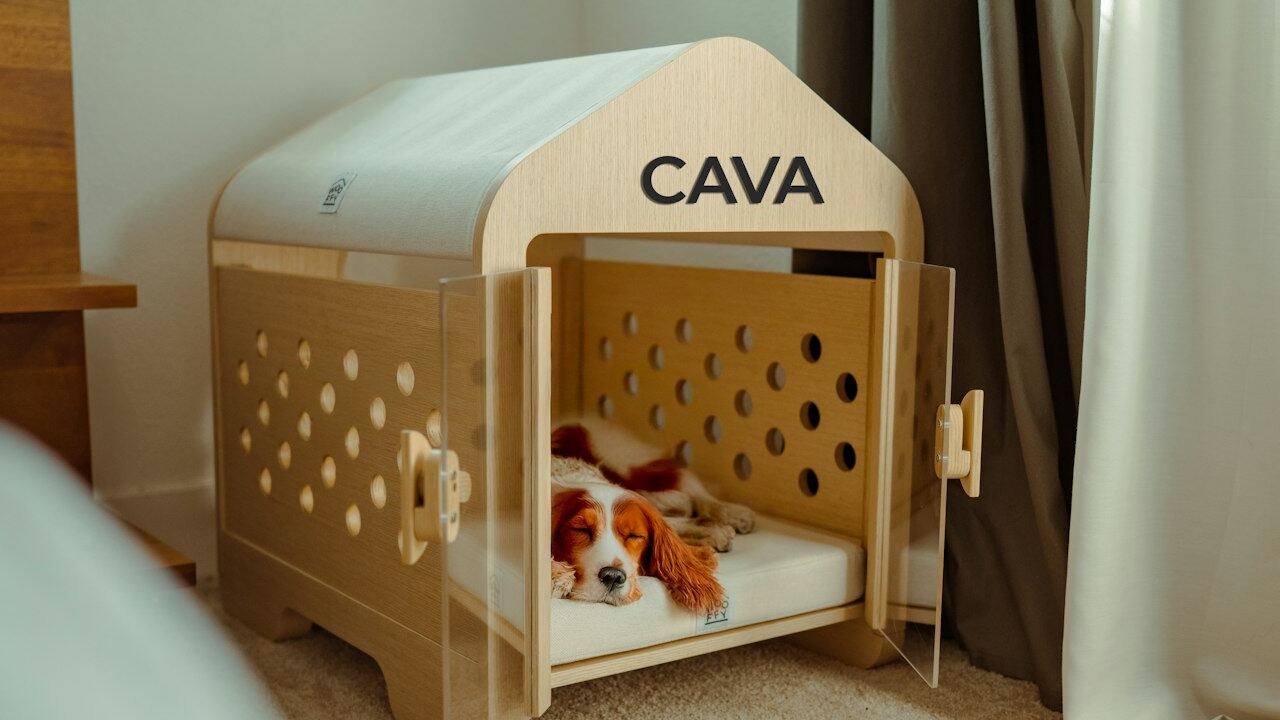
Cats respond to change through scent, routine, and safe space, and preparation means helping the cat feel secure rather than forcing contact with the baby.
 Welcoming Baby
The first meetings between a pet and newborn should be calm, short, and adult-controlled, for dogs and cats alike.
 Welcoming Baby
After a baby arrives, some pets seek attention, cling, act restless, or seem displaced.
 Welcoming Baby
A newborn's demands can crowd out the walks, meals, and quiet time a pet relies on, but staying connected protects the animal's calm and the family's bond.
 Welcoming Baby
A new baby changes the household again, and a pet who settled the first time may still show stress, displaced behavior, or tension.
 Welcoming Baby
The nursery is the baby's protected sleep and care zone, and the setup must keep the pet out of the crib, bassinet, and sleep area while still letting the animal feel part of the home.
 Welcoming Baby
Labor, hospital time, and the first hours home need a plan for the pet so it stays calm, safe, and out of the way while the family focuses on the birth.
 Welcoming Baby
Deciding whether to add a dog or cat before a baby is a choice about lifestyle, budget, space, and long-term care.
 Welcoming Baby
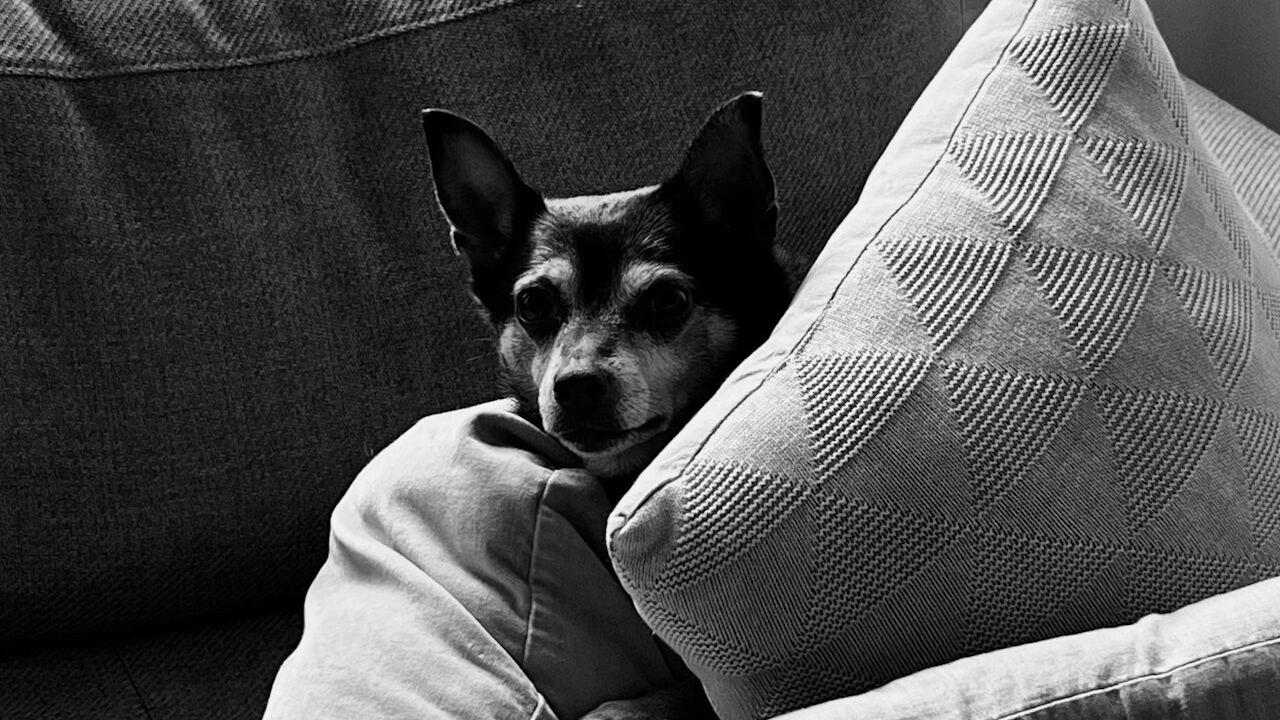
Some dog breeds are known for calm, tolerant temperaments around children, but breed is only a starting point: individual personality, training, and socialization matter most.
 Welcoming Baby
Some cat breeds are known for relaxed, sociable temperaments around children, but individual personality and past handling matter more than the breed label.
 Welcoming Baby
Before a newborn comes home, look honestly at how your dog or cat currently behaves around children, noise, and handling.
 Welcoming Baby
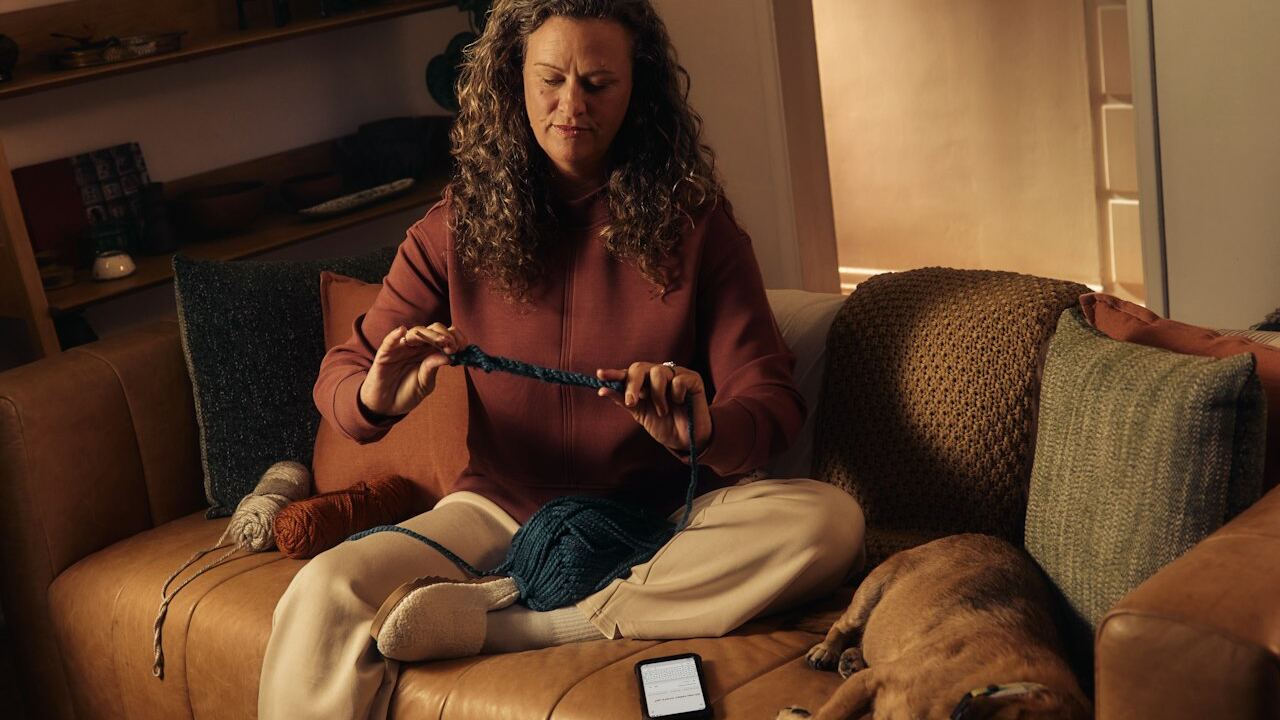
The months during pregnancy are the right time to steady the pet's routine, set boundaries, and fix any behavior gaps before the newborn arrives.
 Welcoming Baby
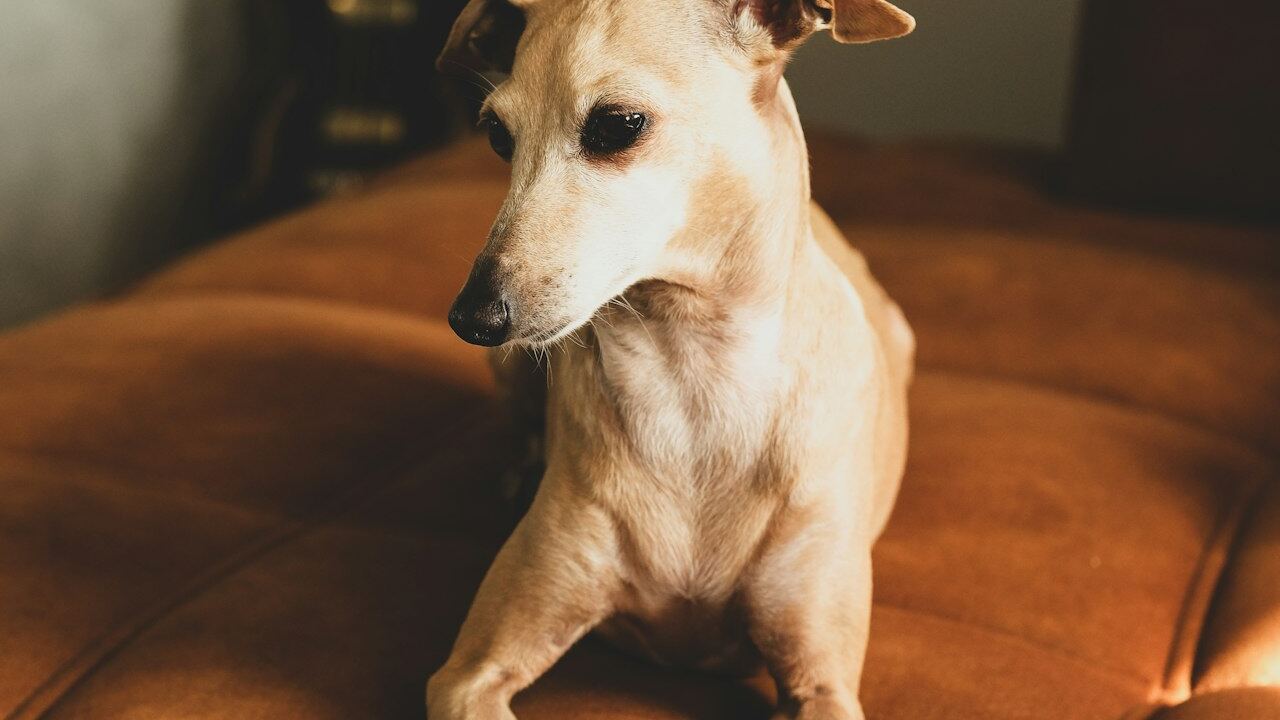
Pets read the home through smell and sound, so getting a dog or cat used to baby scents and noises before the newborn arrives helps the first meeting feel less startling.
 Welcoming Baby
The first week after bringing the baby home sets the tone for how the pet settles in.
 Welcoming Baby
After a baby arrives, some dogs push for attention, follow closely, act restless, or guard space around the newborn.
 Welcoming Baby
Cats can show displacement through hiding, withdrawal, attention-seeking, or changes in litter habits after a baby arrives.
 Welcoming Baby
Many parents worry the pet will feel replaced when a baby comes.
 Welcoming Baby
Clear nursery boundaries protect the baby's sleep and care area while helping the pet know which spaces are off-limits.
 Welcoming Baby
Cries, coos, and sudden baby sounds can surprise a dog or cat, and reactions range from curiosity to stress.
 Welcoming Baby
A second arrival resets the household again, and the pet now shares space with a newborn and an older child.
 Welcoming Baby
A newborn’s sleep schedule and a pet’s rest habits live under one roof, and unclear boundaries can leave everyone unsettled.
 Welcoming Baby
Some pets do not settle after the newborn comes home, showing persistent stress, guarding, avoidance, or warnings.
 Welcoming Baby
Family and friends coming to see the baby may not know your pet's boundaries, and their children may approach freely.