Keeping Pets Out of the Nursery and Sleep Area
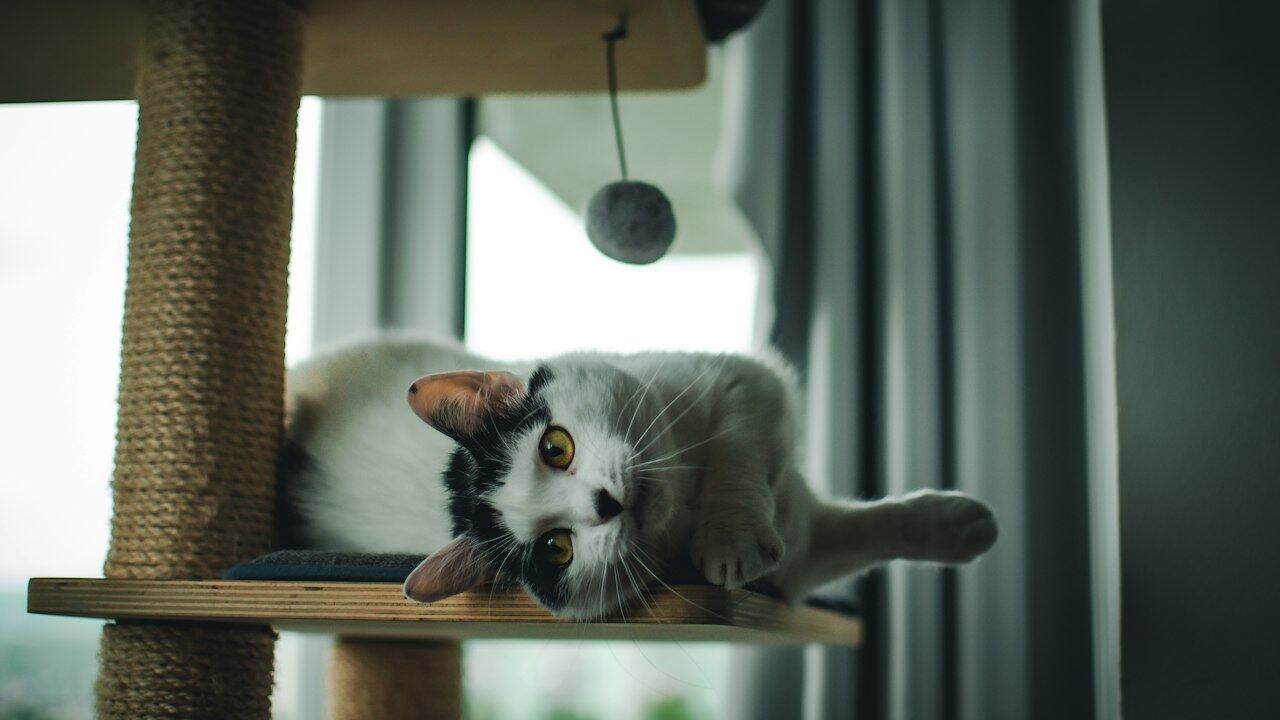
The nursery and crib are protected baby spaces that pets must not enter, whether the door is closed or a gate guards the opening. Clear separation at sleep time keeps the newborn's area secure. This guide covers door and gate setup and daily habits. It is general home safety guidance.
Why the nursery stays off-limits
Pets can climb into cribs, lie on blankets, or disturb rest, and baby sleep surfaces must stay reserved for the child. No animal enters the sleep area at any time.
- Keep the pet out of the crib, bassinet, and co-sleeper.
- Do not let the animal nap on nursery blankets or gear.
- Protect the baby's sleep surface from fur and access.
- Keep doors or gates arranged for separation day and night.
Door and gate setup
A closed door is the most reliable barrier; a gate at the opening works when the door must stay open. The barrier should fit snugly and resist pushing or climbing.
- Close the nursery door during sleep and unsupervised moments.
- Use a secure gate if the door needs to stay open.
- Check gaps and height so the pet cannot slip through.
- Keep the pet's retreat nearby but outside the nursery.
Prevent climbing and access
Cats jump low barriers, and dogs may push or lean. Remove nearby furniture the animal could leap from, and keep nursery surfaces clear of reaching hands.
- Move chairs, boxes, or tables away from the crib and gate.
- Store blankets and sleep gear closed out of the pet's reach.
- Offer the cat a high perch outside the nursery instead.
- Watch for repeated attempts to enter the sleep area.
Safe separation at night
Overnight, the pet stays in its own room, crate, or quiet area. Clear separation prevents climbing into the sleep zone and keeps the baby's rest undisturbed.
- Confine the pet to its own space for the night.
- Keep water and bedding accessible in the pet's night spot.
- Do not bring the pet into the nursery during sleep hours.
- Respond calmly to nighttime needs without rewarding alarm.
Age and species fit
The nursery boundary starts before the baby arrives and tightens as the child grows. Dogs seek bedrooms; cats seek soft beds and warm spots, so both need protected separation.
- Infants (0–1): seal the sleep area from night one.
- Toddlers (1–3) and preschoolers (3–6): keep gates and doors respected.
- Dogs: keep a crate or bed outside the nursery doorway.
- Cats: store blankets closed and keep perches clear of the crib.
Common mistakes to avoid
Nursery safety slips when a gate is loose, nearby furniture helps a pet climb, or the door stays open during rest. A snug, clear barrier keeps the area protected.
- Wrong: Letting the cat sleep in the nursery corner. Right: keep the animal out of the sleep area.
- Wrong: Leaving a chair by the crib for the dog to leap from. Right: remove nearby climbing aids.
- Wrong: Assuming a low gate stops a cat. Right: use a closed door or taller barrier.
- Wrong: Opening the nursery all day. Right: separate during sleep and unsupervised moments.
Frequently asked questions
How do I keep my dog out of the baby's nursery?
Keep the door closed or fit a secure gate at the opening, remove nearby climbing furniture, and give the dog a retreat nearby but outside the nursery.
Can a cat be in the nursery while the baby sleeps?
No. Keep pets out of the sleep area at any time. Use a closed door or tall barrier, store blankets closed, and give the cat a perch outside.
What barrier works best for the nursery?
A closed door is most reliable. A secure gate works if the door must stay open; check fit, gaps, and height so the pet cannot push or jump through.
Where should the pet sleep during a newborn period?
In its own room, crate, or quiet area outside the nursery, with water and bedding accessible. Keep the baby's sleep surface fully separated.
Should I remove furniture from near the crib?
Yes. Remove chairs, boxes, and tables a pet could leap from, and keep nursery blankets closed and out of the animal's reach.
Where this guidance comes from. We are a general parenting-and-pets editorial team, not a veterinary or pediatric practice. We cross-check our guides against public guidance from the CDC Healthy Pets, Healthy People. These are starting points for your own reading, not a diagnosis for your family or pet.
Not professional advice. This guide covers general household and safety information. For your child's health or your pet's behavior and medical care, contact your pediatrician or veterinarian directly. Do not rely on a website for urgent decisions.