Baby Gates and Pet Barriers That Keep Dogs and Cats Separate Safely
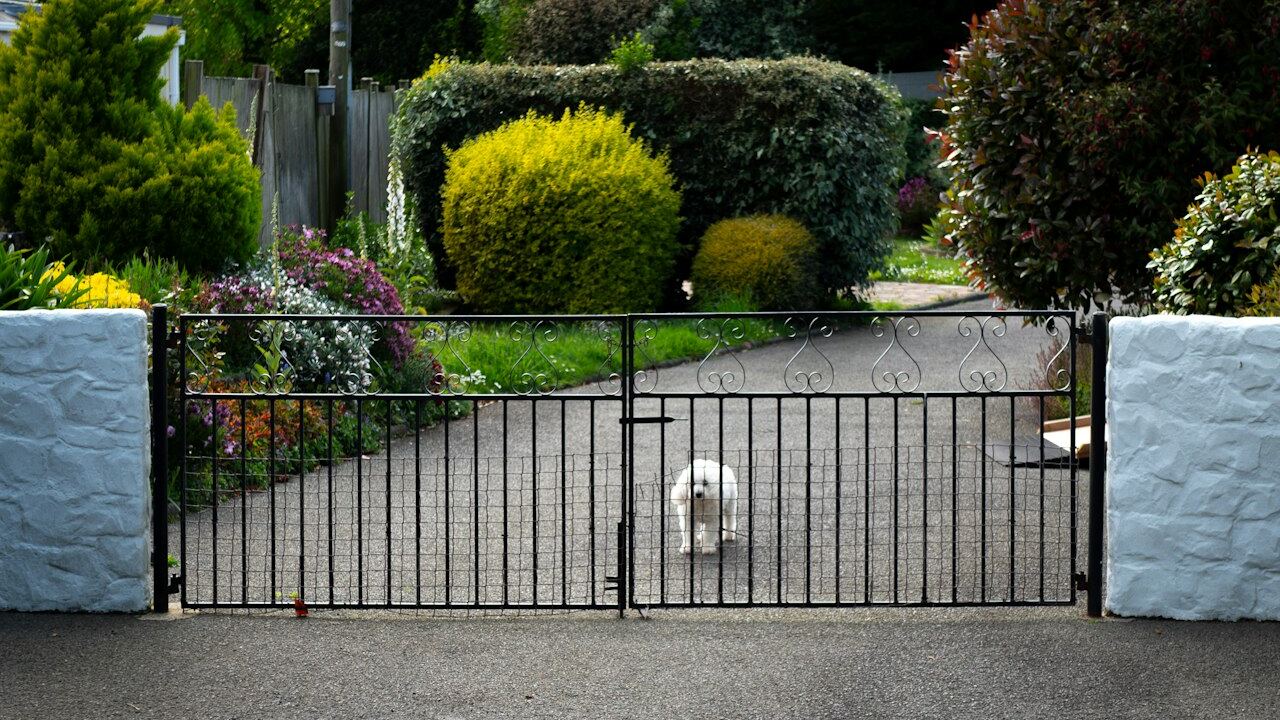
Gates and barriers are the physical layer of a safe home: they separate child and pet when an adult cannot watch, and give the animal a retreat. This guide covers gate types, where to install them, and how to choose barriers that hold the animal's size and the child's age. It is general household setup advice.
What gates and barriers do
A gate creates secure separation when supervision is not possible, such as during cooking, baths, or busy mornings. It is a setup tool, not a replacement for active supervision during contact.
- Separate child and pet when the adult's hands are busy or attention is split.
- Give the pet a quiet room or side of the gate away from running kids.
- Keep barriers in place near nurseries, kitchens, and high-chair areas.
- Use gates alongside the household rules, not instead of teaching gentle touch.
Choose the barrier to the animal
The right gate depends on the pet's size, climbing ability, and strength. A barrier that holds a small cat may not contain a large or jumping dog.
- Large or jumping dogs: use a tall, sturdy pressure-mounted or hardware-mounted gate.
- Small dogs and cats: keep bars close enough that a cat cannot slip through or squeeze under.
- Climbing pets: choose a solid panel rather than wide slats to discourage scaling.
- Check weight and height ratings; a gate should not topple when leaned on.
Where to install barriers
Place gates at the gaps where supervision most often slips: kitchen doorways, nursery entrances, stairs, and the pet's retreat. A layout of barriers matches the home's main flow.
- Block the nursery and crib area so the pet cannot reach the sleep zone.
- Gate the kitchen during meal prep and cleanup, away from the high chair.
- Set up a gate or door around the pet's retreat when the child is loud or tired.
- Use a barrier at stairs to keep the pet off climbing toddlers' level.
Age and use case
How heavily barriers are used changes as the child grows. Infants need protected sleep zones; toddlers need physical separation more often; older kids follow rules but still respect rest space.
- Infants (0–1): gate the nursery and sleep area; supervise floor contact closely.
- Toddlers (1–3): use gates whenever the adult cannot watch; keep the pet's retreat gated.
- Preschoolers (3–6): barriers mark rest and food zones; children practice asking and leaving.
- School-age (6+): fewer gates needed in shared space, but retreat and feeding stay protected.
Keep barriers safe and usable
A gate that is loosely fitted, blocked by clutter, or left half-open stops working. Routine checks keep the setup safe and make the pet's retreat accessible.
- Confirm the gate latches and closes fully each time it is used.
- Keep the pet's side stocked with water, bedding, and a chew or toy.
- Do not pile coats, bags, or toys against the barrier where it can be climbed.
- Check for sharp edges, loose bars, or gaps small hands and paws can reach.
Common mistakes to avoid
Gate errors are usually about size, placement, or treating a barrier like supervision. Set the gate to hold the animal and match the home's real gaps.
- Wrong: A gate replaces watching. Right: a gate is separation; watching is supervision.
- Wrong: One low gate for a large jumping dog. Right: choose a tall, sturdy barrier matched to size.
- Wrong: Blocking the pet's only exit. Right: keep the retreat reachable and the animal comfortable.
- Wrong: Leaving the gate open 'just for a minute.' Right: close it whenever contact is unsupervised.
Frequently asked questions
What kind of gate stops a large dog?
A tall, sturdy gate with a secure latch, ideally hardware-mounted, that matches the dog's height and strength. Check the bar spacing and weight rating before relying on it.
Can a baby gate keep a cat in?
A standard baby gate may not; cats slip through gaps or climb over. Use close-spaced bars, a solid panel, or a closed door for cats, and give them an upper perch.
Should the gate be near the baby's room?
Yes. Gate the nursery entrance and keep the pet out of the crib, bassinet, and sleep area. The gate separates them overnight and during naps.
Pressure-mounted gates are safe?
For a light fit they work, but large or leaning dogs may push them. Hardware-mounted gates are sturdier where separation matters most.
When do I need fewer gates?
As the child grows and follows rules, shared space can open up, but feeding, rest, and retreat zones stay protected. Remove barriers gradually, not all at once.
Where this guidance comes from. We are a general parenting-and-pets editorial team, not a veterinary or pediatric practice. We cross-check our guides against public guidance from the CDC Healthy Pets, Healthy People and AAP HealthyChildren baby section. These are starting points for your own reading, not a diagnosis for your family or pet.
Not professional advice. This guide covers general household and safety information. For your child's health or your pet's behavior and medical care, contact your pediatrician or veterinarian directly. Do not rely on a website for urgent decisions.