Grooming and Shedding in a Home With Children
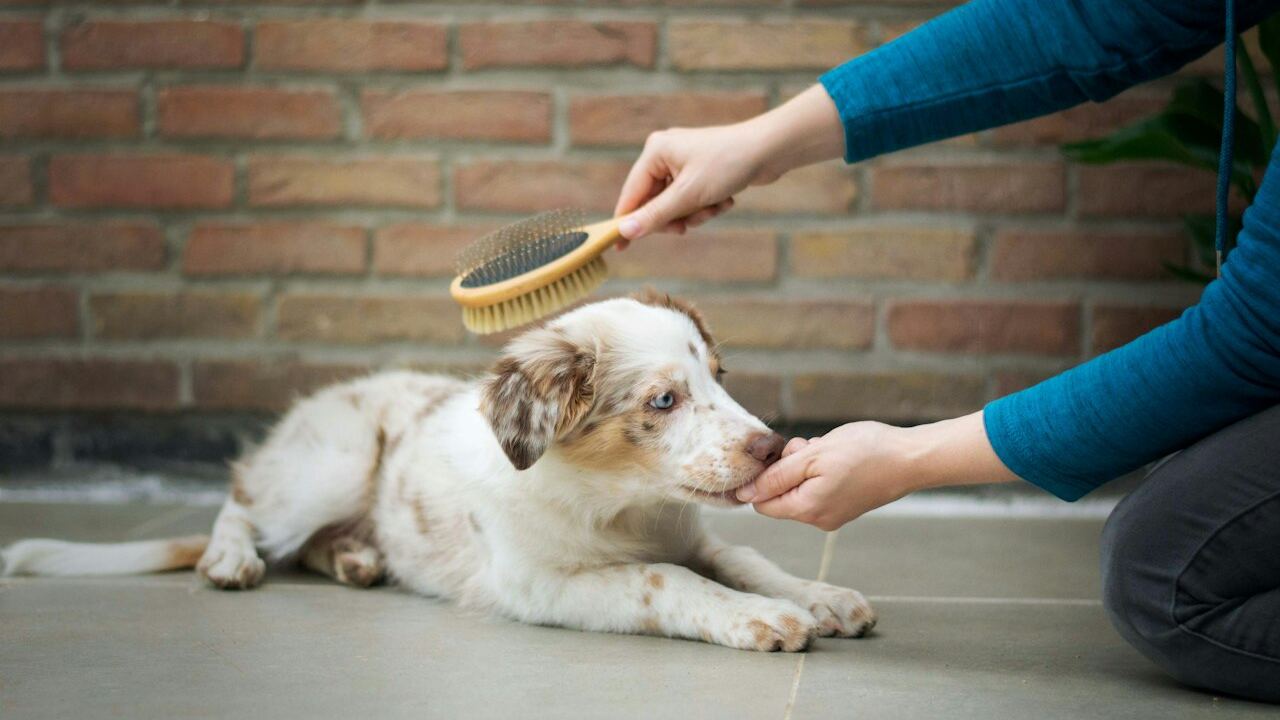
Regular grooming cuts loose hair, keeps the coat healthy, and makes cleanup easier for the whole family. This guide sets a brushing routine for dogs and cats, matches frequency to coat type, and explains how children of different ages can help safely. General household guidance; skin or coat changes should be checked by a vet.
Set a grooming routine by coat
Brushing on a schedule removes loose fur before it lands on floors and furniture. The right brush and frequency depend on the pet's coat length and texture.
- Short coats: brush once or twice a week to remove loose fur and lift dust.
- Long or double coats: brush several times a week to prevent mats and reduce shedding.
- Use a brush suited to the coat; harsh tools can irritate skin.
- Groom in a designated spot away from the baby's main play and feeding area.
Make grooming child-friendly by age
Children can participate at a level that keeps the pet calm and keeps hands safe. The role changes with age rather than forcing full responsibility too early.
- Toddlers: watch and learn gentle handling; they do not hold the brush or groom the pet.
- Preschoolers: can help with a soft brush or a lint roller under close supervision.
- School-age children: can brush, check the coat, and help wash bedding, still overseen by an adult.
- Stop any session if the pet tenses, turns away, or shows stress signals.
Clean up fur as you go
Quick cleanup after grooming keeps hair from spreading to play areas and food spaces. A fixed routine reduces buildup between sessions.
- Keep a lint roller or pet hair brush near the main living area.
- Vacuum floors and upholstery after heavy shedding periods.
- Wash pet bedding and washable blankets on a regular schedule.
- Brush the pet away from where the baby eats or sleeps.
Dog vs cat and coat differences
Dogs and cats drop fur in different ways, and coat type changes how much maintenance the household needs.
- Double-coated breeds shed heavily in seasonal transitions and need more frequent brushing.
- Cats groom themselves, but brushing still removes loose fur and helps hairball control.
- Long-haired cats and dogs mat more easily and need regular combing, not just brushing.
- Senior pets may groom less and need extra help keeping the coat clean and tangle-free.
Common mistakes to avoid
Shedding problems usually come from skipping grooming or using the wrong tool.
- Do not wait until fur is everywhere before brushing.
- Do not bathe the pet more often than the vet recommends; over-bathing can irritate skin.
- Do not use a shedding tool on sensitive areas or against the skin.
- Do not assume heavy shedding is always normal; coat or skin changes may be a health sign.
Ask the vet about skin changes
Heavy shedding, bare patches, a dull coat, or irritated skin may signal a health issue rather than normal grooming needs. The vet can tell whether it is diet, parasites, skin condition, or normal seasonal shedding.
- Note appetite, energy, and any itching alongside the coat changes.
- Check for fleas, ticks, or redness on the skin.
- Bring the grooming brush and any food you use to the visit if the vet asks.
- Do not start a new supplement or treatment without veterinary advice.
Frequently asked questions
How often should I brush a shedding pet?
Short coats once or twice a week; long or double coats several times a week. Increase brushing during seasonal shedding, and match the tool to the coat type.
Is heavy shedding a sign of illness?
It can be normal seasonal shedding, but bare patches, a dull coat, itchy or red skin, and changes in appetite or energy should be checked by a vet rather than assumed to be normal.
Can a young child brush the pet alone?
No. Toddlers watch and learn; older children help under adult supervision. Grooming needs calm handling, and an adult should make sure the pet stays relaxed.
Does bathing reduce shedding?
Bathing removes loose fur for a short time, but regular brushing, washing bedding, and vacuuming matter more. Follow the vet's advice on how often to bathe the coat.
What should I do if my pet develops mats?
Comb out small mats gently; never cut them with scissors. If mats are tight or cover a large area, ask a professional groomer or vet to avoid hurting the skin.
Where this guidance comes from. We are a general parenting-and-pets editorial team, not a veterinary or pediatric practice. We cross-check our guides against public guidance from the CDC Healthy Pets, Healthy People. These are starting points for your own reading, not a diagnosis for your family or pet.
Not professional advice. This guide covers general household and safety information. For your child's health or your pet's behavior and medical care, contact your pediatrician or veterinarian directly. Do not rely on a website for urgent decisions.