Gentle Play With the Family Pet
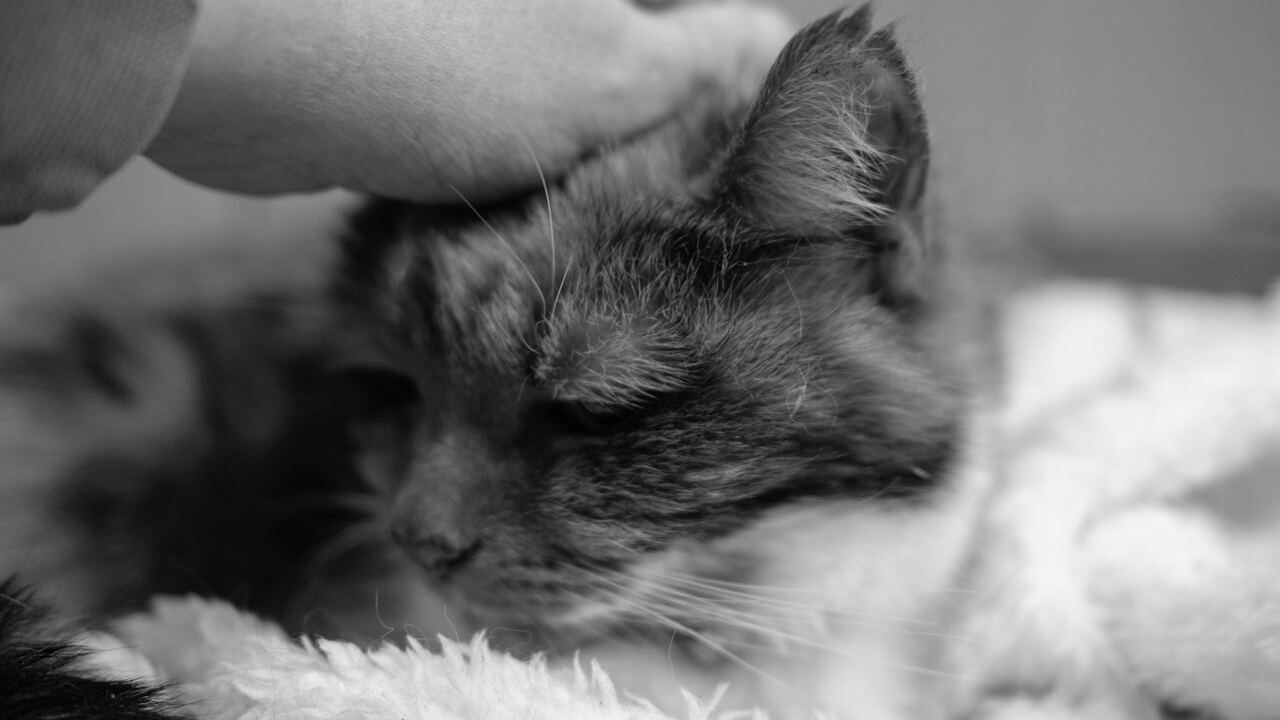
Calm, kind play keeps the child-pet bond positive and prevents the roughhousing that leads to warnings. Toy-based games, soft touch, and supervised short sessions help the whole family interact safely. This guide sets gentle play habits. It is general family guidance.
What gentle play looks like
Gentle interaction uses soft hands, calm voice, and toys rather than hands for games. Contact stays brief, relaxed, and voluntary for the pet.
- Stroke the back or side with an open soft hand.
- Use fetch, wand toys, or balls for supervised play.
- Keep voice quiet and movements slow around the animal.
- Let the pet choose to join and leave the session.
Set boundaries on rough contact
Hugs tight, climbing, riding, chasing, and grabbing are not gentle play. These are redirected to toys and calm touch before they escalate.
- Stop climbing, riding, and leaning over the pet.
- Redirect tight hugs and grabs to soft strokes.
- Do not chase the animal around the room.
- Keep food, bed, and toy zones off limits to children.
Keep sessions short and calm
Play ends before excitement peaks, so the pet does not mouth hard or overstimulate. Short relaxed interactions leave the animal settled afterward.
- Keep games brief and wind down on a calm note.
- Watch for stiffness, staring, or excitement rising.
- Offer a chew or quiet retreat after play.
- Reassess contact if the child or pet gets overexcited.
Supervise every interaction
An adult stays present for child-pet play, ready to step in early. Supervision keeps gentle rules consistent and prevents unsupervised roughhousing.
- Stay within arm's reach during contact.
- Coach soft greetings and ask-first approach.
- Use gates during busy household moments.
- Watch body language across child and animal.
Age and species fit
Gentle play grows with the child's ability to follow rules, and dogs and cats enjoy different games. The session respects the pet's temperament and rest.
- Toddlers (1–3): adult-guided soft touch, no rough play.
- Preschoolers (3–6): practice gentle toys and calm greetings.
- School-age (6+): lead supervised gentle games and care.
- Dogs and cats: match toys and contact to the species' signals.
Common mistakes to avoid
Play turns rough when hands become toys, sessions run too long, or the pet's rest is disturbed. Calm toy-based interaction protects the bond.
- Wrong: Wrestling or tugging with the child's hands. Right: use toys and keep contact gentle.
- Wrong: Letting the pet nip during play. Right: stop the game and redirect to a toy.
- Wrong: Starting play near the pet's bed or meal. Right: keep rest and food zones separate.
- Wrong: Leaving kid and pet to play alone. Right: an adult guides every session.
Frequently asked questions
What counts as gentle play with a family pet?
Soft open-hand touch, toy-based games, calm voice and movement, and short voluntary sessions. No hugging tight, climbing, chasing, or grabbing.
How do I stop my child from roughhousing the pet?
Redirect climbing, hugs, and grabs to soft strokes or toys, keep play short and calm, and supervise every interaction. Protect the pet's rest and food zones.
Should my child play with the pet unsupervised?
No. An adult stays present for contact, ready to step in. Use gates during busy moments, and watch body language on both sides.
What if my dog mouths during play?
Stop the game early, redirect to a toy, and keep sessions calm. Hard mouthing or repeated warnings should be reviewed by a qualified trainer or vet.
Do cats like gentle play?
Yes, with wand toys, balls, and soft contact at the cat's pace. Provide a high escape, do not hold or corner the cat, and keep sessions short.
Where this guidance comes from. We are a general parenting-and-pets editorial team, not a veterinary or pediatric practice. We cross-check our guides against public guidance from the CDC Healthy Pets, Healthy People. These are starting points for your own reading, not a diagnosis for your family or pet.
Not professional advice. This guide covers general household and safety information. For your child's health or your pet's behavior and medical care, contact your pediatrician or veterinarian directly. Do not rely on a website for urgent decisions.