 Bonding & Growth
How Pets Help Children Build Empathy and Care
Caring for an animal gives children practice in noticing another being's needs, feelings, and boundaries.
Empathy, responsibility, age-appropriate care, emotional support and grief.
Bonding & Growth
Caring for an animal gives children practice in noticing another being's needs, feelings, and boundaries.
 Bonding & Growth
Looking after a pet builds responsibility and a close bond, but tasks must match what a child can safely do.
 Bonding & Growth
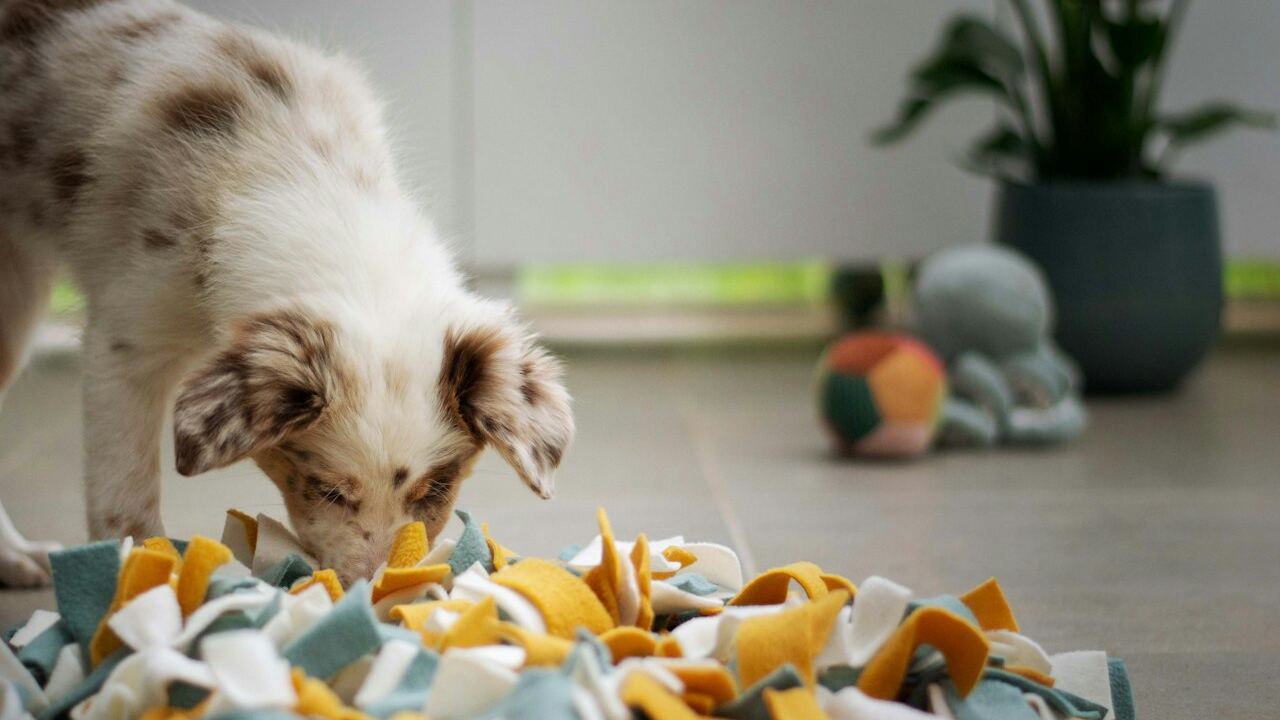
Shared gentle play helps children and pets build trust, burn energy, and enjoy time together.
 Bonding & Growth
Children often turn to a pet for comfort, quiet company, and a nonjudgmental listener.
 Bonding & Growth
A steady daily routine turns a child and pet into a bonded pair that shares space, play, and quiet time.
 Bonding & Growth
As a pet slows down, develops health needs, or changes its routine, children notice the differences.
 Bonding & Growth
A pet’s death can be a child’s first real grief, and it deserves honest, gentle support.
 Bonding & Growth
Some well-meaning choices weaken the bond between a child and pet: forced closeness, rough play, ignored stress, or treating the animal as a toy.
 Bonding & Growth
Caring for an animal teaches children to notice another being's needs, read signals, and respond with kindness.
 Bonding & Growth
Sharing pet care helps children build responsibility and closeness, but tasks must match the child's age and the pet's comfort.
 Bonding & Growth
Shared calm activities with the family pet build closeness between parents, children, and the animal.
 Bonding & Growth
Pets can offer steady comfort and companionship to children, especially during busy or unsettled periods.
 Bonding & Growth
A pet feels like a real family member through steady daily rituals: meals, walks, care, and quiet time together.
 Bonding & Growth
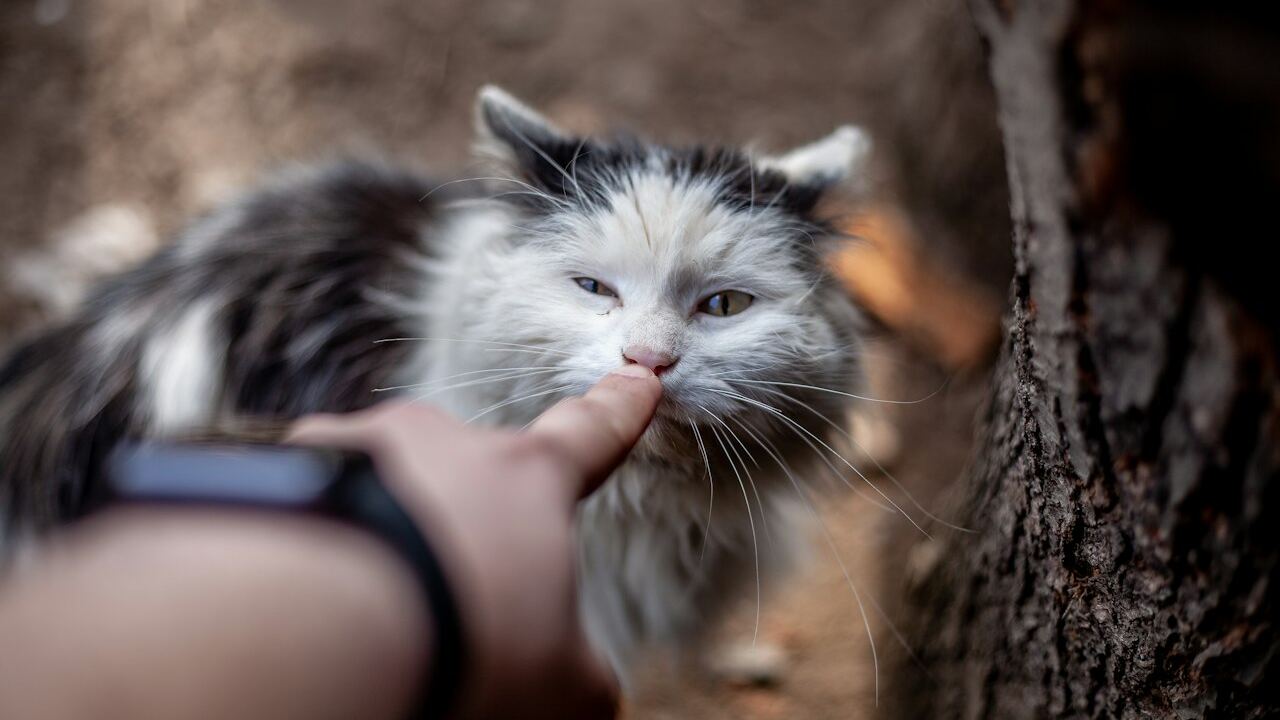
A shy pet takes time to trust new people, and children need patient, low-pressure contact rather than chasing or cuddling.
 Bonding & Growth
As a dog or cat grows older, children may notice slower movement, quieter play, and changing needs.
 Bonding & Growth
Losing a family pet can be a child's first real experience of death and sadness.
 Bonding & Growth
Simple family tributes and keepsakes help children keep the bond with a departed pet in a warm, settled way.
 Bonding & Growth
Well-meaning choices can leave a pet stressed or disconnected from the family, from unsupervised rough play to ignoring the animal's signals.
 Bonding & Growth
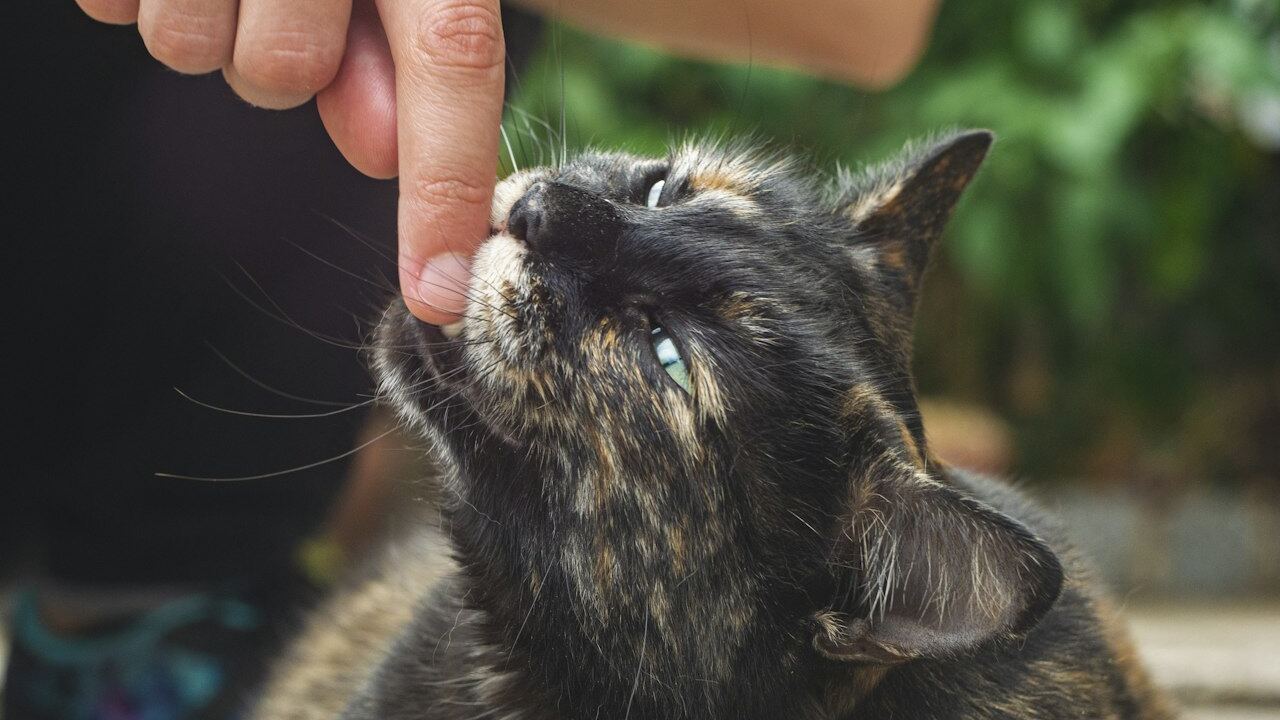
A pet's comfort, trust, and bond with the family show through body language, approach, and how it responds to the children.
 Bonding & Growth
Responsibility toward a pet builds gradually as the child matures, with adults holding the safety and medical decisions.
 Bonding & Growth
Calm, kind play keeps the child-pet bond positive and prevents the roughhousing that leads to warnings.
 Bonding & Growth
A reserved or nervous animal trusts slowly, and children need patience, quiet space, and no pressure to be affectionate.
 Bonding & Growth
A strong child-pet bond should respect the animal's rest, signals, and personal space, not treat the pet as a toy for the child.