Talking to Children About an Aging Pet
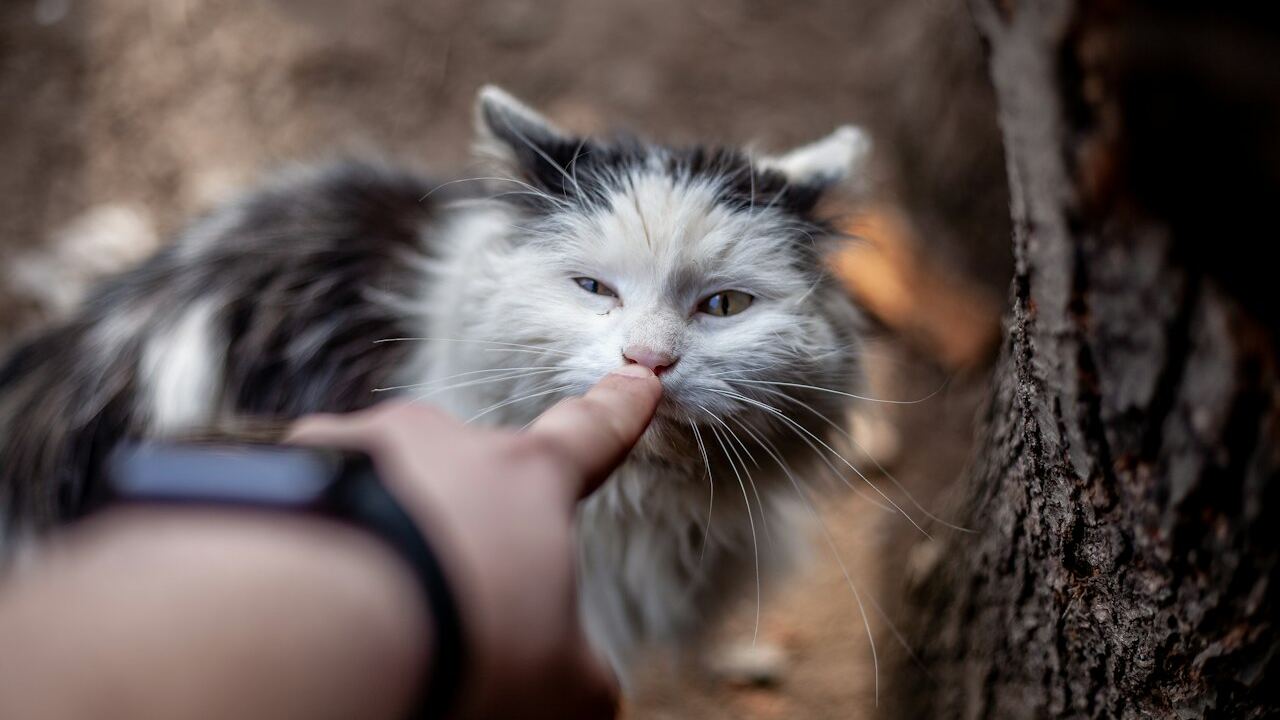
As a dog or cat grows older, children may notice slower movement, quieter play, and changing needs. Honest, calm conversations help kids understand senior care, comfort, and the passing of time. This guide supports those talks. It is general family guidance.
Notice the changes together
Point out gentle, factual signs of aging: slower walks, more rest, softer coat, or reduced play. Naming what the pet needs helps children respond kindly.
- Observe mobility, appetite, energy, and coat changes together.
- Explain that older pets need more rest and quiet.
- Talk about gentle touch and avoiding sudden approaches.
- Keep an eye on the pet's comfort around young children.
Explain senior care simply
Children can understand that aging animals need soft bedding, easy access to food and water, and protection from rough play. Age-appropriate care protects the senior's comfort.
- Describe the need for a warm, comfortable bed.
- Explain easy reach of water, food, and relief spots.
- Coach slow, gentle contact instead of climbing or hugging.
- Involve the child in quiet, supervised care.
Honor the pet's changing limits
Older animals may not tolerate noise, handling, or activity they once enjoyed. The family respects these limits and protects the senior's rest.
- Keep the pet's retreat undisturbed by running kids.
- Avoid waking or approaching a resting senior animal.
- Watch for irritation, withdrawal, or warning signs.
- Adjust play and contact to the pet's comfort level.
Talk gently about the future
Conversations about aging can touch on the pet's passing. Keep language honest and age-appropriate, and reassure children the pet is loved and cared for.
- Use simple, clear words about age and the life cycle.
- Allow the child to feel sad or ask questions.
- Explain that the family is looking after the pet's comfort.
- Keep adult comfort and support alongside the discussion.
Age and species fit
Children understand aging at different levels, and dogs and cats show senior changes in their own ways. Talks follow the child's stage and the pet's actual condition.
- Toddlers (1–3): focus on gentle touch and the pet's rest needs.
- Preschoolers (3–6): simple facts about slower movement and more sleep.
- School-age (6+): discuss care, comfort, and the life cycle more openly.
- Dogs and cats: each age differently; check the senior's health with a vet.
Common mistakes to avoid
Talks go wrong when changes are dismissed or the child is left alone with big feelings. Calm, factual discussion and continued care support the family through aging.
- Wrong: Pretending the pet's health will not change. Right: talk honestly but gently about aging.
- Wrong: Letting kids roughhouse an older animal. Right: protect senior rest and gentle contact.
- Wrong: Ignoring signs of discomfort. Right: bring changes to a vet's checkup.
- Wrong: Replacing adult comfort with the animal. Right: keep human support near the conversation.
Frequently asked questions
How do I explain to my child that our pet is getting old?
Point out factual signs together—slower movement, more rest, softer coat—and explain the older pet needs quiet, soft bedding, and gentle touch. Keep language honest and age-appropriate.
What should a toddler understand about an aging pet?
That the pet needs rest and gentle hands. An adult guides touch, keeps the retreat undisturbed, and protects the senior from rough play.
How do I talk about our pet eventually passing away?
Use simple clear words about the life cycle, allow the child to ask questions and feel sad, and reassure them the pet is loved and cared for. Keep adult support nearby.
What care does a senior dog or cat need at home?
A comfortable bed, easy access to food and water, quiet rest away from running kids, and gentle handling. Follow the vet's advice on mobility and comfort.
When should I take an aging pet to the vet?
For changes in mobility, appetite, thirst, energy, or coat, and for regular senior checkups. A vet assesses comfort and guides care as the animal ages.
Where this guidance comes from. We are a general parenting-and-pets editorial team, not a veterinary or pediatric practice. We cross-check our guides against public guidance from the CDC Healthy Pets, Healthy People. These are starting points for your own reading, not a diagnosis for your family or pet.
Not professional advice. This guide covers general household and safety information. For your child's health or your pet's behavior and medical care, contact your pediatrician or veterinarian directly. Do not rely on a website for urgent decisions.