Honoring a Family Pet's Memory After Loss
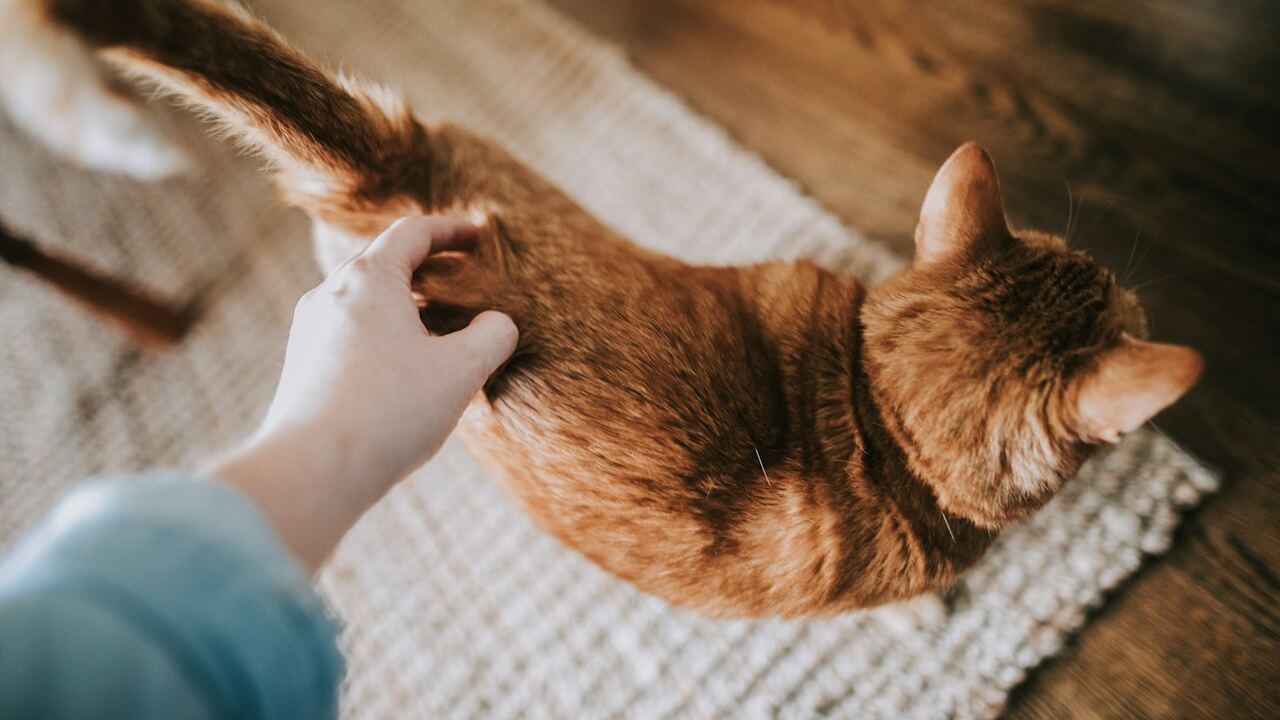
Simple family tributes and keepsakes help children keep the bond with a departed pet in a warm, settled way. Memorials, stories, and rituals give the grief a place to land. This guide suggests honoring practices. It is general family guidance.
Share favorite memories
Looking at photos and recalling happy moments keeps the pet's place in the family story alive. Children benefit from hearing and telling their own memories.
- Review photos and share what each family member remembers.
- Tell stories about the pet's habits, tricks, or funny moments.
- Let the child contribute their favorite memory.
- Keep the memories available for revisiting later.
Create a keepsake or tribute
A simple memorial—photo display, a letter, or a small garden feature—gives the loss a concrete, gentle place. The tribute suits the family's feelings and space.
- Put together a photo album or framed picture.
- Write a short note or letter to the pet.
- Plant a simple tribute plant or garden spot.
- Keep a meaningful item tied to the pet's time at home.
Hold a small family ritual
A quiet moment, a shared story, or marking a date helps the family acknowledge the pet. Rituals give grief structure and reassure children the bond mattered.
- Gather for a short, calm family moment in memory.
- Share one favorite memory each at the tribute.
- Observe an anniversary or pet's birthday in a gentle way.
- Respect that children may remember the pet in their own rhythm.
Support ongoing feelings
Grief can return on holidays or after a long day. Adults stay available to talk, remember, or sit quietly with the child as feelings surface.
- Check in on the child's mood after the loss.
- Allow sadness to return without rushing it away.
- Keep routine and family comfort steady.
- Seek extra support if low mood persists.
Age and species fit
Memory practices match the child's stage, and the family honors the bond with the specific dog or cat. Tributes stay simple and tied to the pet's real place in the home.
- Toddlers (1–3): comfort through familiar photos and family presence.
- Preschoolers (3–6): simple pictures and repeated memory sharing.
- School-age (6+): letters, albums, and chosen tribute keepsakes.
- Dogs and cats: acknowledge each pet's unique role in the family.
Common mistakes to avoid
Honoring a memory fails when the loss is never spoken about, or the child is pushed toward a replacement pet. Gentle tributes and ongoing listening support healing.
- Wrong: Keeping all reminders of the pet hidden. Right: keep meaningful photos and memories accessible.
- Wrong: Replacing the pet before grief settles. Right: allow mourning and memory keeping first.
- Wrong: Expecting a child to 'get over it' fast. Right: respect the child's own grief rhythm.
- Wrong: Making a memorial that overwhelms the child. Right: keep tributes simple and gentle.
Frequently asked questions
How can our family remember a departed pet?
Share photos and favorite stories, make a simple keepsake or tribute, and hold a small calm ritual. Keep meaningful items where the child can revisit the memory.
What keepsake suits a child who lost a pet?
A photo album, framed picture, short letter, or simple tribute plant, chosen with the child. Keep the keepsake accessible and tied to happy memories.
Should we mark our pet's anniversary?
A gentle, quiet family moment can acknowledge the date and share memories. Follow the child's readiness and keep the ritual calm and age-appropriate.
How long does a child's grief over a pet last?
It varies; feelings may return on special days. Stay available to talk, keep routine steady, and seek support if low mood or withdrawal persists.
Should we adopt another pet after a loss?
Only after the family has had time to mourn and discuss readiness. A new pet is its own choice, not a replacement, and should follow the children's comfort.
Where this guidance comes from. We are a general parenting-and-pets editorial team, not a veterinary or pediatric practice. We cross-check our guides against public guidance from the CDC Healthy Pets, Healthy People. These are starting points for your own reading, not a diagnosis for your family or pet.
Not professional advice. This guide covers general household and safety information. For your child's health or your pet's behavior and medical care, contact your pediatrician or veterinarian directly. Do not rely on a website for urgent decisions.