Common Parent Mistakes That Weaken the Child-Pet Bond
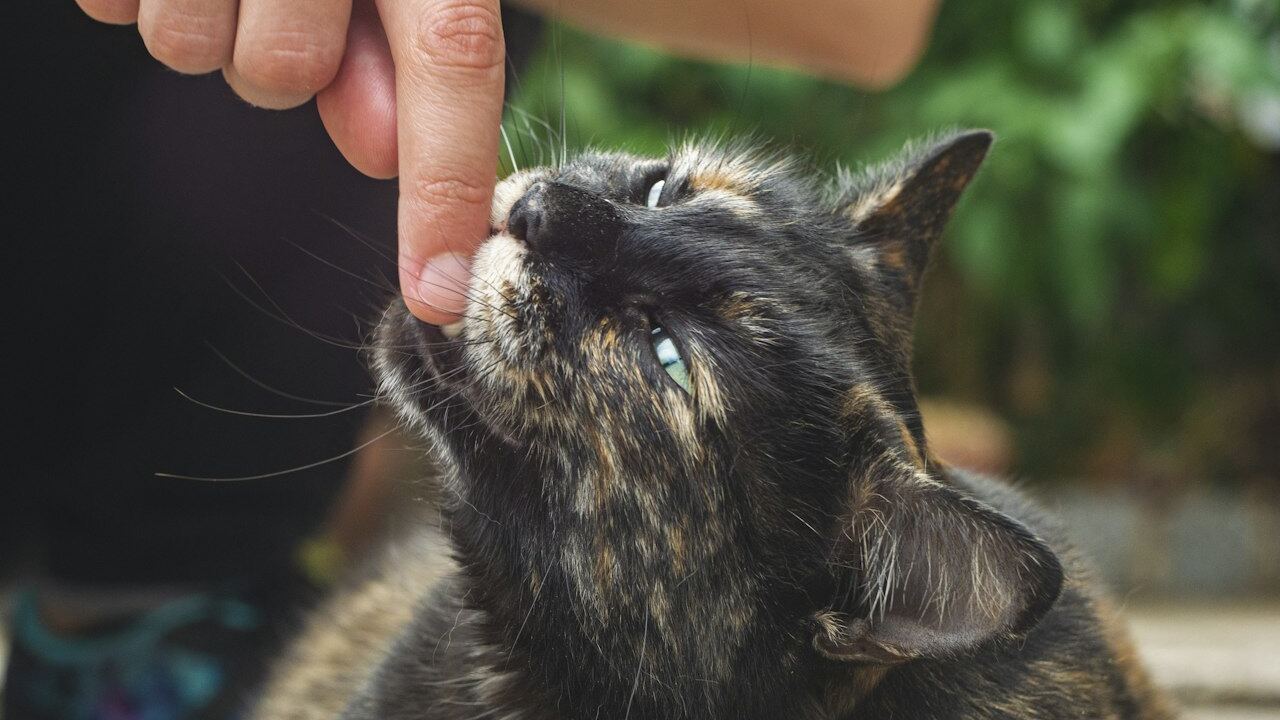
Well-meaning choices can leave a pet stressed or disconnected from the family, from unsupervised rough play to ignoring the animal's signals. Spotting these habits helps parents protect a calm, secure bond. This guide lists the slip-ups to avoid. It is general family guidance.
Forcing closeness on the pet
Cuddles, lifts, or group attention that the animal does not choose build pressure rather than trust. A pet that can approach and leave freely bonds more securely.
- Do not carry or corner a reserved animal for photos.
- Let the pet choose to join family contact.
- Respect withdrawal to a perch, bed, or retreat.
- Watch for stress instead of pushing affection.
Allowing rough play
Wrestling, hugging tight, climbing, or chasing teaches the pet rough handling and raises risk of warnings. Gentle, toy-based play keeps the bond safe.
- Redirect climbing, riding, and tight hugs to soft touch.
- Use toys rather than hands for play.
- Stop before excitement peaks during games.
- Keep children out of the pet's rest and retreat zones.
Ignoring the pet's signals
Stiffening, turning away, tail flick, or withdrawal are the animal's requests for space. Missing these cues strains trust and raises incident risk.
- Learn calm signs: loose body, soft eyes, easy tail.
- Notice stress signs: turning away, withdrawal, stiffening.
- Step back and give space at the first signal.
- Do not scold warnings; remove the pressure instead.
Leaving care and routine inconsistent
Random meals, walks, and one-on-one time leave a pet unsettled. Predictable daily rituals help the animal feel secure and part of the family.
- Hold steady feeding, rest, and walking times.
- Protect a quiet retreat with familiar bedding.
- Keep a short daily one-on-one moment with the pet.
- Keep supplies and routine stable during household changes.
Age and species fit
The same mistakes appear across childhood, and both dogs and cats need voluntary, respectful contact. The animal's temperament and age set the pace for bonding.
- Toddlers (1–3): guided gentle hands, adult-led supervision.
- Preschoolers (3–6): practice signal reading and giving space.
- School-age (6+): take supervised care and reflect on the pet's feelings.
- Dogs and cats: respect each species' signals and comfort level.
Common mistakes to avoid
The bond weakens when the pet is treated as a toy, its rest is disturbed, or routine slips. Respect, supervised gentle care, and steady habits build trust.
- Wrong: Expecting the pet to tolerate hugs from any child. Right: keep contact soft and voluntary.
- Wrong: Letting kids play unsupervised with the animal. Right: an adult guides every interaction.
- Wrong: Moving the pet's bed and supplies randomly. Right: keep a stable retreat and routine.
- Wrong: Punishing the pet for warnings. Right: separate calmly and address the trigger.
Frequently asked questions
What mistakes weaken the bond between a child and pet?
Forcing closeness, allowing rough play, ignoring stress signals, and inconsistent care. Protect voluntary gentle contact, supervised play, and steady routine.
Is roughhousing bad for the child-pet relationship?
Yes, it can teach rough handling and raise warning risk. Keep play gentle and toy-based, supervise contact, and protect the pet's rest zone.
How do I tell if my pet feels stressed around my child?
Watch for stiffening, turning away, tail flick, withdrawal, or freezing. Step back and give space; repeated warnings should go to a vet or trainer.
Does an unstable routine affect the pet's bond?
Yes. Random meals, walks, and one-on-one time leave the animal unsettled. Predictable daily rituals help the pet feel secure and part of the family.
Should my child hold or cuddle the family pet?
Only under adult supervision with soft guided touch. Many pets do not tolerate holding or hugging; let the animal choose to approach and leave freely.
Where this guidance comes from. We are a general parenting-and-pets editorial team, not a veterinary or pediatric practice. We cross-check our guides against public guidance from the CDC Healthy Pets, Healthy People. These are starting points for your own reading, not a diagnosis for your family or pet.
Not professional advice. This guide covers general household and safety information. For your child's health or your pet's behavior and medical care, contact your pediatrician or veterinarian directly. Do not rely on a website for urgent decisions.