Growing Your Child's Pet Responsibility Over Time
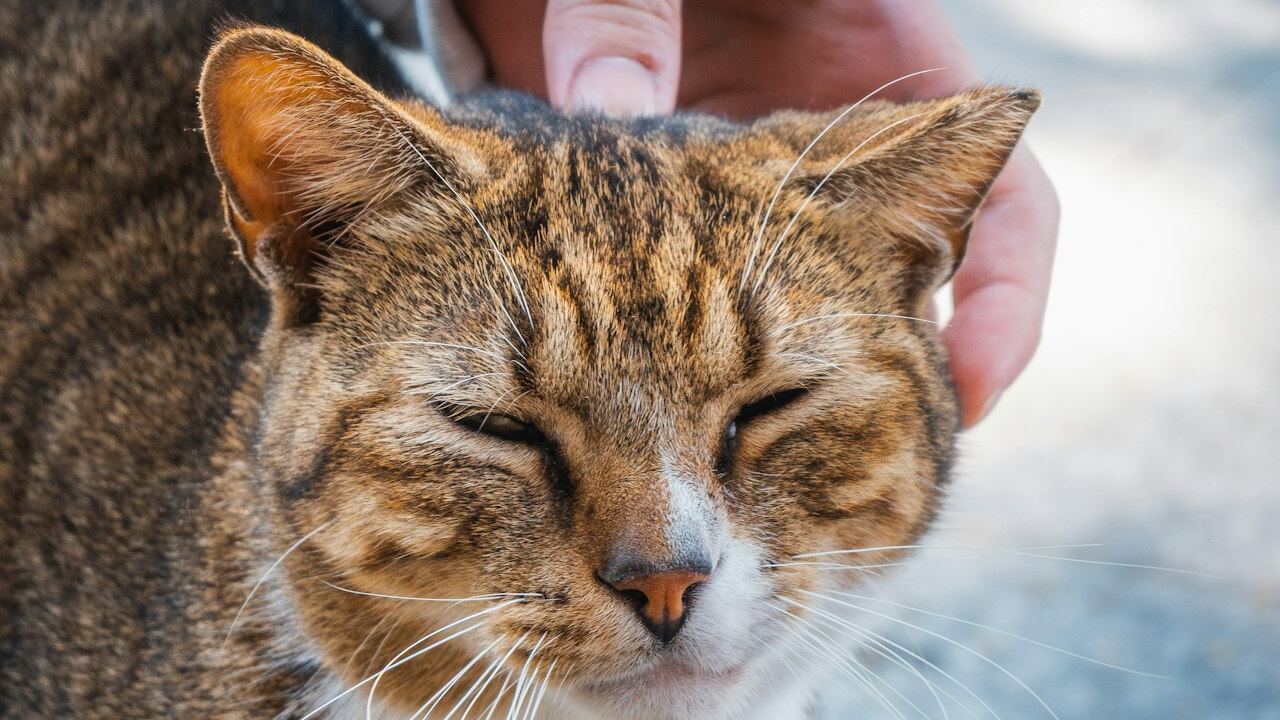
Responsibility toward a pet builds gradually as the child matures, with adults holding the safety and medical decisions. Age-matched chores and steady care help children grow into dependable pet owners. This guide tracks responsibility by stage. It is general family guidance.
Responsibility starts with supervision
Young children participate through adult-led care rather than independent ownership. The first lessons are kindness, noticing the pet's needs, and gentle handling.
- Guide the child's hand in soft, calm touch.
- Practice leaving the resting pet alone.
- Watch the pet's signals together with an adult.
- Build the habit of asking before approaching.
Preschool: simple directed chores
Children 3–6 can take light, supervised jobs around feeding, water, and cleanup. Clear small tasks teach that another creature depends on them.
- Help fill the water bowl at the right amount.
- Assist with gentle brushing when the pet is calm.
- Pick up toys and chews after play.
- Report the pet's mood to an adult.
School-age: consistent care routine
Children 6 and up can follow a steadier care schedule, while adults keep food portions, medication, and safety decisions. Their role expands with reliability.
- Follow feeding and water routines under oversight.
- Take part in daily brushing and coat checks.
- Help with walks, cleanup, and exercise guidance.
- Learn the pet's health, signals, and comfort needs.
Adults keep the core decisions
Through every stage, parents manage food choices, medication, vet care, and safety around the child and pet. Responsibility grows without handing over medical decisions.
- Store meds and grooming tools out of child reach.
- Keep meals and rest protected from crowding.
- Review tasks against the pet's temperament and age.
- Step in if the pet shows stress or withdrawal.
Age and species fit
Responsibility grows across childhood, and dogs and cats join care routines in their own way. The chore level matches the child's maturity and the animal's comfort.
- Toddlers (1–3): guided gentle help, adult-led noticing.
- Preschoolers (3–6): simple supervised water and brushing tasks.
- School-age (6+): ongoing feeding, grooming, and exercise help.
- Dogs and cats: each species has care tasks suited to its signals.
Common mistakes to avoid
Responsibility develops poorly when a child is given independent chores too soon, or blamed for the pet's care. Adult-led, age-matched tasks build dependable ownership.
- Wrong: Giving a toddler feeding responsibility alone. Right: adults guide every task early on.
- Wrong: Letting a child manage pet medication. Right: adults hold medical and safety decisions.
- Wrong: Making the child solely responsible for the pet. Right: share care among adults and kids.
- Wrong: Keeping chores the same as the child matures. Right: expand the role as reliability grows.
Frequently asked questions
How do children build responsibility toward a pet?
Through supervised, age-matched chores: gentle touch and noticing early, simple water and brushing tasks in preschool, and steadier care routines at school age.
What pet chores can a preschooler handle?
Light supervised jobs like helping with water, gentle brushing, and picking up toys. An adult checks amounts and keeps the pet's space respected.
Should a child be fully responsible for the family pet?
No. Adults keep food choices, medication, vet care, and safety decisions; children take on growing care tasks under oversight.
How do I know my child is ready for more pet responsibility?
Consistent rule-following, gentle handling, and signal reading show readiness. Expand the role gradually, and keep adults in control of medical and safety choices.
What if my child loses interest in pet chores?
Keep tasks age-appropriate and shared among adults. Praise consistent care, reassess the role as interest changes, and never leave the pet's needs to a child alone.
Where this guidance comes from. We are a general parenting-and-pets editorial team, not a veterinary or pediatric practice. We cross-check our guides against public guidance from the CDC Healthy Pets, Healthy People. These are starting points for your own reading, not a diagnosis for your family or pet.
Not professional advice. This guide covers general household and safety information. For your child's health or your pet's behavior and medical care, contact your pediatrician or veterinarian directly. Do not rely on a website for urgent decisions.