Age-Appropriate Pet Tasks for Children
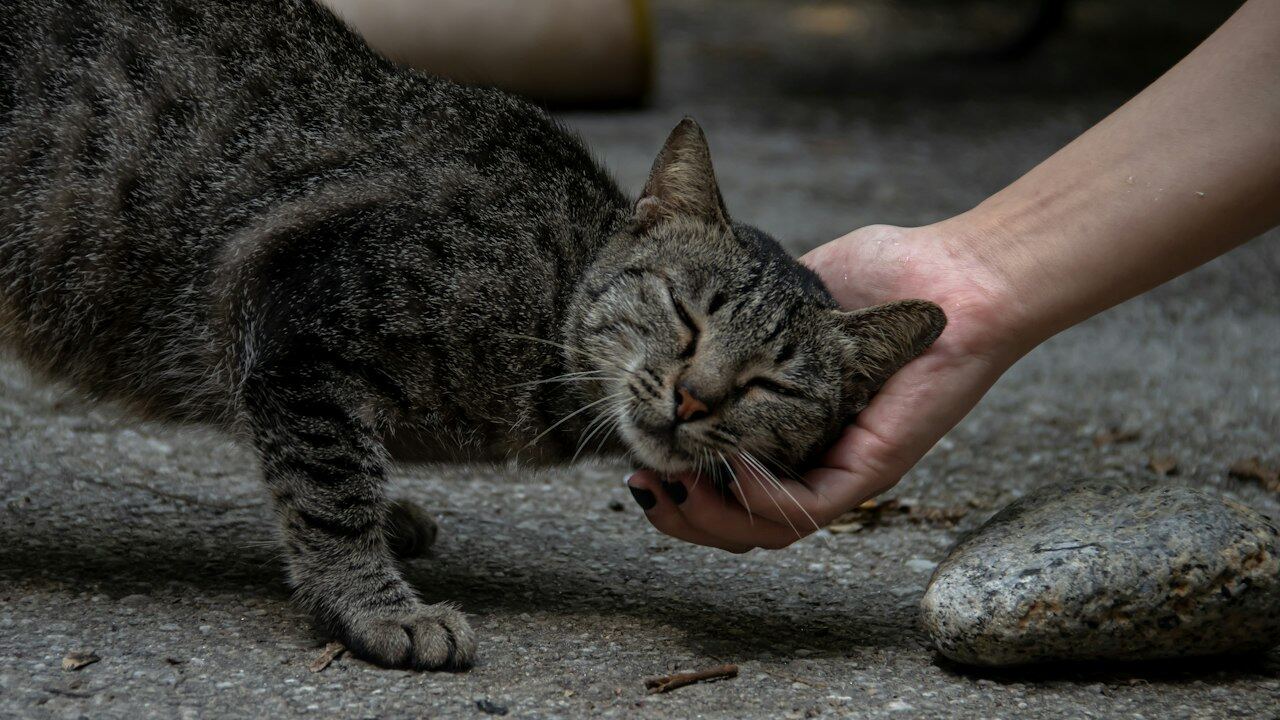
Sharing pet care helps children build responsibility and closeness, but tasks must match the child's age and the pet's comfort. Guided, safe chores keep the animal well looked after and the bond growing. This guide lays out tasks by stage. It is general family guidance.
Toddlers: guided gentle help
At this age, children take part through adult-led actions rather than independent chores. They learn soft touch and that the pet has needs.
- Guide the toddler's hand in a gentle stroke.
- Help offer fresh water under supervision.
- Watch the pet's signals together with the adult.
- Practice leaving the resting pet alone.
Preschoolers: simple supervised chores
Children 3–6 can take light, directed tasks under adult check. Clear simple jobs build care habits around the family animal.
- Help fill the pet's water bowl at the right amount.
- Assist with gentle brushing when the pet is calm.
- Pick up loose toys and chews after play.
- Report the pet's mood or unusual behavior to an adult.
School-age kids: growing responsibility
Children 6 and up can follow more consistent care routines, while adults keep food, medication, and safety decisions. Their role grows with reliability.
- Follow a feeding and water schedule with adult oversight.
- Help with daily brushing and coat checks.
- Take part in walks, cleanup, and exercise guidance.
- Learn about the pet's health, signals, and needs.
Keep tasks safe for the pet
No child handles medication, sharp grooming tools, or treats without an adult. Tasks respect the animal's rest, food, and personal space.
- Store meds and grooming tools out of child reach.
- Keep meals and rest protected from crowding hands.
- Stop a task if the pet shows stress or withdrawal.
- Match the job to the animal's temperament and age.
Dogs and cats by stage
Dogs often join in walks and feeding routines; cats prefer calm brushing and space. The task level respects the species and the pet's comfort.
- Dogs: supervised walks, feeding, and gentle brushing.
- Cats: quiet brush sessions and help with water and litter spot cleanup.
- Puppies and kittens: short, gentle participation only.
- Seniors: protect rest and keep handling soft and slow.
Common mistakes to avoid
Chores fail when a child is given too much independence too soon, or the task crowds a stressed pet. Age-matched, supervised care keeps both safe.
- Wrong: Giving a toddler independent feeding duty. Right: adult guides every task at this stage.
- Wrong: Letting a child manage pet medication or tools. Right: adults hold safety decisions.
- Wrong: Pushing a shy pet through chores. Right: respect withdrawal and keep contact gentle.
- Wrong: Assuming a chore suits every child equally. Right: match the job to age and temperament.
Frequently asked questions
What pet chores can a toddler do?
Only guided, adult-led gentle touch and watching the pet's signals. Independent feeding or care comes later under adult supervision.
What tasks suit a preschooler?
Light supervised jobs like helping with water, gentle brushing, and picking up toys. An adult checks the amount and keeps the pet's space respected.
How much pet responsibility can a school-age child take?
A growing share of feeding, water, brushing, and exercise routines under oversight, while adults keep food, medication, and safety decisions.
Should children give pets treats on their own?
No. Treats and food stay with the adult, and children do not handle medication or grooming tools without supervision.
What if my child loses interest in pet chores?
Keep tasks age-appropriate and share responsibility among adults. Praise consistent care, and reassess the role as the child's interest and reliability change.
Where this guidance comes from. We are a general parenting-and-pets editorial team, not a veterinary or pediatric practice. We cross-check our guides against public guidance from the CDC Healthy Pets, Healthy People. These are starting points for your own reading, not a diagnosis for your family or pet.
Not professional advice. This guide covers general household and safety information. For your child's health or your pet's behavior and medical care, contact your pediatrician or veterinarian directly. Do not rely on a website for urgent decisions.