Helping Your Child Bond With a Shy or Reserved Pet
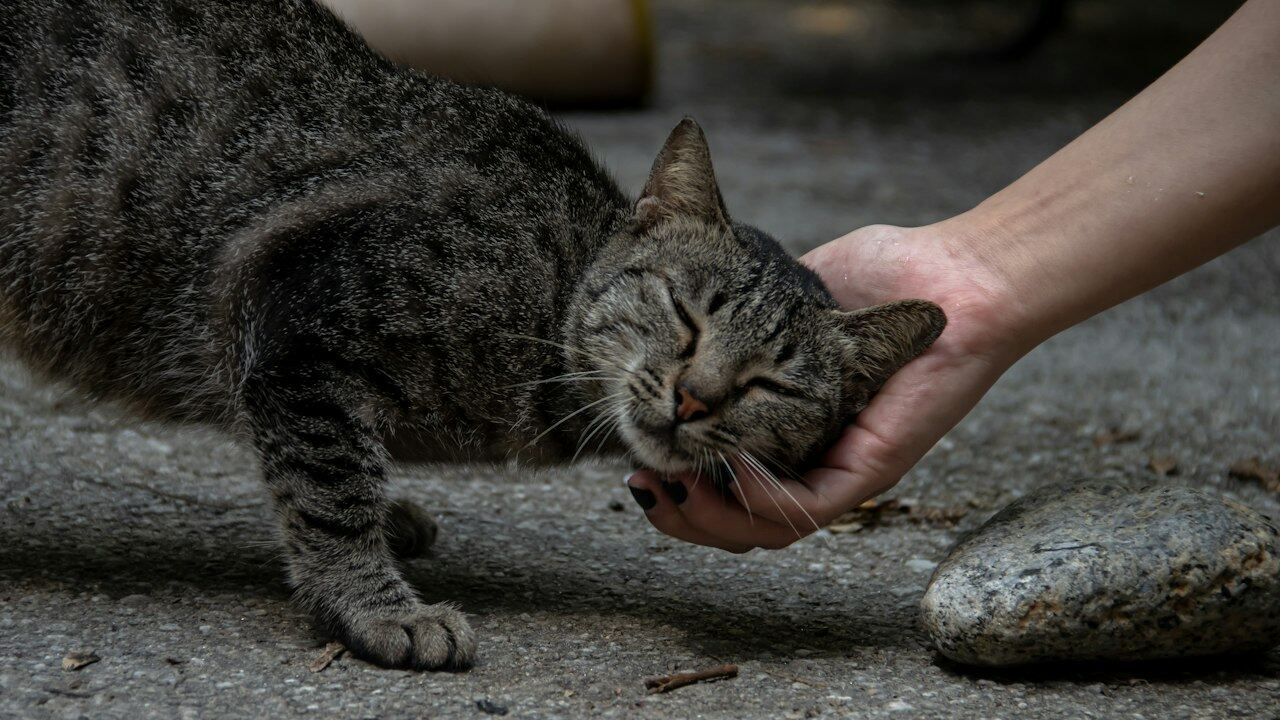
A shy pet takes time to trust new people, and children need patient, low-pressure contact rather than chasing or cuddling. Slow introductions, quiet space, and gentle routine help the reserved animal feel safe. This guide builds trust over time. It is general guidance; persistent fear needs a professional.
Start with quiet distance
The shy pet settles best when it can observe the child from a safe spot. Let the animal approach on its own terms instead of carrying or cornering it.
- Sit nearby and let the pet come close when ready.
- Offer a hand to sniff, then a soft stroke if accepted.
- Keep voice low and movements slow around the animal.
- Provide a retreat the child cannot freely enter.
Let the pet choose contact
Trust grows when the animal controls the closeness. Children learn to notice when the pet seeks attention and when it wants space.
- Do not follow the pet when it steps away.
- Respect withdrawal to a perch, bed, or corner.
- Offer calm greetings rather than hugs or lifts.
- Praise gentle, patient behavior from the child.
Build routine and predictability
Steady meals, rest, and quiet time help a reserved animal feel secure. Familiar rituals tell the pet what to expect each day.
- Keep feeding and resting times consistent.
- Provide a familiar bed, blanket, and comfort item.
- Schedule a short quiet one-on-one moment daily.
- Protect the retreat from busy household noise.
Read the shy pet's signals
Reserved animals show comfort through voluntary approach, relaxed body, and soft contact; stress appears as hiding, flicking, or turning away. Children learn to match the animal's mood.
- Watch for approach, rubbing, or settling nearby.
- Notice hiding, flattened ears, tail flick, or withdrawal.
- Stop contact at the first stress signal.
- Allow the pet time and space between interactions.
Age and species fit
Toddlers need the most adult guidance; older kids can practice patience and signal reading. Dogs and cats show reserve differently, and shy puppies, kittens, and seniors need extra quiet.
- Toddlers (1–3): adult-led gentle contact, no holding the pet.
- Preschoolers (3–6): learn to wait for the pet to approach.
- School-age (6+): read signals and give space willingly.
- Dogs and cats: each reserve at its own pace; respect the individual animal.
Common mistakes to avoid
Bonding fails when the pet is crowded, lifted, or forced to interact. A calm, patient, voluntary approach helps trust grow at the animal's pace.
- Wrong: Chasing the shy cat out of hiding. Right: leave a quiet retreat and wait for approach.
- Wrong: Carrying the reserved dog to the child. Right: let the animal come close on its own.
- Wrong: Hugging or holding a nervous pet. Right: keep touch soft and guided by an adult.
- Wrong: Expecting instant affection. Right: build trust through steady routine and patience.
Frequently asked questions
How do my child bond with a shy pet?
Sit nearby quietly, let the pet approach on its own, offer soft contact if accepted, and protect a retreat. Keep meals and routine steady so trust builds over time.
Should my child pick up a shy cat?
No. A reserved cat needs space and a high escape. Let it approach at floor level, and do not follow, carry, or corner it when it withdraws.
What signs show my pet is comfortable with my child?
Voluntary approach, rubbing or settling nearby, relaxed body, and accepting soft touch. Hiding, withdrawal, or flicking means the animal needs space.
How long does a shy pet take to trust?
It varies by animal; some settle in weeks, others longer. Keep contact low-pressure and consistent, and seek a vet or trainer if fear or withdrawal persists.
Can a reserved dog still be good with kids?
Yes, with patience and supervision. A calm dog can build trust slowly, but warnings, guarding, or persistent fear should be reviewed by a professional.
Where this guidance comes from. We are a general parenting-and-pets editorial team, not a veterinary or pediatric practice. We cross-check our guides against public guidance from the CDC Healthy Pets, Healthy People. These are starting points for your own reading, not a diagnosis for your family or pet.
Not professional advice. This guide covers general household and safety information. For your child's health or your pet's behavior and medical care, contact your pediatrician or veterinarian directly. Do not rely on a website for urgent decisions.