Balancing the Pet's Needs and the Child's Bond
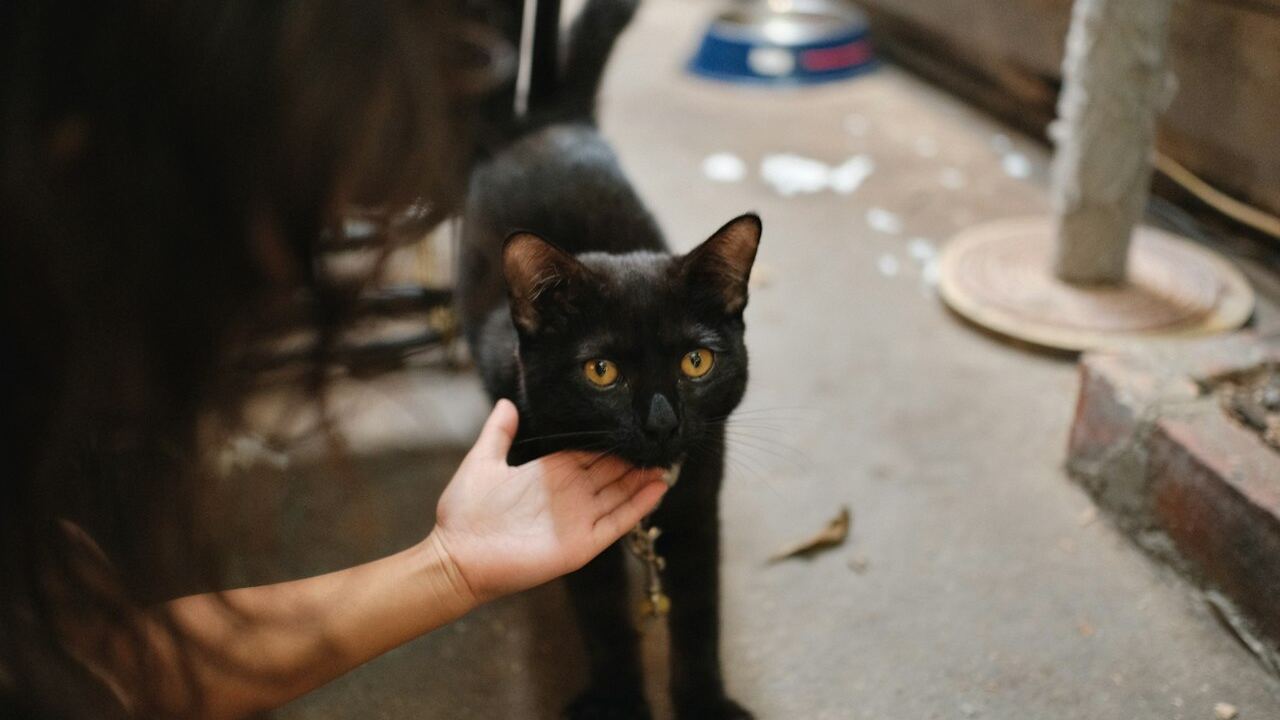
A strong child-pet bond should respect the animal's rest, signals, and personal space, not treat the pet as a toy for the child. Balanced attachment keeps both sides safe and comfortable. This guide explains that balance. It is general family guidance.
The bond runs both ways
A secure connection means the pet can approach and leave freely, and the child learns kindness. One-sided closeness that ignores the animal's stress weakens trust.
- Let the pet choose when to join family contact.
- Teach the child to notice the animal's mood.
- Protect the pet's retreat from crowding hands.
- Match touch and voice to the animal's comfort.
Protect the pet's rest and space
Undisturbed sleep, meals, and a safe spot are basic needs. Children are coached to leave the pet alone at rest and respect its feeding and toy zones.
- Keep the bed and retreat off limits to grabbing hands.
- Do not disturb the animal during meals or naps.
- Provide a high escape for cats away from running kids.
- Watch for stress around food, rest, or toys.
Keep contact supervised and gentle
All child-pet interaction stays under adult watch, with soft toy-based play and brief calm sessions. Supervision prevents roughhousing and overhandling.
- Stay within arm's reach during contact.
- Use toys rather than hands for games.
- Keep sessions short and end before excitement peaks.
- Redirect hugs, climbs, and grabs to soft touch.
Meet the pet's routine needs
Steady meals, walks, rest, and one-on-one time keep the animal settled and able to bond well. Predictable care supports a secure attachment on both sides.
- Hold regular feeding, rest, and exercise times.
- Keep a quiet one-on-one moment with the pet daily.
- Protect supplies and routine during household changes.
- Check on the pet's comfort around young children.
Age and species fit
Balance applies across the child's stages, and both dogs and cats need voluntary respectful contact. The animal's temperament and age set how close contact is guided.
- Toddlers (1–3): adult-guided gentle touch, full supervision.
- Preschoolers (3–6): practice signal reading and giving space.
- School-age (6+): take supervised care and reflect on the pet's feelings.
- Dogs and cats: respect each species' signals and comfort level.
Common mistakes to avoid
The balance tips when the pet is held responsible for the child's comfort, or its rest is disturbed. Mutual respect and supervised gentle care keep the bond healthy.
- Wrong: Letting the toddler squeeze or carry the pet. Right: keep touch soft and guided by an adult.
- Wrong: Treating the animal as a toy. Right: protect space, rest, and voluntary contact.
- Wrong: Ignoring stress signals to keep the child happy. Right: step back and give space.
- Wrong: Leaving care and routine to the pet's mood. Right: hold steady meals, walks, and rest.
Frequently asked questions
How do I balance my child's bond with our pet's needs?
Keep contact voluntary and supervised, protect the pet's rest and retreat, teach the child to read signals, and hold steady meals, walks, and one-on-one time.
Should the pet be a comfort source for the child?
The pet can be a companion, but it must not be held responsible for the child's feelings. Protect the animal's space, and keep adult support alongside the bond.
What does a balanced child-pet relationship look like?
The pet approaches and leaves freely, the child uses soft kind touch, the animal's rest and food zones are respected, and adults supervise all interaction.
How much rest does a family pet need?
Puppies, kittens, and seniors especially need undisturbed sleep. Keep the retreat away from running kids, and do not wake or disturb a resting animal.
When should I review the relationship with a professional?
For repeated warnings, guarding, persistent withdrawal, or stress around the child. A vet rules out illness; a qualified trainer guides the bond safely.
Where this guidance comes from. We are a general parenting-and-pets editorial team, not a veterinary or pediatric practice. We cross-check our guides against public guidance from the CDC Healthy Pets, Healthy People. These are starting points for your own reading, not a diagnosis for your family or pet.
Not professional advice. This guide covers general household and safety information. For your child's health or your pet's behavior and medical care, contact your pediatrician or veterinarian directly. Do not rely on a website for urgent decisions.