Daily Routines That Bond the Pet as Part of the Family
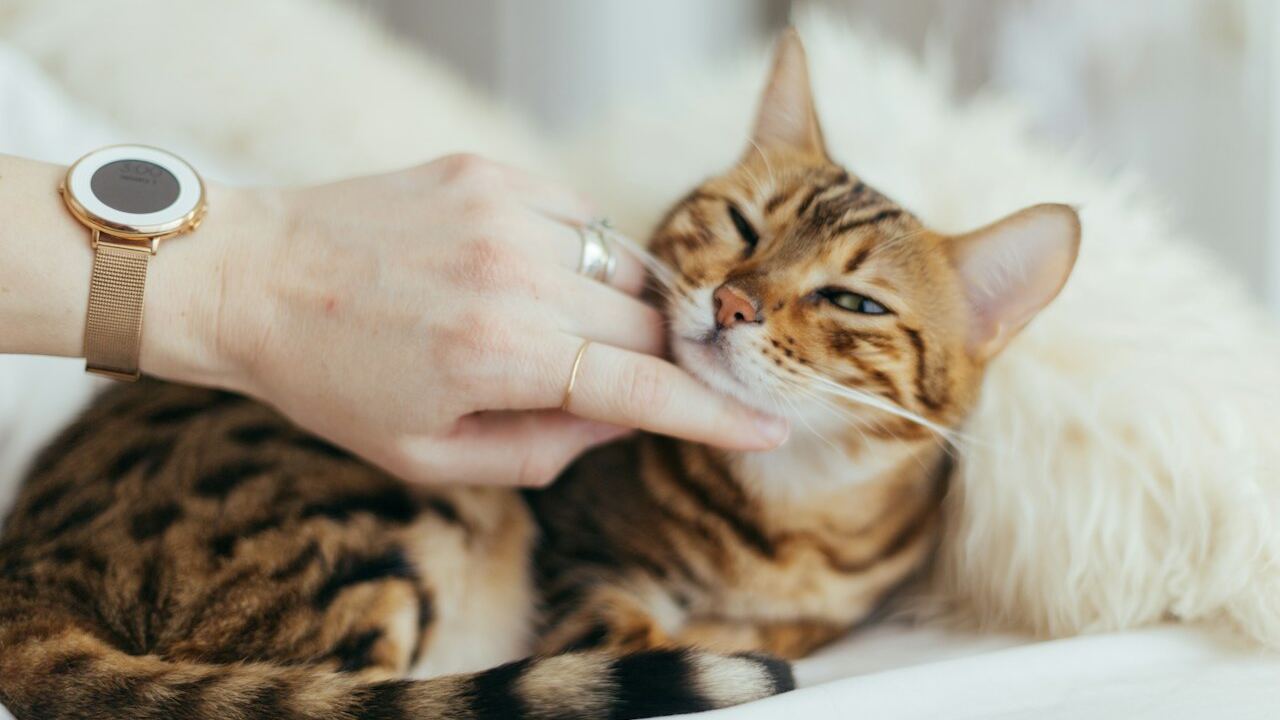
A pet feels like a real family member through steady daily rituals: meals, walks, care, and quiet time together. Predictable routines strengthen the group bond and keep the animal settled. This guide covers family daily rituals. It is general home guidance.
Morning greeting and care
A calm morning routine sets the tone for the day: greet the pet, check water and bedding, and start meals or walks on schedule.
- Greet the pet gently after waking.
- Refresh water and check the resting spot.
- Serve breakfast at a consistent time.
- Plan a morning walk or active play.
Shared care through the day
Family members take part in brushing, cleanup, and attention, keeping the pet included in the household rhythm. Light supervised care builds belonging.
- Help with gentle brushing under adult direction.
- Keep feeding and water routine steady.
- Pick up toys and chews after play.
- Offer quiet one-on-one attention during the day.
Evening wind-down together
A calm evening routine—walk, dinner, and settled rest—helps the pet feel secure and part of the family. Predictable close to the day reduces nighttime restlessness.
- Walk or play in the early evening.
- Serve dinner on the usual schedule.
- Sit quietly with the pet before bedtime.
- Protect the animal's overnight rest space.
Include the pet in family life
Shared rituals make the animal feel welcome: nearby during quiet time, included in supervised games, and respected as a household member with needs.
- Keep the pet present during calm family moments.
- Include it in supervised games and care activities.
- Protect retreats and rest from crowding.
- Acknowledge the pet's signals and comfort.
Age and species fit
Rituals grow with the child's stage, and dogs and cats join the daily routine in their own way. The family's schedule respects each animal's temperament and rest.
- Toddlers (1–3): guided greetings and gentle touch, adult-led routine.
- Preschoolers (3–6): join simple care and quiet family moments.
- School-age (6+): take part in walks, feeding, and grooming rituals.
- Dogs and cats: match daily activities to the species' signals and comfort.
Common mistakes to avoid
Family bonding slips when the pet is left out of routine, or its rest gets crowded. Steady shared rituals and protected space keep the animal feeling settled.
- Wrong: Treating the pet as separate from daily family life. Right: include it in calm rituals and care.
- Wrong: Keeping meals and walks random after the baby. Right: hold a steady daily rhythm.
- Wrong: Letting kids crowd the pet's retreat. Right: protect rest and personal space.
- Wrong: Expecting the pet to join every group activity. Right: let it choose to participate freely.
Frequently asked questions
What daily routines help a pet feel like family?
Steady greetings, meals and walks, shared gentle care, and quiet one-on-one time. Protect the pet's retreat and respect its signals throughout the day.
How do I include my pet in family life?
Keep it present during calm moments, include it in supervised games and care, and protect its rest. Make the pet's needs and comfort part of the household routine.
What should a dog's daily family routine include?
Morning greeting and water, a walk or active play, steady meals, shared brushing or cleanup, and an evening wind-down with quiet rest time.
How does a cat fit into a family daily routine?
Through predictable feeding, quiet brushing, indoor play and perches, and calm family moments. Respect the cat's pace and need for a quiet retreat.
Why is a steady schedule good for the pet's bond?
Predictable meals, care, and attention give the animal security and belonging. Random routines can stress the pet and weaken the group connection.
Where this guidance comes from. We are a general parenting-and-pets editorial team, not a veterinary or pediatric practice. We cross-check our guides against public guidance from the CDC Healthy Pets, Healthy People. These are starting points for your own reading, not a diagnosis for your family or pet.
Not professional advice. This guide covers general household and safety information. For your child's health or your pet's behavior and medical care, contact your pediatrician or veterinarian directly. Do not rely on a website for urgent decisions.