How Pets Help Children Learn Empathy
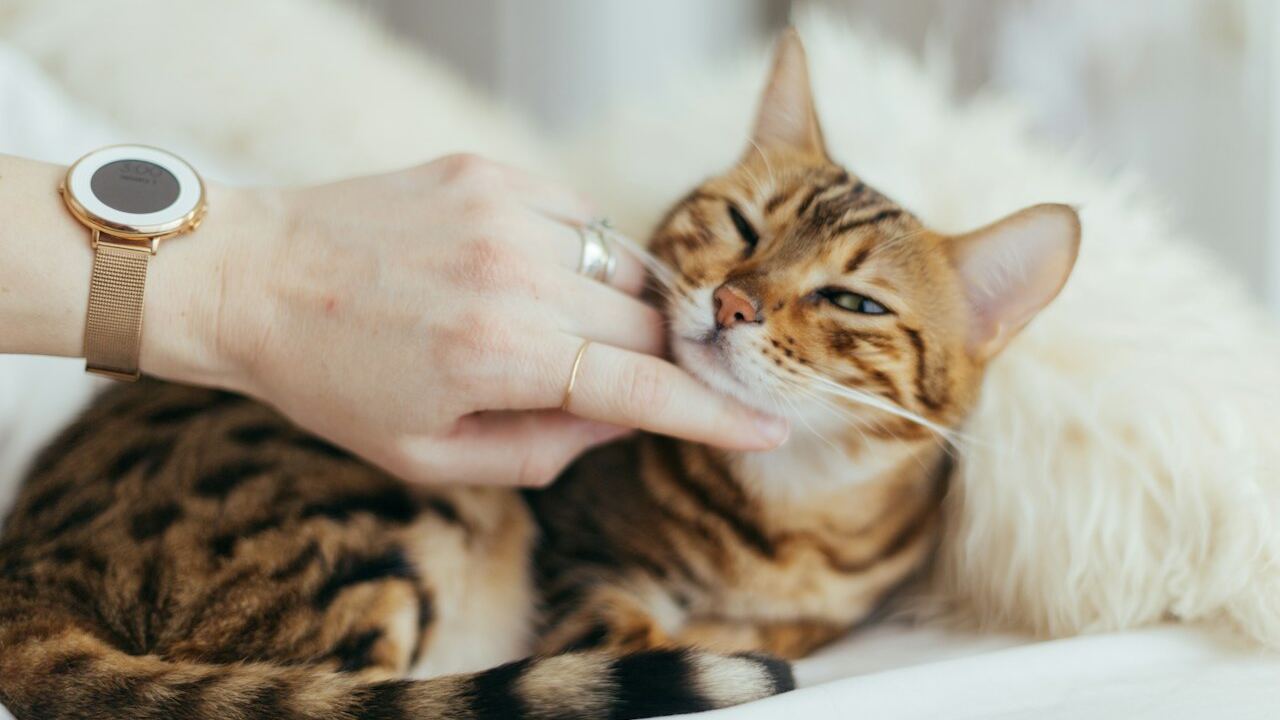
Caring for an animal teaches children to notice another being's needs, read signals, and respond with kindness. These empathy skills grow through daily gentle care and supervised interaction with the family pet. This guide explains how the bond develops and how parents support it. It is general family guidance.
What empathy looks like with a pet
Empathy means recognizing when the pet is calm, tired, or uneasy and acting with care. Children learn to watch body language and match their touch and voice to the animal's mood.
- Notice the pet's body, ears, tail, and approach or withdrawal.
- Respond with soft touch when the animal seeks contact.
- Leave the pet alone when it rests or retreats.
- Speak in a calm, gentle tone around the animal.
Daily care builds kindness
Feeding, brushing, and watching the pet teach children that another creature depends on them. Age-appropriate care builds responsibility and consideration over time.
- Help with supervised feeding and fresh water.
- Take part in gentle brushing under adult direction.
- Watch for the pet's needs: rest, water, or space.
- Offer quiet comfort when the animal seems uneasy.
Model respect for the animal
Children copy how adults treat the pet. Calm handling, protected rest, and no roughhousing model the respect that grows into empathy.
- Demonstrate soft greetings and offered hand.
- Protect the pet's bed and retreat from crowding.
- Avoid teasing, chasing, or startling the animal.
- Praise kind choices the child makes toward the pet.
Turn signals into learning moments
When the pet turns away, flicks a tail, or relaxes, these are chances to talk about how the animal feels. Naming the signal helps the child connect action to response.
- Point out calm signs: loose body, soft eyes, easy tail.
- Explain stressed signs: turning away, stiffening, withdrawal.
- Practice stepping back and giving space when needed.
- Review what the pet enjoyed after a calm interaction.
Age and species fit
Empathy grows gradually across toddler through school age, and both dogs and cats offer lessons in reading mood. The animal's temperament sets how close contact is guided.
- Toddlers (1–3): guided gentle hands, adult-led noticing.
- Preschoolers (3–6): learn to read calm and stressed signals.
- School-age (6+): take on supervised care and reflect on the pet's feelings.
- Dogs and cats: each has different cues; teach the child to read the animal at hand.
Common mistakes to avoid
Empathy does not grow when the pet is teased or forced closeness, or the child handles the animal unsupervised. Respect and guided care support kind, observant behavior.
- Wrong: Treating the pet as a toy for the child. Right: protect the animal's space and mood.
- Wrong: Letting the child bother a resting pet. Right: teach the family to leave rest undisturbed.
- Wrong: Assuming kindness comes naturally without example. Right: model calm, respectful handling.
- Wrong: Reading only the face and missing the body. Right: notice the whole animal's signals.
Frequently asked questions
How does having a pet teach a child empathy?
By needing the child to watch the animal's signals, respond to its needs, and use kind touch. Daily supervised care and respectful handling build consideration over time.
What empathy skills can a toddler learn with a pet?
Guided soft touch, noticing when the pet wants space, and speaking gently. Adults lead the noticing and praise kind choices as the child grows.
How do I teach my child to read a pet's feelings?
Point out calm signs like loose body and soft eyes, and stressed signs like turning away or stiffening. Practice giving space when the animal withdraws.
Should my child comfort a scared pet?
Only under adult guidance, with a soft approach. Often the kindest response is space and a quiet retreat; respect the pet's choice to step away.
Can a shy or anxious pet help a child bond?
Yes, with patience and supervision. A reserved pet teaches reading signals and respecting space, and gentle trust builds slowly under adult guidance.
Where this guidance comes from. We are a general parenting-and-pets editorial team, not a veterinary or pediatric practice. We cross-check our guides against public guidance from the CDC Healthy Pets, Healthy People. These are starting points for your own reading, not a diagnosis for your family or pet.
Not professional advice. This guide covers general household and safety information. For your child's health or your pet's behavior and medical care, contact your pediatrician or veterinarian directly. Do not rely on a website for urgent decisions.