Layout for a Small Apartment With Kids and Pets
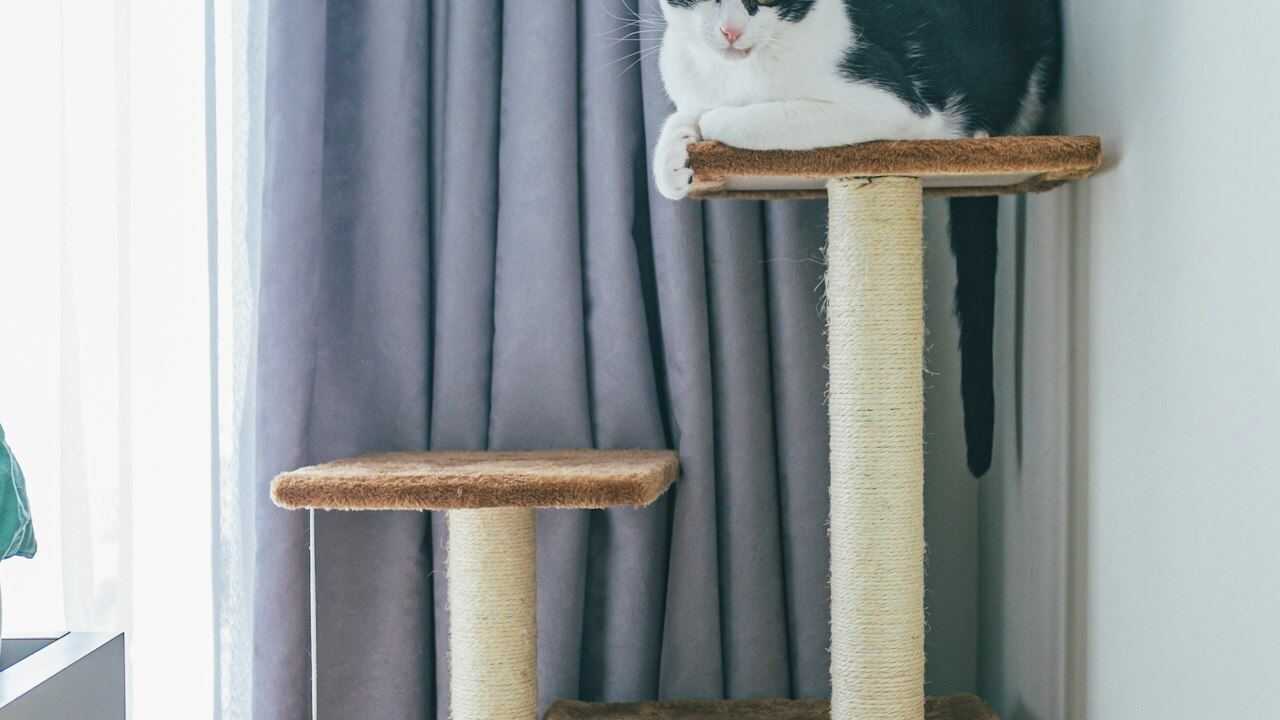
Compact space means child play, pet rest, and supplies must share every room without crowding. Zoning, multi-use furniture, and protected retreats keep a small apartment calm for both sides. This guide plans the layout step by step. It is general home guidance.
Divide the small space into zones
Even one room can be split into a play zone, a pet retreat, and a supply zone. Clear boundaries prevent the pet's bed and bowls from sitting in the child's play path.
- Mark a play corner with a rug or mat for the child.
- Place the pet's bed and retreat in a quieter opposite corner.
- Store food, litter, and toys in a closed out-of-the-way spot.
- Keep walking paths clear between zones.
Use vertical and multi-use furniture
Apartments lack floor space, so shelves, perches, and stackable storage hold supplies off the ground. Foldable or mat-based play saves room when not in use.
- Mount cat shelves or a tree outside the toddler's reach.
- Use lidded storage bins that double as seating.
- Keep pet supplies on a high shelf rather than the floor.
- Choose a washable play mat that rolls away after use.
Protect the pet's retreat
A small home offers few escape options, so the pet needs a dedicated spot away from running and noise. A crate, covered bed, or high perch serves as a safe exit.
- Set a quiet retreat the child cannot freely enter.
- Keep water and bedding within reach of the retreat.
- Use a gate or corner to mark the rest zone.
- Let the pet leave the play area without being followed.
Manage noise and crowding
Close quarters amplify crying, loud toys, and running. Scheduled quiet moments, contained play, and regular outside walks release energy before indoor time.
- Plan daily outdoor exercise for the dog before indoor play.
- Keep noisy toys in a contained spot near the play mat.
- Give the pet a calm retreat during busy household moments.
- Clear clutter so neither child nor pet gets trapped.
Age and species fit
Toddlers need the most protected floor space; older kids respect zones under supervision. Dogs need room to move and a retreat; cats need height and a quiet spot.
- Toddlers (1–3): gated play corner, adult watch, separated supplies.
- Preschoolers (3–6): learn zone boundaries and quiet indoor play.
- Dogs: protect a bed or crate and schedule outdoor relief and exercise.
- Cats: offer a high perch away from running and noise.
Common mistakes to avoid
Small-space layouts fail when supplies spill onto the floor, or the retreat becomes the play center. Zoned, off-ground storage keeps the apartment workable.
- Wrong: Putting the dog bed and kibble in the toddler's play corner. Right: split zones to opposite sides.
- Wrong: Leaving cat toys on the floor of a small room. Right: store in a closed bin.
- Wrong: Blocking the pet's only exit with bags or furniture. Right: keep the retreat clear.
- Wrong: Letting indoor play run loud all day. Right: schedule outdoor exercise and quiet moments.
Frequently asked questions
How do I fit a toddler and pet in a small apartment?
Split the space into play, retreat, and supply zones; use shelves and closed bins off the floor; protect a pet retreat; and schedule outdoor exercise for the dog.
Where does the pet sleep in a compact home?
In a quiet bed, crate, or high perch outside the child's play path, with water nearby and a boundary the child respects. Keep the retreat clear of clutter.
How do I keep cat toys out of a toddler's reach?
Store them in a lidded bin on a high shelf, bring out small toys only under supervision, and return them to storage after play.
How much space does a dog need in an apartment?
Enough to move and rest, plus scheduled outdoor relief and exercise. Provide a protected retreat, and match the dog's energy level to the home size.
How do I reduce noise in a small apartment with kids?
Contain noisy toys to the play mat, build outdoor walks into the routine, give the pet a quiet retreat, and keep clutter so neither side feels trapped.
Where this guidance comes from. We are a general parenting-and-pets editorial team, not a veterinary or pediatric practice. We cross-check our guides against public guidance from the CDC Healthy Pets, Healthy People. These are starting points for your own reading, not a diagnosis for your family or pet.
Not professional advice. This guide covers general household and safety information. For your child's health or your pet's behavior and medical care, contact your pediatrician or veterinarian directly. Do not rely on a website for urgent decisions.