Designing a Safe Play Area for Kids and Pets at Home
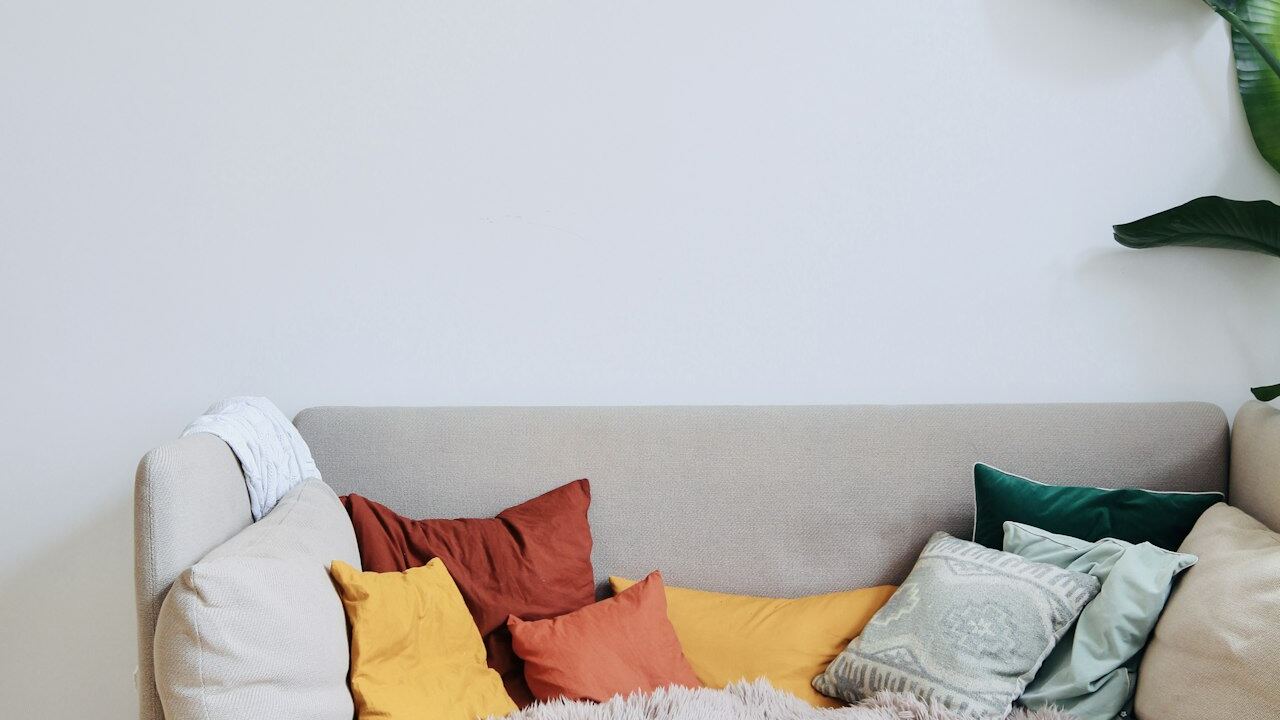
A dedicated play area separates children's activity from the pet's food, rest, and supplies, reducing grabs, spills, and crowding. Clear boundaries, sturdy floors, and protected pet zones keep the home calm for both sides. This guide plans the layout and daily setup. It is general home safety guidance.
Separate play and pet zones
Children run, toss toys, and sit on the floor in the play area; the pet eats, rests, and keeps supplies away from this space. A physical boundary keeps the two zones distinct.
- Keep food bowls, beds, and crates outside the play area.
- Store pet toys and chews separately from children's toys.
- Mark the play zone with a rug, mat, or gate.
- Leave the pet a quiet retreat away from running and noise.
Floor and surface choices
Play floors should be easy to clean, slip-resistant, and protected from claws and spills. Mats or rugs cushion falls and mark where activity belongs.
- Use washable rugs or mats over hard floors.
- Keep cords and small items off the play floor.
- Protect furniture edges and corners from climbing.
- Choose surfaces that hold up to shedding and mud.
Keep pet supplies out of reach
Food, treats, litter, grooming tools, and trash are stored where children cannot open them. Secure storage prevents spills, choking, and access to pet-safe but human-unsafe items.
- Lock pet food and treats in a closed bin or cupboard.
- Keep litter boxes and scoops in a low-traffic, gated spot.
- Store grooming tools, meds, and chews away from kids.
- Keep trash cans closed and out of the play zone.
Supervision and boundaries
The play area still needs an adult present during contact. Gates or doors separate child and pet when hands are busy, and rules are repeated across visits and stages.
- Stay within arm's reach when child and pet share the space.
- Use a gate or door during cooking, baths, or work calls.
- Keep the pet's retreat off the toddler's play path.
- Review the layout after new toys or household changes.
Age and species fit
Toddlers need the most protected play space; older kids take on gentle care. Dogs and cats use the zones differently, but separation and clean-up apply to both.
- Toddlers (1–3): gated play area, adult watch, no unsupervised contact.
- Preschoolers (3–6): learn to keep toys and pet supplies separate.
- Dogs: keep a bed or retreat outside the running path.
- Cats: offer a high perch away from busy floor play.
Common mistakes to avoid
Play areas fail when pet gear mixes with toys, or the space becomes unsupervised rough play. Clear separation and easy clean-up keep the setup workable.
- Wrong: Scattering dog chews and kid toys on one rug. Right: store supplies in their own zones.
- Wrong: Using the playroom as the pet's dining spot. Right: keep meals and rest separate.
- Wrong: Leaving climbing toys near a pet bed. Right: protect the retreat from approaches.
- Wrong: Assuming a fenced play area needs no supervision. Right: an adult still watches contact.
Frequently asked questions
Where should my child play around the family pet?
In a defined play area away from the pet's food, bed, and supplies, with a rug or mat and an adult present. Keep the pet's retreat outside the running path.
How do I keep pet toys from mixing with kids' toys?
Store chews and pet toys in a closed bin in the pet zone, keep children's toys in the play area, and sort after playtime so nothing crosses.
What floor works best with a toddler and pet?
Easy-to-clean, slip-resistant hard flooring with washable rugs or mats. Keep cords and small items off the play floor and protect furniture edges.
Should the dog bed be in the living room play area?
No. The pet's bed and retreat belong outside the running and play zone, where the animal can rest undisturbed. Offer a separate quiet spot.
How often should I check the play area setup?
Review after new toys, furniture changes, or the child growing into a new stage. Adjust boundaries and storage whenever supplies start mixing.
Where this guidance comes from. We are a general parenting-and-pets editorial team, not a veterinary or pediatric practice. We cross-check our guides against public guidance from the CDC Healthy Pets, Healthy People. These are starting points for your own reading, not a diagnosis for your family or pet.
Not professional advice. This guide covers general household and safety information. For your child's health or your pet's behavior and medical care, contact your pediatrician or veterinarian directly. Do not rely on a website for urgent decisions.