Choosing the Right Baby Gates for Dogs and Cats
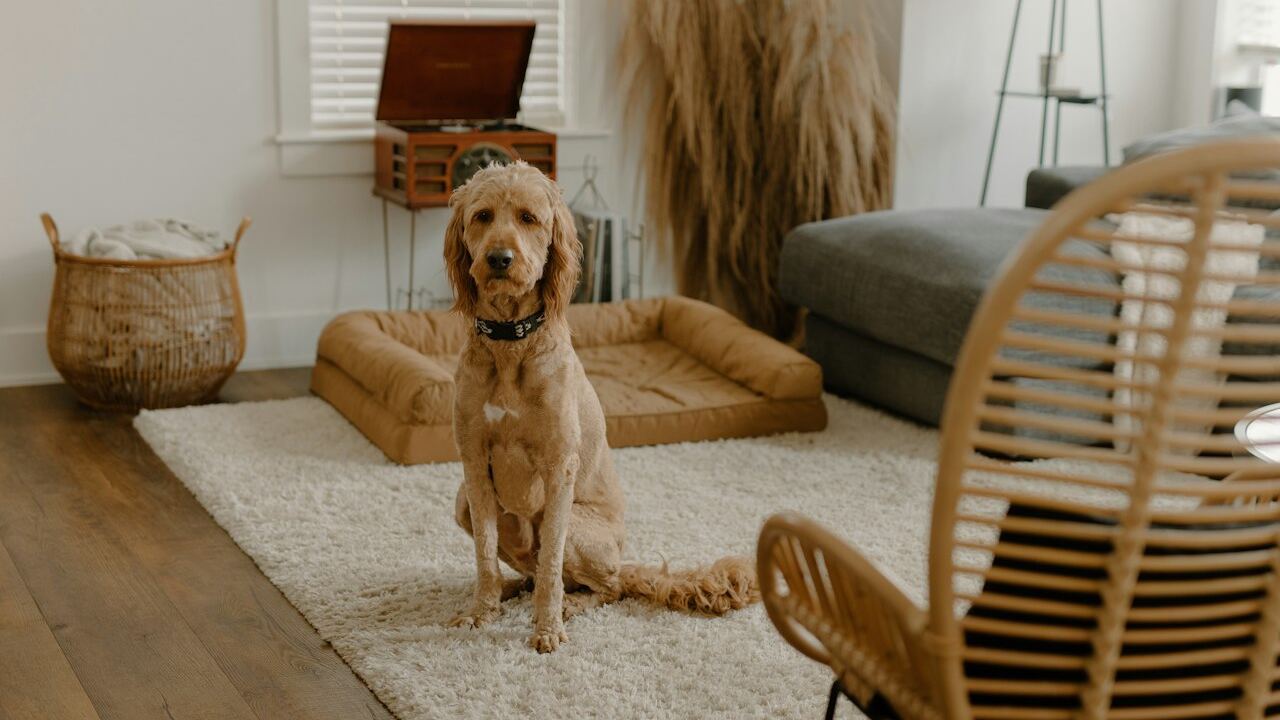
Gates come in pressure-mounted, hardware-mounted, tall, and wide styles, each fitting different spots and pet sizes. Matching the gate to the opening, the animal, and the household keeps separation reliable. This guide compares types and placement. It is general home safety guidance.
Pressure-mounted gates
These gates sit between walls without drilling and suit room dividers and temporary separation. They are easy to move but should not be the sole gate at stairs.
- Use them for open room divisions and busy-area separations.
- Check the fit snugly so neither child nor pet slips through.
- Re-check pressure after a push or bump to keep it secure.
- Keep the latch out of reach of small hands.
Hardware-mounted gates
These gates bolt into walls and are the secure choice at stairs, doorways, and high-traffic openings where a pet pushes or a child climbs.
- Install at stair tops and bottoms and main entry doorways.
- Use where a large dog might nudge a loose gate.
- Confirm the mounting studs or anchors hold against pressure.
- Choose a model the adult can open one-handed.
Tall, wide, and durable models
Large breeds, jumpers, and strong pushers may need a taller or reinforced gate. Wide openings use an extra-wide panel or walk-through gate.
- Pick a tall gate for dogs that could jump or push through.
- Measure the opening before buying a wide panel.
- Check gaps and slat spacing so paws or heads cannot slip.
- Look for a durable frame that resists chewing or bending.
Cats and gate gaps
Cats can often jump low gates or slip through spacing, so a solid door or taller barrier may be needed for cat separation.
- Provide a high escape instead of relying on a low gate.
- Use a solid closed door where full separation matters.
- Keep the cat's litter and food accessible behind the barrier.
- Watch for climbing over the gate during busy play.
Placement in the home
Place gates between play areas and pet zones, around the nursery, and at stairs or rooms the child and pet might share unsupervised.
- Gate the nursery so the pet cannot enter the sleep area.
- Separate meal and rest spots from the toddler's play.
- Block stair openings to prevent climbs or tumbling.
- Keep a gate at the kitchen entrance during cooking.
Common mistakes to avoid
Gate choice fails when a flimsy gate goes at stairs, or the gate is too low for a large pet. Match the model to the spot and the animal.
- Wrong: Pressure gate at the stair top. Right: secure hardware mount where needed.
- Wrong: A short gate for a jumping large dog. Right: choose a tall durable model.
- Wrong: Assuming one gate fits every opening. Right: measure and pick a matching panel.
- Wrong: Blocking the pet into a small trapped spot. Right: give a settled retreat with water and bed.
Frequently asked questions
What type of gate is safest for stairs?
A hardware-mounted gate that bolts into the wall. Pressure-mounted gates suit room dividers but should not be the sole barrier at stairs.
Which gate works for a large dog?
A tall, durable gate with a secure latch and no gaps large enough for paws or heads. Hardware-mount at high-use spots and check it against pushing.
Will a baby gate keep my cat out of a room?
Often not; cats can jump low gates. Use a solid door or taller barrier, and give the cat a high escape outside the gated area.
Where should I gate off my dog in the home?
Between play areas and pet zones, around the nursery, and at stairs or busy doorways. Keep the pet's retreat behind the gate with water and bedding.
How do I measure for a gate?
Measure the opening width and check height against your pet's size and the child's climbing. Buy a walk-through model the adult can open one-handed.
Where this guidance comes from. We are a general parenting-and-pets editorial team, not a veterinary or pediatric practice. We cross-check our guides against public guidance from the CDC Healthy Pets, Healthy People and AAP HealthyChildren baby section. These are starting points for your own reading, not a diagnosis for your family or pet.
Not professional advice. This guide covers general household and safety information. For your child's health or your pet's behavior and medical care, contact your pediatrician or veterinarian directly. Do not rely on a website for urgent decisions.