Keeping Pets Away From High Chairs, Strollers, and Baby Gear
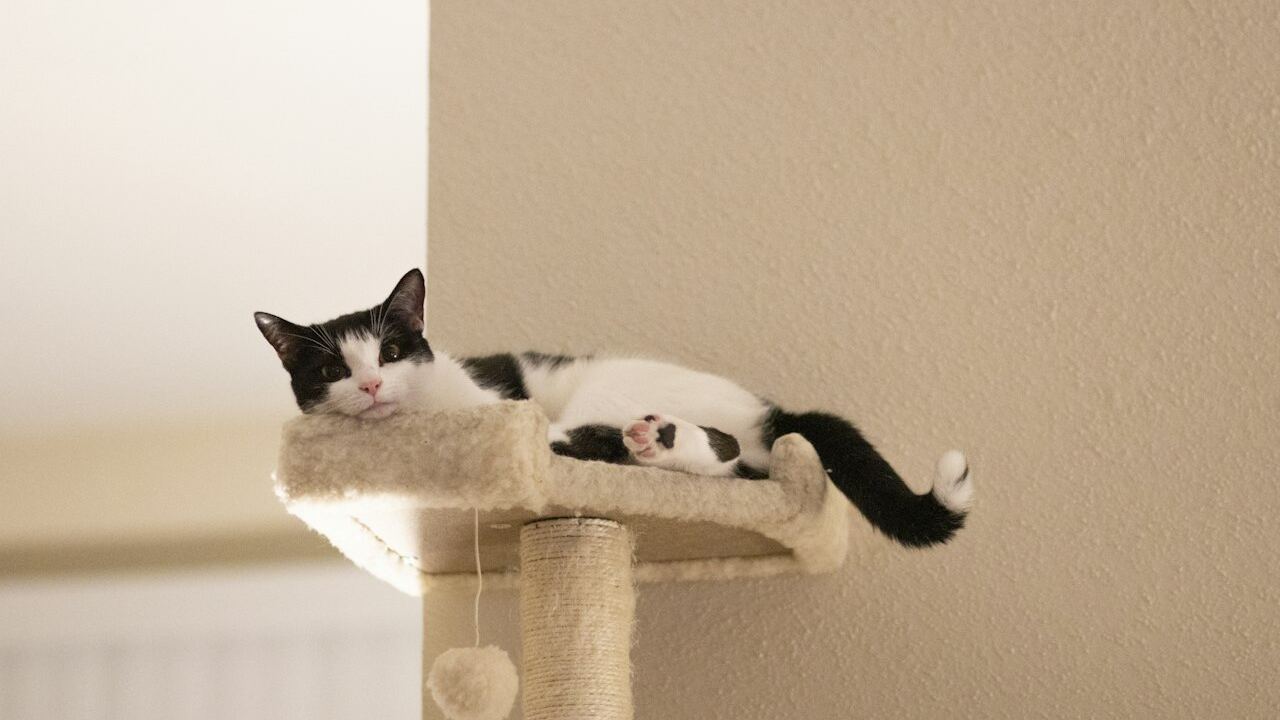
High chairs, strollers, playpens, and carriers are child spaces that pets should not climb onto or crowd around. Clear gear zones and supervised setup keep the baby's equipment secure and clean. This guide covers placement and daily habits. It is general home safety guidance.
Keep gear as child-only zones
High chairs, strollers, cribs, and carriers reserve their surfaces for the child. Pets must not lie on, chew, or climb onto any baby equipment.
- Keep the pet off the high chair, stroller, and playpen.
- Do not allow chewing on stroller handles, straps, or carriers.
- Store gear clear of the pet's bed and feeding station.
- Wipe surfaces where child and pet could both touch.
Place gear away from pet traffic
Set up high chairs and strollers in a spot the pet does not pass through, and keep bowls, beds, and toys out of the child's equipment zone.
- Position the high chair away from the food bowl and pet bed.
- Park the stroller in a corner or closed entry, not the pet's retreat.
- Keep cords and straps from dangling within pet reach.
- Give the pet a separate retreat during mealtime.
Mealtime and gear supervision
During feeding, the pet stays out of the high chair area. Supervision prevents begging, jumping, and climbing onto the child's space.
- Keep the pet behind a gate or in its retreat during meals.
- Do not hand scraps to the child's pet from the high chair.
- Clear crumbs and spills off the chair and floor after feeding.
- Watch for repeated attempts to approach the gear.
Clean and protect equipment
Baby gear should stay clean and free of fur, dander, and slobber. Regular wiping and storage away from pet contact protect the child's surfaces.
- Wipe high chairs, straps, and stroller handles on a routine.
- Store carriers and blankets closed away from pets.
- Check gear for chew marks or damaged straps.
- Keep cleaning supplies out of children's reach.
Age and species fit
The gear boundary starts before the baby arrives and tightens as the child grows. Dogs may jump for food or chairs; cats seek soft seats and straps, so both need separation.
- Infants (0–1): keep all equipment fully pet-free.
- Toddlers (1–3): supervised use; no pet climbing on chairs or strollers.
- Dogs: gate the retreat during mealtime to prevent jumping.
- Cats: offer a perch outside the gear zone instead of the stroller seat.
Common mistakes to avoid
Gear safety slips when the pet sleeps in the stroller, or food bowls sit by the high chair. Clear separation and regular wiping keep equipment secure.
- Wrong: Letting the cat curl up in the stroller. Right: keep the gear child-only and stored closed.
- Wrong: Feeding the dog next to the high chair. Right: keep meals in a separate pet zone.
- Wrong: Leaving straps dangling for the pet to chew. Right: store gear closed and check damage.
- Wrong: Assuming a small pet stays off the chair. Right: supervise and gate during mealtime.
Frequently asked questions
How do I keep my dog away from the high chair?
Place the chair away from the pet's bed and bowls, gate the dog in its retreat during meals, and clear crumbs after feeding. Keep the chair surface child-only.
Should my cat be allowed in the stroller?
No. Keep strollers, carriers, and blankets stored closed and away from pets. Offer the cat a separate perch outside the gear zone.
Where do I park the stroller at home?
In a corner or closed entry outside the pet's retreat and feeding path. Keep straps and handles out of pet reach, and check for chew marks regularly.
How often should I clean baby gear around pets?
Wipe high chairs, straps, and stroller handles on a routine, and store carriers closed away from contact. Check for fur, slobber, or damaged parts.
What if my pet keeps trying to get near the baby's gear?
Keep separation during meals and rest, protect the retreat, and supervise contact. Repeated guarding or tension around the child should go to a trainer or vet.
Where this guidance comes from. We are a general parenting-and-pets editorial team, not a veterinary or pediatric practice. We cross-check our guides against public guidance from the CDC Healthy Pets, Healthy People. These are starting points for your own reading, not a diagnosis for your family or pet.
Not professional advice. This guide covers general household and safety information. For your child's health or your pet's behavior and medical care, contact your pediatrician or veterinarian directly. Do not rely on a website for urgent decisions.