Keeping Pet Food and Trash Away From Curious Kids
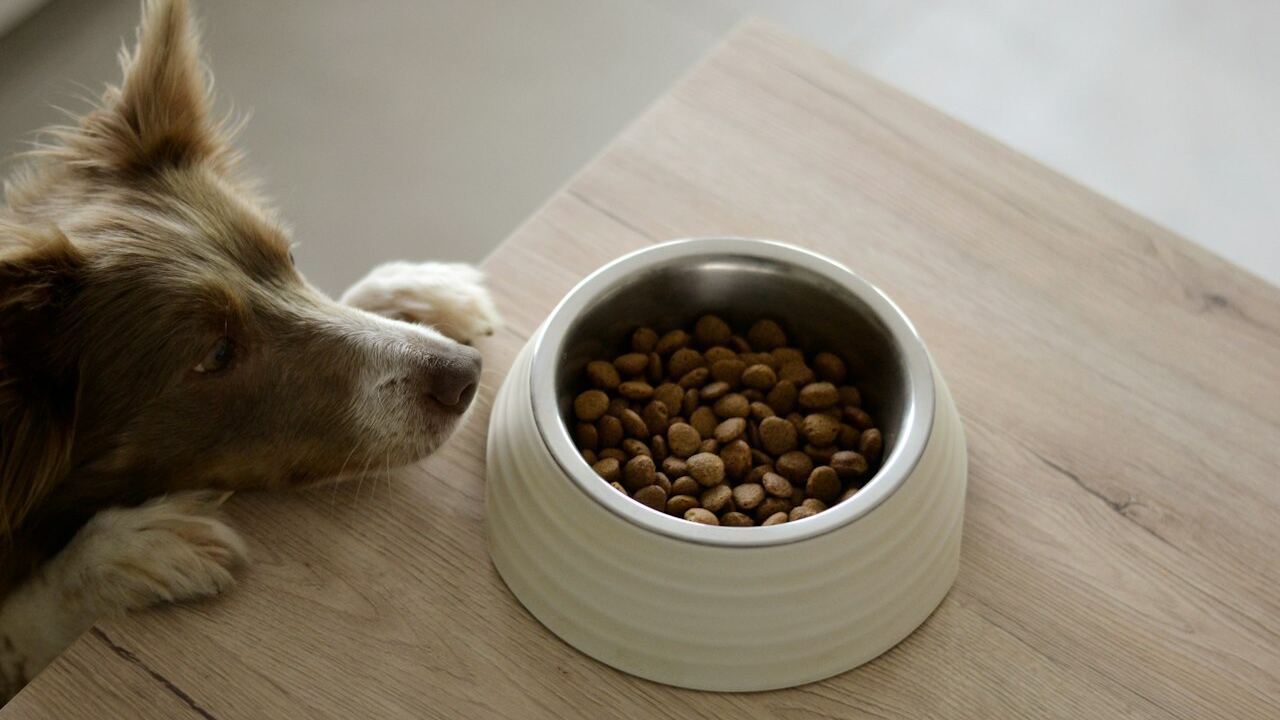
Pet food, treats, and trash are common hazards for small children: choking, upset stomach, and spoiled food all come from unsecured access. This guide stores food safely, manages bins and scraps, and sets household rules by the child's age. It is general home safety guidance; call poison control or a vet if a child eats something harmful.
Store pet food sealed and out of reach
Dry kibble, wet food, treats, and chews should be sealed, high, or locked away. Free access lets toddlers grab handfuls, choke on pieces, or eat too much.
- Keep kibble in a sealed container on a high shelf or closed cabinet.
- Store treats, chews, and bones out of toddler reach and sight.
- Keep opened wet food covered and refrigerated; discard expired bags.
- Feed the pet at fixed times, not free-feeding, so leftovers are not left out.
Manage trash, scraps, and leftovers
Garbage, food scraps, and used packaging attract both pets and kids. Bins that latch and a quick cleanup remove the most common causes of an upset stomach.
- Use a lidded, child-resistant trash bin in the kitchen and near feeding areas.
- Bag scraps and tie them before dropping in the bin; do not leave bins open.
- Clear plates and pet bowls right after meals instead of leaving them overnight.
- Keep recycling, bone scraps, and food packaging away from play areas.
Watch choking and toxic items
Small kibble, bones, chews, and some food scraps pose a choking risk; certain foods and bones are unsafe for animals and children alike. Know what to keep off the floor.
- Keep whole bones, hard chews, and small treats away from crawling and grabbing hands.
- Learn common unsafe foods for pets and keep them off counters and floors.
- Pick up dropped kibble and treats immediately after feeding time.
- If a child or pet eats a questionable item, contact poison control or a vet promptly.
Age-appropriate rules
How children interact with food and trash changes with age. Infants explore by mouth; toddlers grab and open containers; older kids can help follow feeding routines.
- Infants (0–1): keep all pet food and scraps off the floor and out of reach during floor play.
- Toddlers (1–3): lidded bins and sealed cabinets; the child does not feed the pet without an adult.
- Preschoolers (3–6): learn that food and bins are not for exploring; ask before giving the pet a treat.
- School-age (6+): can help portion and serve food under supervision, still keeping snacks out of reach.
Feeding setup that reduces mess
A fixed feeding zone with easy-to-clean bowls keeps food contained and makes cleanup routine. A tidy setup lowers the chance of scraps and spills reaching the child.
- Place bowls on a mat or tray in a low-traffic corner, away from the high chair.
- Wipe the feeding zone after meals; sweep spilled kibble before a toddler reaches it.
- Separate the pet's food from the baby's bottles, snacks, and pantry items.
- Store feeding tools (scoop, can opener) with the food, sealed and out of reach.
Common mistakes to avoid
The biggest slips are leaving food out free-feeding, an open trash bin, or treats on low surfaces. Secure storage and quick cleanup prevent most incidents.
- Wrong: Leaving kibble available all day. Right: fixed meals with leftovers put away.
- Wrong: A light kitchen bin that tips or opens. Right: a lidded, latchable bin.
- Wrong: Treats kept on the coffee table. Right: treats stored high or locked away.
- Wrong: Assuming the dog finishes the scraps. Right: clear bowls and floor after every meal.
Frequently asked questions
Where should I store dog or cat food?
In a sealed container on a high shelf or closed cabinet, away from toddlers and the baby's play and feeding area. Keep treats and chews with the food, secured.
Is free-feeding safe around small kids?
It leaves food accessible all day and makes grabs and spills more likely. Fixed meals with leftovers stored away are safer and easier to keep clean.
My child ate a dog treat or kibble. What should I do?
Check the item's ingredients, and contact poison control or a vet if there is concern, especially with bones, hard chews, or an unknown product. Watch for choking or stomach upset.
Should the pet eat near the high chair?
No. Keep the feeding zone separate from the baby's eating area so scraps, crumbs, and bowls do not mix with the child's food.
How do I stop the dog from raiding the bin?
Use a lidded, latchable bin, bag scraps promptly, and keep food waste out of reach. Reward the dog for leaving the bin area; persistent raiding may need a trainer's help.
Where this guidance comes from. We are a general parenting-and-pets editorial team, not a veterinary or pediatric practice. We cross-check our guides against public guidance from the CDC Healthy Pets, Healthy People. These are starting points for your own reading, not a diagnosis for your family or pet.
Not professional advice. This guide covers general household and safety information. For your child's health or your pet's behavior and medical care, contact your pediatrician or veterinarian directly. Do not rely on a website for urgent decisions.