Where to Put the Litter Box Around Small Children
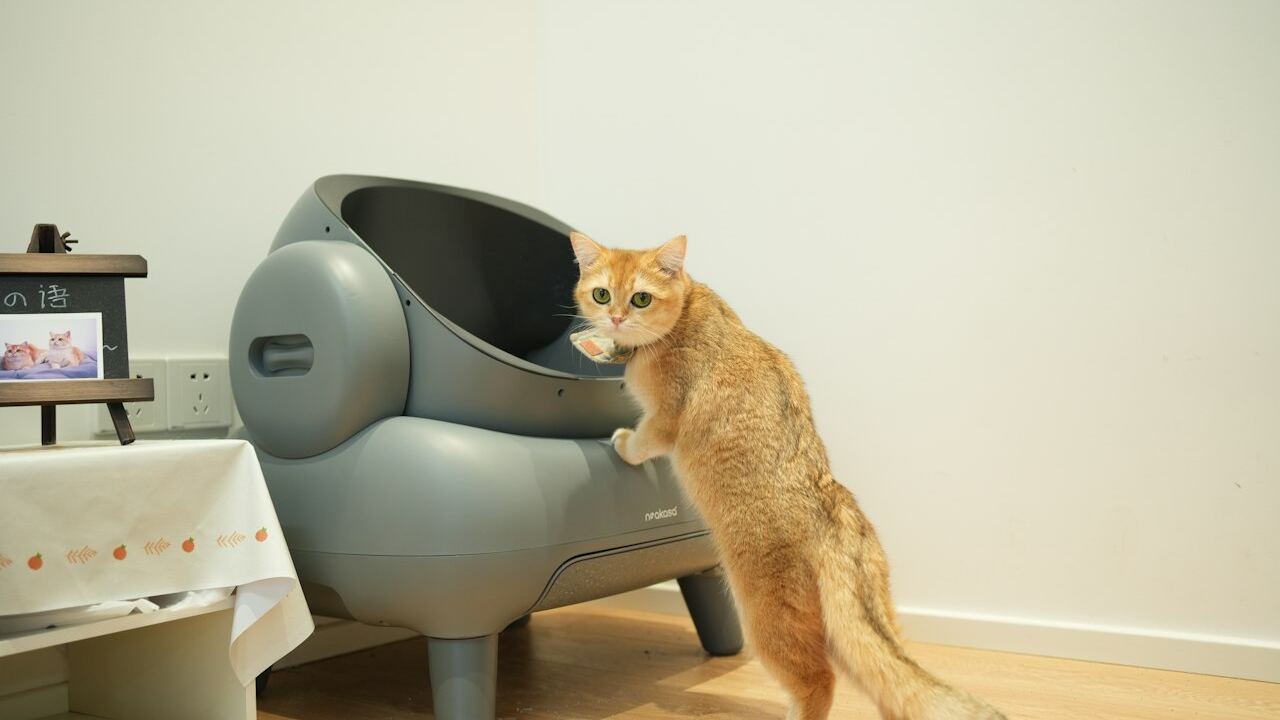
The litter box needs a spot that is private for the cat, easy to clean for the family, and out of reach of small hands. Placement affects hygiene, the cat's comfort, and toddler safety. This guide chooses a workable location, keeps it clean, and matches the setup to the child's age. It is general household advice.
What a good litter-box location gives
A cat uses the box more reliably when it is quiet, private, and away from food and water. A spot that is easy to reach for the owner keeps cleanup consistent and reduces mess.
- Choose a low-traffic corner away from the baby's play and feeding area.
- Keep the box several feet from food bowls, treats, and the kitchen.
- Offer a private, sheltered spot so the cat does not feel exposed.
- Place it on a floor that can be wiped or mopped, away from carpet if possible.
Keep it out of toddler reach
Small children may explore the box, touch waste, or throw litter. The location and setup should prevent unsupervised access from the first months of mobility.
- Use a covered box or one with a doorway to limit grabbing and litter scattering.
- Place the box behind a half-gate or door where the toddler cannot follow.
- Scoop daily and wipe the box regularly to reduce odor and mess.
- Teach older children to wash hands after any pet contact, and never to handle litter.
Hygiene and household rules
Litter management is a real hygiene step in a home with children. Regular cleaning and prompt waste removal keep pests and odors down and protect the baby's space.
- Scoop clumps and waste once or twice a day; change litter and wash the box on a schedule.
- Keep a bag and gloves near the box for quick, sanitary cleanup.
- Store extra litter sealed, out of reach of the baby and toddler.
- Ask the pediatrician about precautions if anyone has a weakened immune system or pregnancy.
Age and number of cats
The number and placement of boxes depends on how many cats live there, and the child's age changes how the box is screened off.
- General rule: one box per cat, plus one, in separate quiet spots.
- Infants (0–1): keep the box well away from the nursery and sleep area.
- Toddlers (1–3): screen the box with a cover, gate, or door as the child becomes mobile.
- Preschoolers and older: teach that the box is the cat's space, not a play or explore area.
Cat comfort and signs of a bad spot
A cat that avoids the box may dislike its location. Watch for elimination outside the box, which can also signal a medical issue and should be checked by a vet.
- Move the box if it sits near a loud appliance, door, or the dog's bed.
- Provide a calm, steady location; cats dislike boxes that move or get blocked.
- If the cat stops using the box, review the spot first, then check health with a vet.
- Keep the box clean and comfortable; an unclean box drives many avoidance issues.
Common mistakes to avoid
The most common errors are putting the box near food, leaving it in a toddler's reach, or forgetting to adjust the setup as the child grows. A clean, private, off-limits spot works best.
- Wrong: Tucking the box next to the kitchen or food bowls. Right: keep it away from eating and cooking.
- Wrong: Leaving an open box where a toddler can dig in. Right: cover or screen it once the child moves.
- Wrong: Cleaning only on weekends. Right: scoop daily and maintain the box on a regular schedule.
- Wrong: A box in a busy hallway. Right: choose a quiet, private corner the cat can use undisturbed.
Frequently asked questions
Where should the litter box go in a small apartment?
A quiet corner away from the baby's play and eating area, on a wipeable floor, with a covered box for privacy and odor. Keep it away from the cat's food and water.
Can the litter box be in the baby's room?
No. Keep litter boxes out of the nursery and sleep area for hygiene and the baby's space. Place them in a quiet bathroom, laundry, or spare corner.
How often should I clean the litter box?
Scoop waste once or twice a day, change the litter and wash the box on a regular schedule. Daily cleaning reduces odor and keeps the cat willing to use it.
My toddler keeps touching the litter. What do I do?
Switch to a covered box, move it behind a gate or door, and supervise closely. Keep hands washed after pet contact; do not let the child play around the box.
Should pregnant family members avoid the litter box?
It is safer for pregnant people to have someone else scoop and clean the litter. Follow the pediatrician's and vet's guidance on parasites and hygiene.
Where this guidance comes from. We are a general parenting-and-pets editorial team, not a veterinary or pediatric practice. We cross-check our guides against public guidance from the CDC Healthy Pets, Healthy People. These are starting points for your own reading, not a diagnosis for your family or pet.
Not professional advice. This guide covers general household and safety information. For your child's health or your pet's behavior and medical care, contact your pediatrician or veterinarian directly. Do not rely on a website for urgent decisions.