When a Pet Is Sick: Separating From Kids Safely and Gently
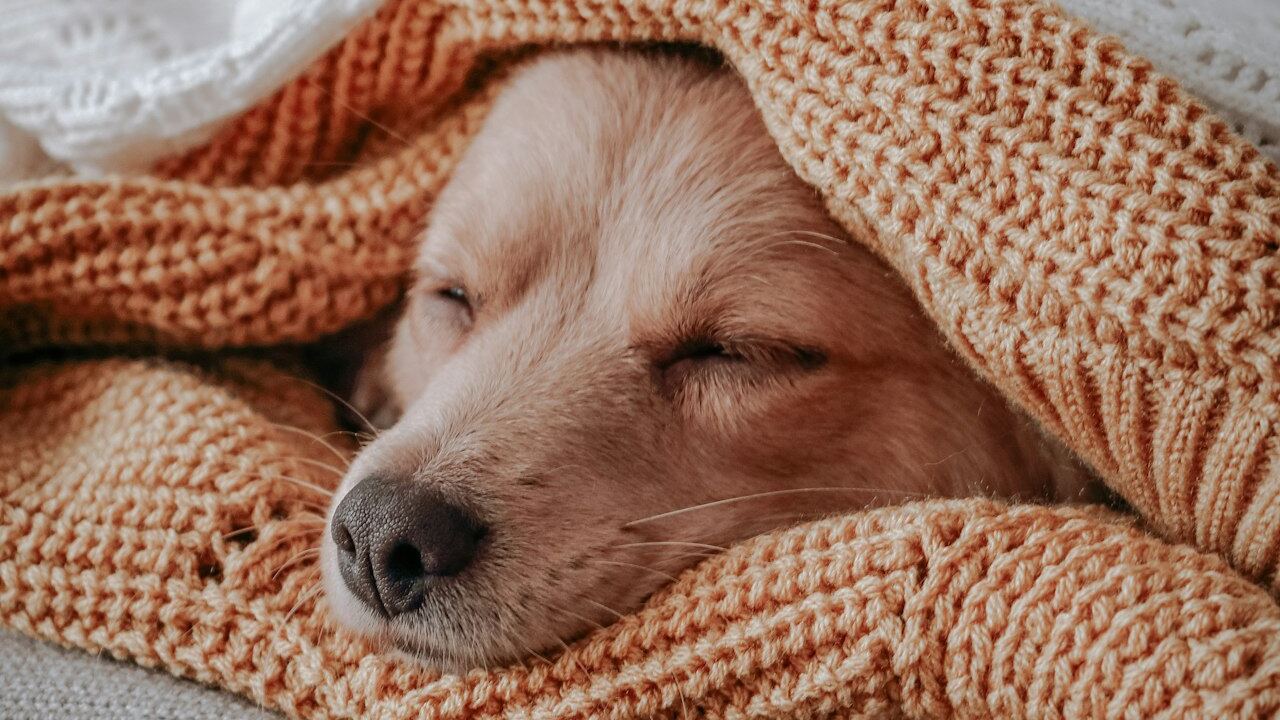
A sick pet needs rest and space, and some illnesses call for temporary separation. This guide explains how to set up a quiet recovery spot, how to explain it to children of different ages, and when normal contact can resume according to your veterinarian. General guidance only; the vet's advice controls isolation timing.
Give the pet a quiet recovery spot
A separate room or quiet retreat lets the animal rest away from toddler noise and handling. The setup protects both the recovering animal and the children.
- Set up food, fresh water, bedding, and a litter box (for cats) in the recovery spot.
- Keep the area dim, calm, and free from constant door traffic.
- Remove toys or activities that overstimulate the recovering pet.
- Make sure the pet can retreat there voluntarily and is not trapped under stress.
Follow veterinary guidance on isolation
Whether separation is needed, and for how long, depends on the condition. The vet advises on isolation, hygiene, and when normal contact can resume.
- Ask the vet whether the illness can pass to people or other pets, and what precautions apply.
- Write down the isolation period and the check-up date the vet sets.
- Follow any instructions on handwashing, cleaning surfaces, or separate bedding.
- Do not end separation early because the pet seems to be feeling better.
Explain recovery to children by age
Kids can understand that the pet is resting and needs space, but the explanation matches their age and ability to wait.
- Toddlers: keep the message simple — the pet is sick, needs a quiet bed, and visits are short.
- Preschoolers: explain that the pet is resting to get better, and that gentle hands are still required.
- School-age children: tell them why separation matters and what symptoms to watch for before contact resumes.
- Keep visits supervised and brief; do not allow hugs, rough play, or carrying the recovering pet.
Hygiene and household precautions
Some illnesses spread through contact, bedding, or waste. Basic household hygiene lowers the path from pet to people while the pet recovers.
- Wash hands after feeding, cleaning, or visiting the recovering pet.
- Keep the pet's food bowl, water, and bedding separate from other animals.
- Clean waste promptly and keep the recovery area away from the baby's play and sleep space.
- Use separate towels or cloths for the sick pet's bedding if advised.
Common mistakes to avoid
Separation works best when it is calm and consistent, not framed as a punishment.
- Do not keep the pet in a busy area where it cannot rest.
- Do not let children crowd the recovery spot for comfort visits.
- Do not use separation as a consequence for the pet's behavior.
- Do not return to normal contact before the vet says it is safe.
Watch everyone's wellbeing
Recovery is a two-way check: the pet heals, and no one else picks up an illness. If a child shows symptoms after exposure, contact a pediatrician.
- Notice appetite, energy, coat, and elimination in the recovering pet each day.
- Watch children for any rash, stomach upset, or unusual symptoms after contact.
- Reintroduce contact gradually once the vet clears the pet.
- Keep the pet's one-on-one care calm and quiet during recovery.
Frequently asked questions
How long should a sick pet be kept away from kids?
It depends on the condition. Your veterinarian sets the isolation period based on the illness. Follow that timeline rather than ending separation early because the pet looks better.
Can my kid visit the recovering pet?
Short, supervised visits are usually okay once the vet allows contact, but no hugs, carrying, or rough play. Keep the visit brief and make sure the child washes hands afterward.
Should the sick pet stay in a crate?
A quiet room or safe retreat is usually best. A crate can be used if the vet recommends it, but the pet needs room to rest, turn around, and access food and water comfortably.
What symptoms in a child should prompt a pediatrician visit?
Contact a pediatrician for rash, stomach upset, fever, eye or skin irritation, or any breathing symptoms after contact with the ill pet. Do not assume it is unrelated.
When can the pet sleep with the family again?
Wait until the vet confirms the pet has recovered and any contagious period has passed. Reintroduce contact and shared sleeping space gradually after that clearance.
Where this guidance comes from. We are a general parenting-and-pets editorial team, not a veterinary or pediatric practice. We cross-check our guides against public guidance from the CDC Healthy Pets, Healthy People. These are starting points for your own reading, not a diagnosis for your family or pet.
Not professional advice. This guide covers general household and safety information. For your child's health or your pet's behavior and medical care, contact your pediatrician or veterinarian directly. Do not rely on a website for urgent decisions.