Where to Place Your Pet's Water Bowl at Home
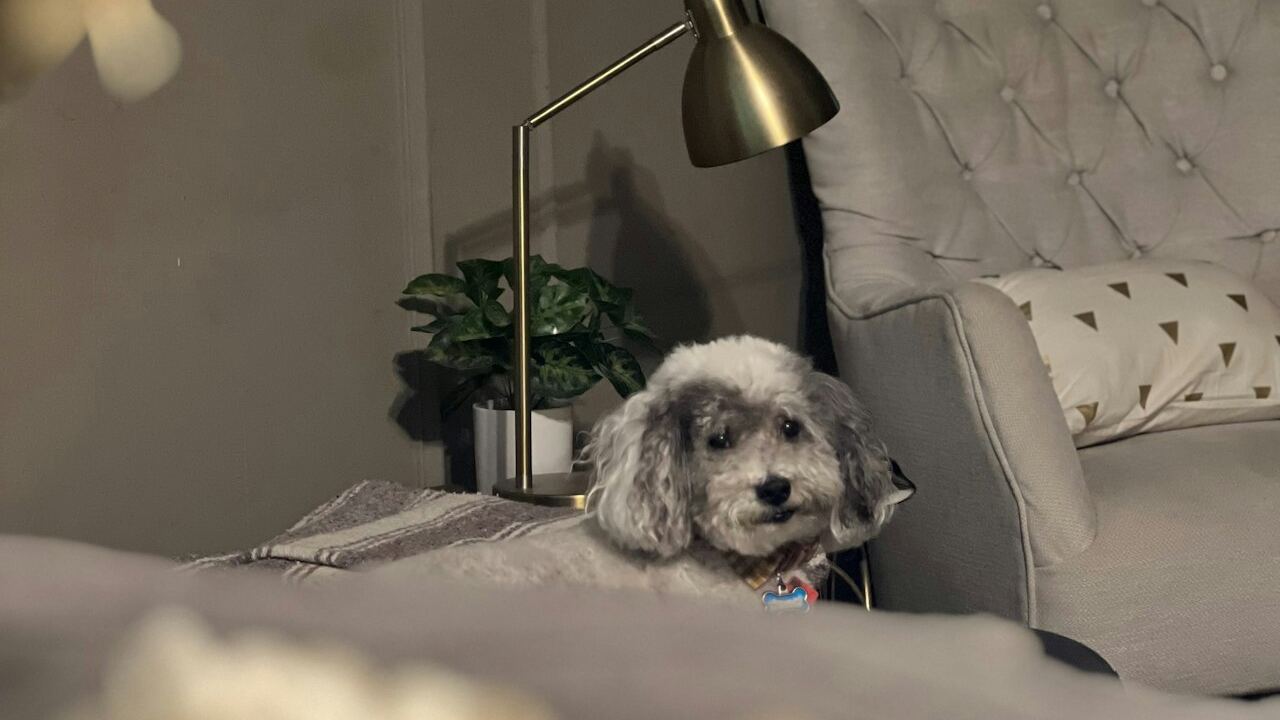
A stable water bowl in a quiet, easy-to-reach spot keeps the pet hydrated and out of the children's play path. Placement away from meals, high chairs, and litter reduces spills and crowding. This guide covers bowl location and daily setup. It is general home guidance.
Choose a quiet, stable spot
The water bowl belongs in a low-traffic corner or pet zone, away from running, toy tossing, and high chairs. A stable base prevents tipping.
- Place the bowl on a washable mat to catch spills.
- Keep it away from doorways and busy kitchen paths.
- Choose a spot the dog or cat can reach without crossing play.
- Use a heavy or anchored bowl to resist pushing.
Separate from food and litter
Water sits apart from the feeding bowl and litter box, matching how animals prefer to drink away from meals and waste. Separation keeps the station calm.
- Keep water a short distance from the food bowl.
- Place it away from the litter box and scooping area.
- Do not set the bowl under a busy chair or table.
- Give the pet a clear approach to drink.
Keep it clean and accessible
Fresh water is checked and refilled daily, and the bowl washed regularly. A clean bowl encourages the pet to drink and prevents slimy buildup.
- Refresh water every day; top up during warm weather.
- Wash the bowl with mild soap and rinse well.
- Check for fur, food, or debris in the water.
- Keep the bowl level and full enough to reach.
Keep children out of the bowl
Water bowls should not become a toddler's play or splash spot. Rules keep the bowl reserved for the pet and reduce wet spills on floors.
- Place the bowl outside the toddler's main play area.
- Do not let children pour or play in the pet's water.
- Set the mat away from climbable furniture.
- Supervise any approach near the feeding station.
Age and species fit
Dogs often share a water station; cats prefer quieter, less crowded drinking spots. Both need access outside the child's high-traffic play.
- Dogs: place a heavy bowl in the pet's retreat or side corner.
- Cats: offer a quiet bowl away from noise and running kids.
- Toddlers (1–3): keep the bowl gated or out of play reach.
- Preschoolers (3–6): learn that the water bowl is the pet's.
Common mistakes to avoid
Bowl placement fails when the water sits in the busiest room or near a high chair. A quiet, stable, separate spot keeps hydration and clean floors.
- Wrong: Putting the bowl by the high chair for easy reach. Right: move it to a quiet pet corner.
- Wrong: Leaving water and litter in the same tight spot. Right: space the station elements apart.
- Wrong: A light bowl that slides on the floor. Right: use a heavy base and mat.
- Wrong: Forgetting to refresh water. Right: check and refill daily, wash the bowl regularly.
Frequently asked questions
Where is the best place for a pet's water bowl?
A quiet, stable corner in the pet zone, away from running, high chairs, and the litter box, on a washable mat. Keep it fresh and accessible every day.
Should the water bowl be next to the food bowl?
A short distance apart works best; many animals prefer drinking away from meals. Keep both separate from the litter box and busy play paths.
How do I stop my toddler from playing in the pet's water?
Move the bowl outside the main play area, use a heavy bowl on a mat, and supervise near the feeding station. Keep the water reserved for the pet.
How often should I wash the pet's bowl?
Refresh water daily, wash the bowl regularly with mild soap and rinse well. Check for fur or debris, and keep the bowl full enough to reach.
Can a cat and dog share one water bowl?
They can share in many homes, but keep the bowl clean and accessible, and place it away from crowding. Watch stress signals around the station.
Where this guidance comes from. We are a general parenting-and-pets editorial team, not a veterinary or pediatric practice. We cross-check our guides against public guidance from the CDC Healthy Pets, Healthy People. These are starting points for your own reading, not a diagnosis for your family or pet.
Not professional advice. This guide covers general household and safety information. For your child's health or your pet's behavior and medical care, contact your pediatrician or veterinarian directly. Do not rely on a website for urgent decisions.