Setting Up a Crate or Den That Kids Cannot Enter
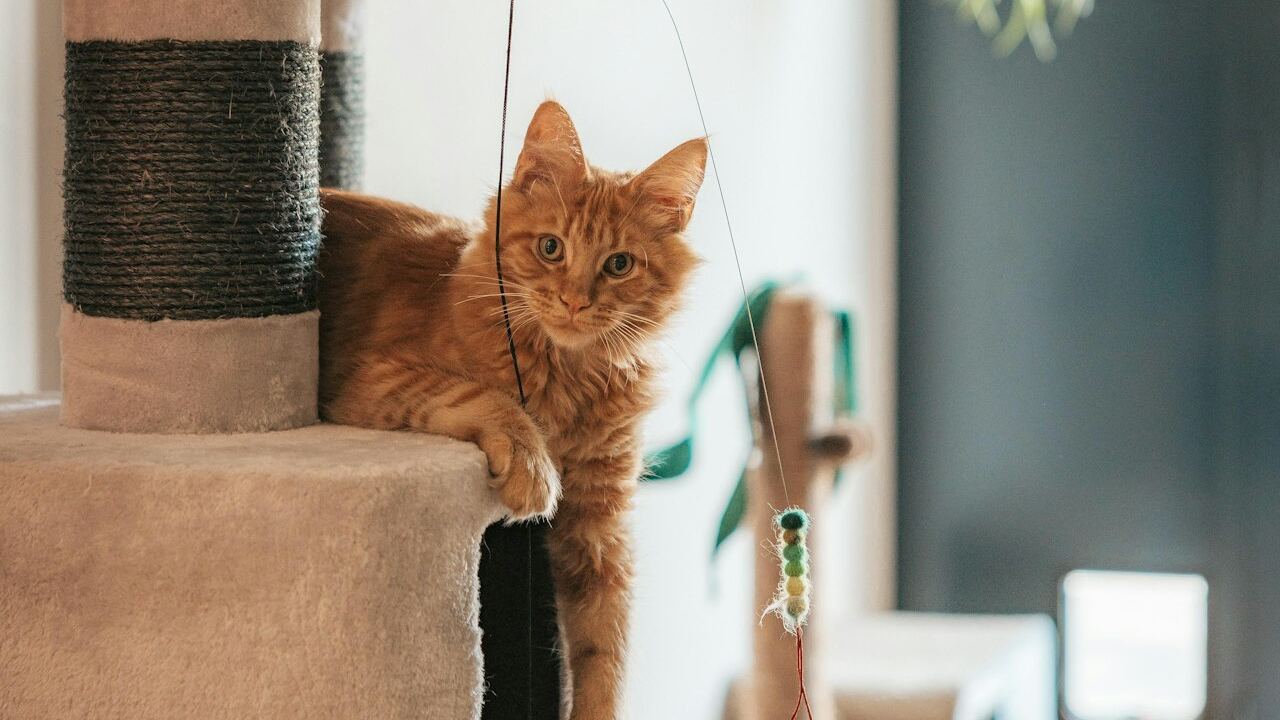
A crate or den gives the pet a protected retreat, but it must stay off-limits to children so the animal can rest undisturbed. Secure placement, clear boundaries, and kept-access rules keep the den safe for both sides. This guide covers crate setup and habits. It is general home guidance.
The crate as a safe retreat
The crate is a calm den for the dog to rest, retreat, and settle, not a punishment space. Children stay out, and the pet chooses to enter on its own terms.
- Place the crate in a quiet corner away from running and noise.
- Keep bedding and water accessible inside or nearby.
- Do not reach inside or disturb a pet resting in the crate.
- Let the pet leave the crate without being followed.
Keep kids out of the den
Children should not open the crate, reach in, or climb on it. A gate or boundary around the crate signals that the space belongs to the pet.
- Keep the crate door closed and latched except guided access.
- Set a gate or clear boundary around the resting spot.
- Do not let toddlers shake, climb, or hang on the crate.
- Supervise any approach near the den during busy play.
Crate size and setup
The crate should fit the animal comfortably to stand, turn, and lie down. Too large invites messy use; too small stresses the pet. Bedding and chew are kept inside.
- Pick a size where the dog can stand and turn around.
- Use a washable bed or blanket for comfort.
- Provide a safe chew for quiet crate time.
- Place the crate where it is visible but not crowded.
Crate time and routine
Crate stays are short and paired with routine, meals, and rest. Long or forced confinement raises stress and should be guided by a trainer or vet.
- Introduce the crate gradually with treats and calm entry.
- Keep crate sessions reasonable before supervised freedom.
- Maintain walks, meals, and rest outside the den too.
- Check for whining, pacing, or signs the crate time is too long.
Age and species fit
Dogs use crates as dens; cats prefer covered beds or high perches. Both need a retreat children cannot freely enter, and the setup respects the animal's comfort.
- Dogs: size the crate to the breed and stage; protect it from toddler access.
- Cats: offer a covered bed or perch as the den, away from grabbing hands.
- Toddlers (1–3): gated crate zone, adult watch for any approach.
- Puppies and seniors: keep crate rest calm and check tolerance.
Common mistakes to avoid
Den use fails when the crate becomes a punishment space, or children climb on it. A calm, protected, closed retreat keeps the pet settled.
- Wrong: Putting the dog in the crate as a scolding. Right: use the den as a voluntary rest spot.
- Wrong: Letting the toddler reach into the crate. Right: keep the door latched and boundary clear.
- Wrong: Leaving the pet crated for long stretches. Right: keep sessions reasonable and get guidance if needed.
- Wrong: Placing the crate in the busiest playroom. Right: choose a quiet corner.
Frequently asked questions
Where should I put my dog's crate around kids?
In a quiet corner away from running and noise, with a boundary or gate the child cannot cross. Keep bedding and water nearby and let the pet rest undisturbed.
Can my toddler look in the dog's crate?
No. Keep the crate door latched and the den off-limits. Do not reach inside or disturb a resting pet; supervise any approach near the crate.
What size crate does my dog need?
Big enough to stand, turn, and lie down comfortably. Match it to breed and stage, and use washable bedding and a safe chew inside.
How long should a dog stay in a crate?
Keep sessions reasonable and paired with routine, meals, and rest outside. Persistent whining or pacing means the setup needs a trainer or vet review.
Do cats use a crate the same way?
Cats more often use a covered bed or high perch as a den. Offer a quiet retreat children cannot enter, and respect the cat's choice to rest.
Where this guidance comes from. We are a general parenting-and-pets editorial team, not a veterinary or pediatric practice. We cross-check our guides against public guidance from the CDC Healthy Pets, Healthy People. These are starting points for your own reading, not a diagnosis for your family or pet.
Not professional advice. This guide covers general household and safety information. For your child's health or your pet's behavior and medical care, contact your pediatrician or veterinarian directly. Do not rely on a website for urgent decisions.