Setting Up a Pet Grooming Station at Home
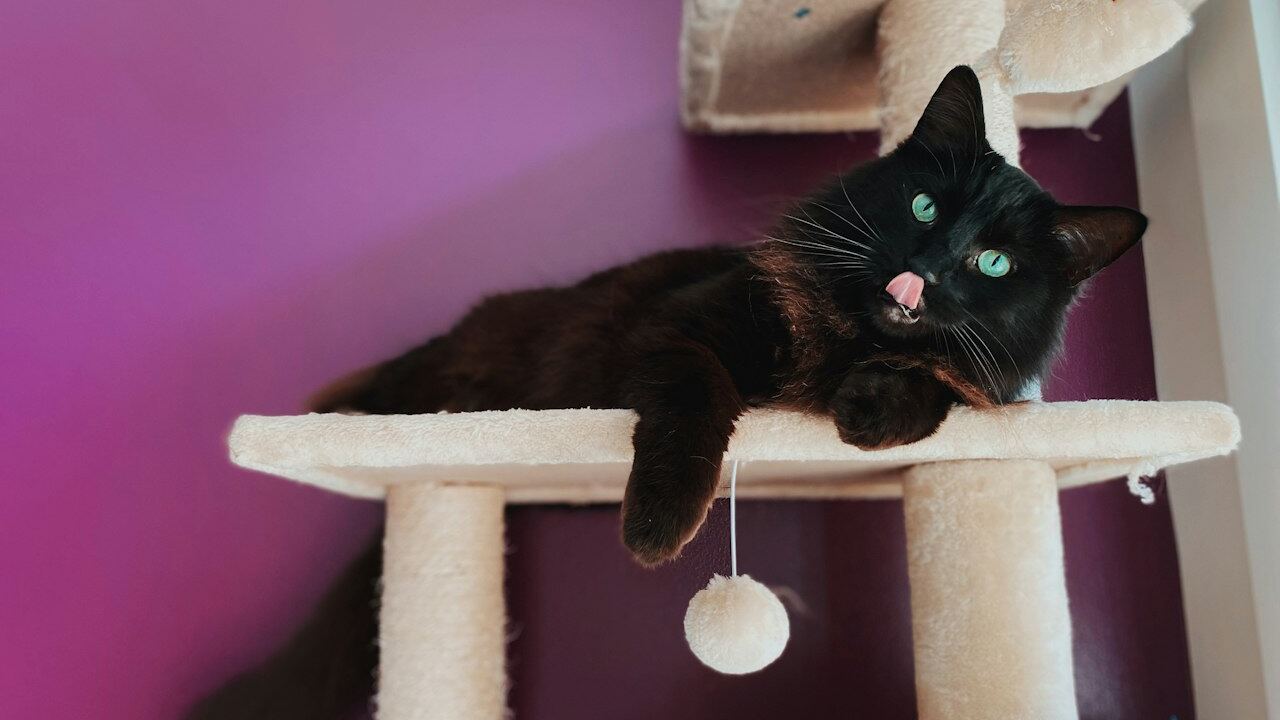
A dedicated grooming spot keeps brushing, nail care, and baths contained, with supplies stored out of children's reach. A simple station makes regular care easier and keeps grooming tools away from kids. This guide covers setup and routine. It is general home guidance.
Choose a grooming spot
Pick an easy-to-clean area with running water or a washable surface: a bathroom, laundry corner, or mat near a sink. Keep it away from the child's main play zone.
- Use a bathroom or laundry area with tile or washable floor.
- Place a non-slip mat under the grooming space.
- Keep the station away from high chairs and play rugs.
- Ensure the pet can be held or kept calm during care.
Store grooming supplies safely
Brushes, clippers, shampoos, nail tools, and sprays belong in a closed drawer or cabinet, out of toddlers' reach and separate from children's bath items.
- Store brushes and combs in a closed bin or drawer.
- Keep shampoos and sprays in a locked or high cupboard.
- Place nail clippers and scissors beyond child reach.
- Keep supplies separate from human toiletries and toys.
Routine grooming tasks
Regular brushing cuts loose hair around the home; nail and coat care follow a set schedule. Tasks are kept calm and short, with the pet able to settle between sessions.
- Brush the coat on a regular cycle to reduce shedding.
- Check nails, ears, and fur between full grooming sessions.
- Bathe with pet-safe products and rinse well.
- Reward calm behavior so grooming stays tolerable.
Keep kids out of the station
Grooming tools and wet surfaces are not child play. Supervise near the station and keep the area closed during grooming and cleanup.
- Do not let toddlers handle clippers, brushes, or shampoo.
- Keep the grooming door or gate closed during sessions.
- Clear tools off the floor after care.
- Store supplies before letting the child near the area.
Age and species fit
Dogs and cats have different coat and grooming needs, but the stored-supply and separation rules match both. Puppies and seniors need gentle, short sessions.
- Dogs: choose brushes for coat type; keep nail care calm and steady.
- Cats: offer short brushing sessions and a perch to settle on.
- Toddlers (1–3): all tools locked out of arm's reach.
- Puppies, kittens, and seniors: keep grooming brief and comfortable.
Common mistakes to avoid
Station setup fails when tools stay on the floor, or grooming happens in the playroom. A clean, closed, stored setup keeps care safe.
- Wrong: Leaving clippers on the bathroom counter. Right: store in a closed drawer out of reach.
- Wrong: Grooming the dog on the play rug. Right: use a washable station away from kids.
- Wrong: Mixing pet shampoo with the child's bath bottles. Right: keep supplies separate.
- Wrong: Forcing a long grooming session on a stressed pet. Right: keep it short and seek guidance if needed.
Frequently asked questions
Where should I groom my pet at home?
In a bathroom, laundry corner, or washable mat area away from the child's play zone, with a non-slip surface and supplies stored closed.
Where do I keep pet grooming tools around a toddler?
In a closed drawer or high cupboard, out of reach and separate from children's items. Clear tools off the floor after each grooming session.
How often should I brush my pet?
On a regular cycle matched to coat type; brushing reduces loose hair around the home. Check nails, ears, and fur between full grooming sessions.
Can my child watch pet grooming?
An older child may observe under supervision, but no toddler handles tools or products. Keep the station closed during care and cleanup.
What if my pet gets stressed during grooming?
Keep sessions short and calm, and stop at stress signs. Persistent fear, resistance, or skin issues should be checked by a vet or groomer.
Where this guidance comes from. We are a general parenting-and-pets editorial team, not a veterinary or pediatric practice. We cross-check our guides against public guidance from the CDC Healthy Pets, Healthy People. These are starting points for your own reading, not a diagnosis for your family or pet.
Not professional advice. This guide covers general household and safety information. For your child's health or your pet's behavior and medical care, contact your pediatrician or veterinarian directly. Do not rely on a website for urgent decisions.